
Beyond the Gap: What Your Core Is Really Telling You After Pregnancy

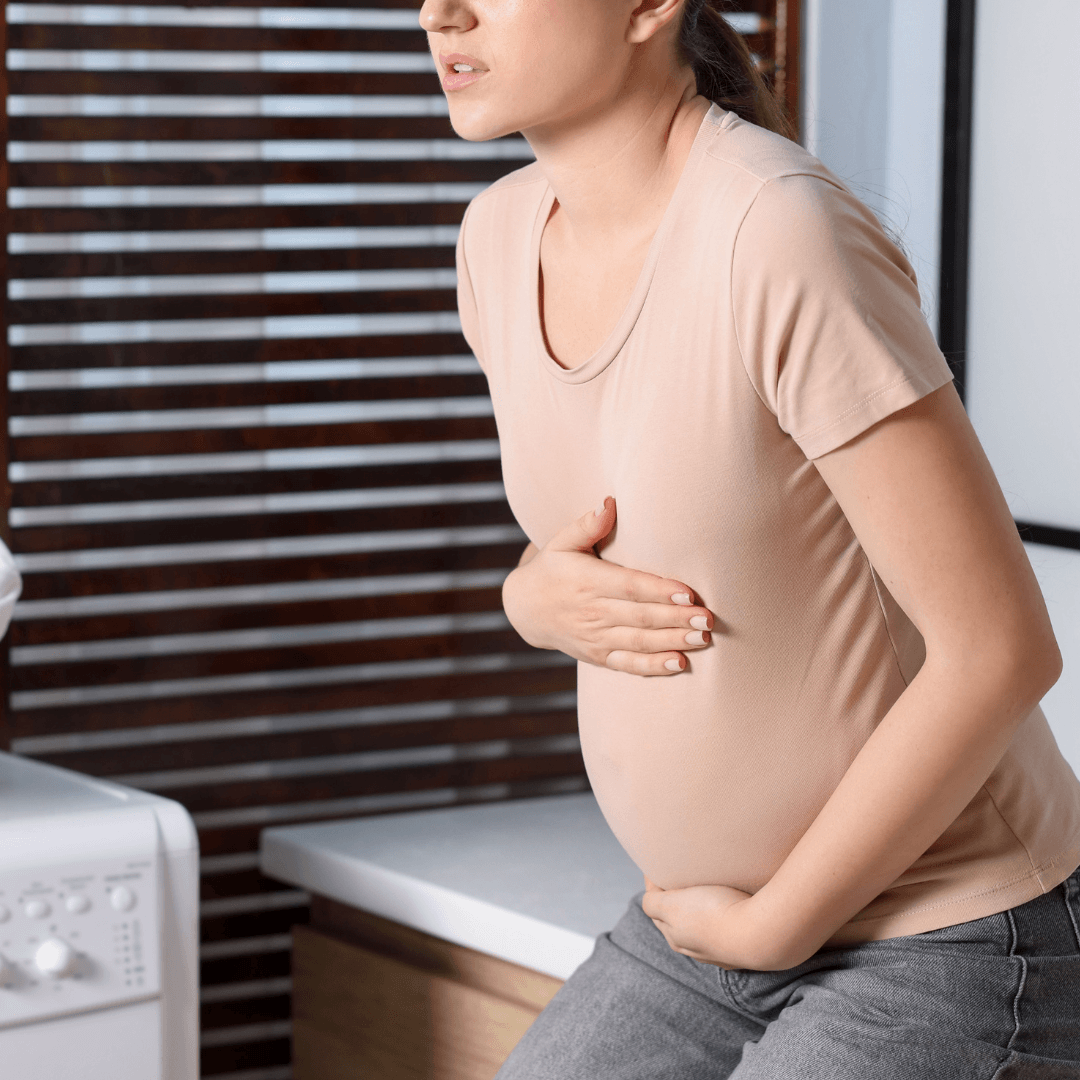
After pregnancy, it is very common to hear conversations around “the gap” in your abdomen and questions about postpartum core recovery. Many mums are told to check how many fingers fit between their muscles and to use that as a marker of recovery.
But your body is far more intelligent than a number.
What truly matters is how your core is functioning in your everyday life, how your body responds to movement, and how well your system works together to support you.
This is where a deeper understanding can change everything.
It is not just about separation
During pregnancy, your abdominal wall stretches to make space for your baby. This includes the connective tissue in the centre of your abdomen, known as the linea alba.
Some degree of separation is completely normal.
What often gets missed is that two mums can have a similar measurement yet experience very different levels of strength, control, and comfort in their bodies.
A smaller gap does not always mean better function, and a wider gap does not automatically mean something is wrong.
What matters more is:
- How strong and responsive the tissue feels
- How your body manages pressure
- How your muscles work together during movement
What your body might be showing you
Your body gives subtle signs that can tell us a lot about how your core is functioning.
You might notice:
- a doming or coning shape through the abdomen during effort
- a dipping or sinking appearance when relaxed
- a feeling of pressure or heaviness
- a lower tummy that protrudes more than the upper abdomen
- difficulty engaging your core without holding your breath
These are not things to fear. They are simply your body communicating that it may need support and retraining.
Why posture and movement matter
Before any hands-on assessment, one of the most important things to observe is how you move and hold your body.
Your posture, your breathing pattern, and even how you walk can give insight into how your core is working.
For example:
- some mums rely heavily on their chest and upper body muscles
- others grip through their glutes or lower back for stability
- some hold tension in their abdomen without real support underneath
These are all ways your body adapts when deeper stabilising muscles are not working efficiently.
Your body is always trying to support you, even if the strategy is not the most helpful long term.
Your core is a system, not a single muscle
Your core is not just your abs.
It is a coordinated system that includes:
- your diaphragm
- your deep abdominal muscles
- your pelvic floor
- your back stabilisers
These parts work together like a canister, responding to movement, breath, and load.
When one part is not functioning well, the others often compensate.
This is why you might notice:
- pelvic floor symptoms like leaking or heaviness
- back discomfort
- difficulty controlling your abdomen during exercise
Everything is connected.
Breathing is more important than you think
One of the most overlooked parts of recovery is breathing.
If your breathing stays high in your chest, your body may struggle to properly engage the deeper support muscles.
Gentle, low breathing that expands through your ribs and abdomen can help:
- reduce unnecessary tension
- improve muscle coordination
- support better core activation
Even a simple pattern like breathing in slowly and breathing out longer can help reset your system and improve how your body responds to movement.
Movement habits matter more than isolated exercises
You can do the “right” exercises for ten minutes a day, but your daily habits will always have the biggest impact.
Think about how often you:
- get up from bed
- lift your baby
- carry bags
- move through your day
If your body is holding breath or pushing pressure into your abdomen during these moments, it may slow your recovery.
Small changes in how you move, breathe, and engage your body can make a significant difference over time.
Exercise should match your current capacity
There is no one-size-fits-all list of exercises to avoid or include.
What matters is how your body responds.
If you notice:
- doming or bulging
- breath holding
- loss of control
it may be a sign to adjust the movement, reduce intensity, or build more foundational strength first.
Progression is still possible, and many mums return to strong, dynamic movement. It just needs to be built in a way that supports your body.
Support is available, even later in your journey
It is important to know that recovery is not limited to the early weeks after birth.
Many mums see improvements months or even years later when they begin to understand their body better and receive the right guidance.
With the right approach, your body can:
- regain strength
- improve coordination
- feel more supported in everyday life
When to seek extra support
If you are unsure about what your body is doing or feeling, reaching out to a women’s health physiotherapist can provide clarity and direction.
They can help assess:
- how your muscles are functioning
- how your body manages pressure
- what type of support or exercises may suit you
You do not have to figure this out on your own. Your body has done something incredible.
Recovery is not about rushing back or meeting a certain standard. It is about understanding what your body needs now and supporting it in a way that feels sustainable.
There is space for progress, strength, and confidence again, one step at a time.
If you’re noticing changes in your core, your strength or the way your body moves after pregnancy and you want guidance that looks beyond just the gap, you don’t have to figure this out alone.
Find a MumSafe™ Trainer near you or online and train with someone educated in women’s health, core function and safe, progressive movement. Sessions are designed to support your strength, your recovery and your real life as a mum. Click here to find a MumSafe™ Trainer near you or online.
Are you a trainer who wants to confidently support women?
If you’re a fitness professional ready to deepen your understanding of women’s health, hormonal changes and safe programming across life stages, MumSafe™ provides education, mentorship and community.
Learn how to confidently support mums through pregnancy, postpartum, perimenopause and beyond.
👉 Express your interest in joining the MumSafe™ team. Check this link here.
Mum-focused author, educator and business owner, Jen Dugard is on a mission to ensure every woman is safely and effectively looked after when she becomes a mother. She is a highly qualified trainer and fitness professional educator and has been specialising in working with mums for over a decade. MumSafe is the go-to place online for women to find mum-focused fitness services that are all accredited, experienced and partnered with women’s health physios so you know you are in very safe hands.