
Why Active Women Need More Food Than They Thinks

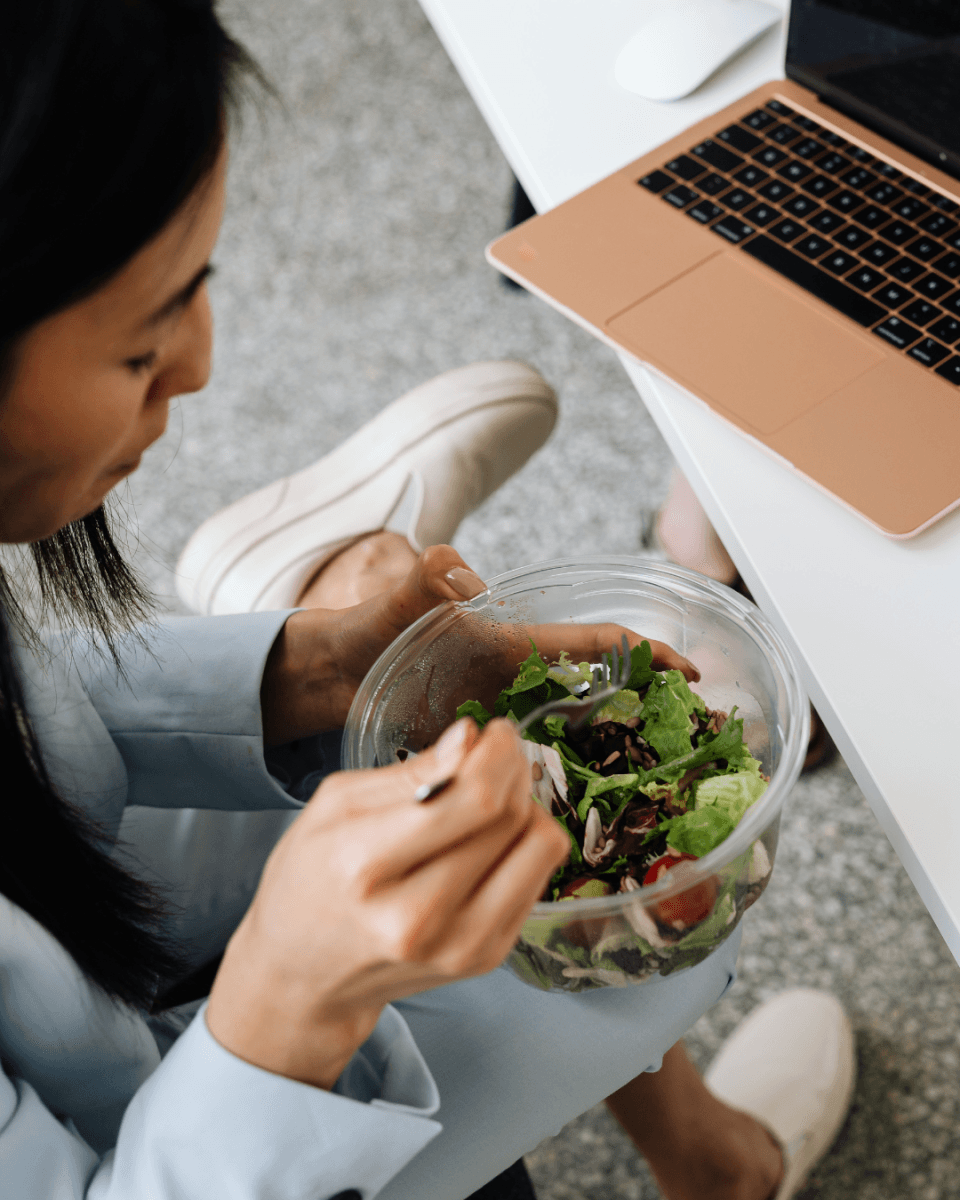
You start exercising because you want to feel better.
Maybe you want more energy to keep up with the kids. Maybe you want to feel stronger carrying groceries, lifting a toddler or getting through a busy day without feeling completely drained by mid-afternoon.
You commit to moving your body more. You start attending classes, walking regularly or getting back into strength training.
Then something unexpected happens.
Instead of feeling energised, you feel exhausted.
You wake up tired. Your recovery feels slower than it used to. You’re relying on caffeine to get through the day. You drag yourself through workouts that once felt enjoyable. Maybe your sleep has become patchy. Maybe your period has become irregular.
It can be confusing because you’re doing all the things that are supposed to help your health.
For many women, the missing piece isn’t more exercise.
It’s enough fuel to support the life they’re already living.
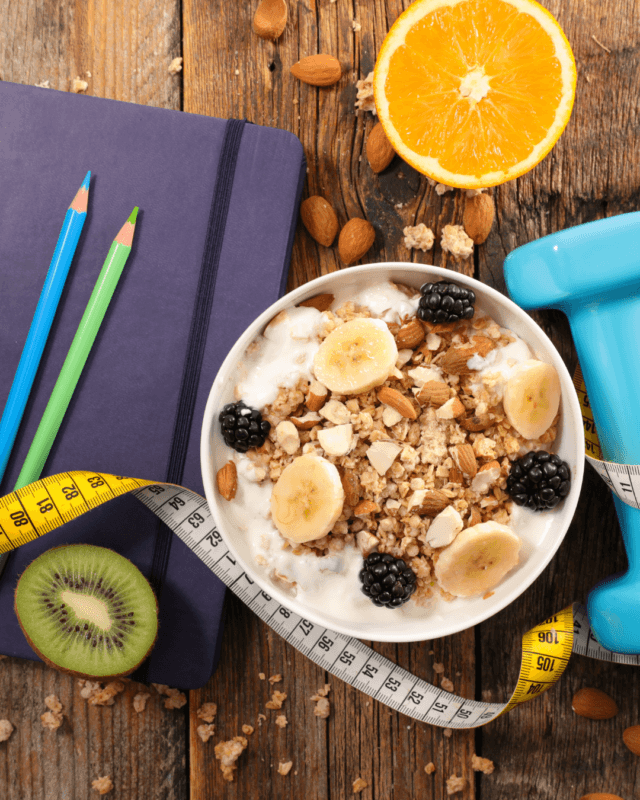
The Demands On Your Body Go Far Beyond Exercise
When we think about exercise, it’s easy to focus on the workout itself.
A 45-minute gym session, a morning run, a fitness class squeezed in between work and family commitments.
Your body sees much more than that. It sees the interrupted sleep from a child climbing into your bed at 2am.
It sees the mental load of remembering school excursions, grocery lists, appointments and birthdays. It sees the stress of work deadlines, family responsibilities and everything else that fills your calendar. Exercise is only one part of the equation. Your body is responding to the total demand being placed upon it every day. That demand requires energy.
How Women Accidentally End Up Under-Fuelled
Most women experiencing low energy availability aren’t intentionally trying to under-eat.
Life simply gets in the way. Breakfast becomes a coffee because the morning is chaotic. Lunch happens late because you’ve been running from one thing to the next. Dinner is interrupted three times before you finish it.
Some women exercise first thing in the morning without eating beforehand. Others finish a workout and rush straight into the school run, work meetings or family responsibilities without stopping to refuel.
None of these moments feel particularly significant on their own. Over weeks and months, they can start to add up. The result is a body that is consistently trying to do more with less.
Your Body Notices When Energy Is Running Low
The human body is remarkably clever.
It is constantly gathering information about what’s happening around it.
How much sleep are you getting?
How much stress are you carrying?
How much movement are you doing?
How much energy is coming in through food?
When the body senses that resources are stretched, it starts making adjustments. It becomes more cautious about where energy is allocated. Recovery may become slower. Sleep may become disrupted. Training can begin to feel harder. For some women, menstrual cycles begin to change.
Why Carbohydrates Matter More Than Many Women Realise
Carbohydrates have developed a bit of a reputation over the years.
Depending on which diet trend is popular at the time, they’re often the first thing women feel pressured to reduce.
For active women, carbohydrates play an important role in supporting energy levels and recovery.
They’re one of the body’s preferred sources of fuel for exercise, daily movement and many of the processes that happen behind the scenes.
When carbohydrate intake becomes very low, particularly alongside regular exercise, the body may start receiving signals that energy is scarce.
This doesn’t mean every woman needs large amounts of carbohydrates.
It does mean that regularly active women often need more fuel than social media trends would have us believe.
The Fitness Industry Hasn’t Always Helped
For years, women have been encouraged to chase smaller bodies while simultaneously exercising more.
Eat less, train harder and burn more calories.
Many women have absorbed these messages without even realising it.
The challenge is that health doesn’t always thrive under those conditions.
A woman can be highly disciplined, highly motivated and doing everything she believes is “right” while still feeling exhausted, struggling to recover and wondering why she doesn’t feel as good as she thought she would.
Sometimes the conversation needs to shift away from what can be removed and towards what might be missing.
Signs You May Not Be Eating Enough For Your Activity Levels
Every woman is different, but there are some common signs that can suggest your body may need more support.
You might notice:
- Persistent fatigue
- Feeling flat during workouts
- Poor recovery between training sessions
- Increased irritability
- Difficulty sleeping
- Frequent illness
- Digestive issues
- Feeling cold more often than usual
- Changes to your menstrual cycle
- Difficulty building strength despite consistent training
Many of these symptoms are easy to dismiss because they’ve become so common.
More Exercise Doesn’t Always Create Better Results
One of the most challenging ideas for active women to embrace is that more exercise isn’t always better.
There are seasons of life when your body has the capacity to train hard and recover well.
There are other seasons when your body is already carrying a significant load before you even step into the gym.
New motherhood, a stressful period at work, caring responsibilities, poor sleep or even major life changes.
During those times, continuing to add more exercise without increasing recovery and nutrition can leave women feeling like they’re running on empty.
Supporting your health sometimes means adjusting expectations and working with your body rather than constantly pushing against it.
What Does Eating Enough For Exercise Actually Look Like?
For many women, it starts with consistency.
Eating regular meals throughout the day, which include carbohydrates, protein and healthy fats.
Avoiding long stretches without food, having something to eat after training, or paying attention to hunger, energy levels and recovery.
It also means recognising that your nutritional needs are unique; what works for a friend, a social media influencer or someone in a completely different season of life may not be appropriate for you.
Your body deserves an approach that reflects your activity levels, your responsibilities and your goals.
Health Creates The Foundation For Everything Else
Most women don’t exercise because they want to spend their days feeling exhausted.
They exercise because they want to feel stronger, healthier and more capable.
That goal deserves support. Food is one of the ways we provide that support.
When active women consistently fuel their bodies well, they often notice improvements in energy, recovery, mood, training performance and overall well-being. Your body is working hard every single day.
Looking after it isn’t about earning food through exercise. It’s about providing the resources it needs to support the life you are asking it to live.
Find Support That Understands Women’s Health
If you’re struggling with energy, recovery, or finding the right balance between exercise and everyday life, a MumSafe™ Trainer can help.
MumSafe™ Trainers are educated in women’s health, pregnancy, postpartum recovery and exercise programming that supports long-term wellbeing.
👉 Click here to find a MumSafe™ Trainer near you or online.
Are You a Trainer Who Wants to Better Support Women?
If you’re a fitness professional ready to deepen your understanding of women’s health and confidently support women through pregnancy, postpartum, perimenopause and beyond, MumSafe™ provides education, mentorship and community.
👉 Express your interest in joining the MumSafe™ team here.
Mum-focused author, educator and business owner, Jen Dugard is on a mission to ensure every woman is safely and effectively looked after when she becomes a mother. She is a highly qualified trainer and fitness professional educator and has been specialising in working with mums for over a decade. MumSafe is the go-to place online for women to find mum-focused fitness services that are all accredited, experienced and partnered with women’s health physios so you know you are in very safe hands.