
What Your Feet Might Be Telling You About Your Pelvic Health

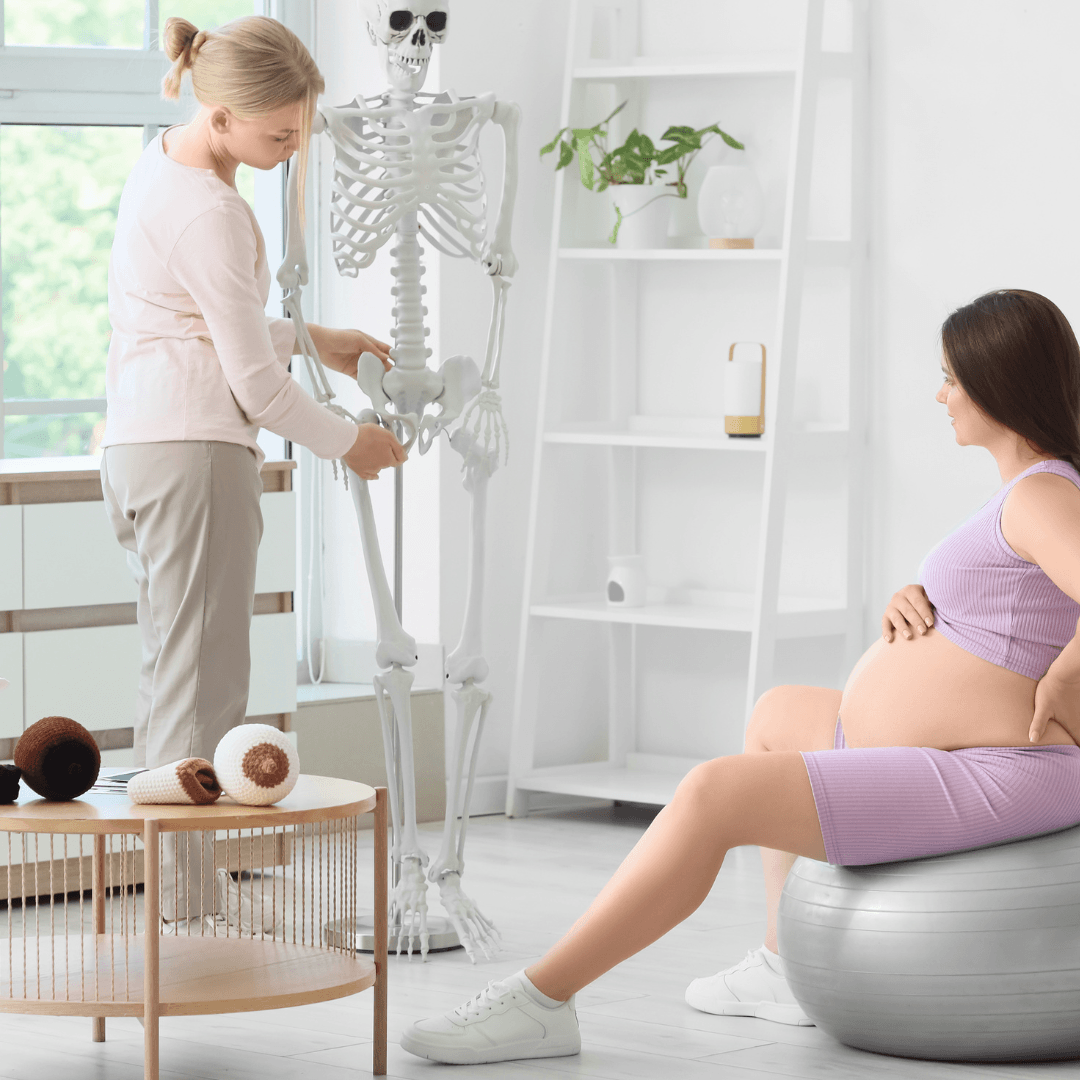
As a MumSafe™ trainer, one of the biggest shifts I often see for mums is moving away from thinking about the body in separate parts and starting to understand how everything works together.
When a mum shares that she is leaking when she runs or feeling a strong sense of urgency or noticing discomfort through her pelvis, it is completely valid to think about the pelvic floor. At the same time, what we often notice in practice is that these experiences are not always coming from one area alone.
Sometimes the body is responding to how it is moving as a whole, and one area that often gets overlooked is the feet.
Why the Feet Matter More Than You Might Expect
This idea did not come from theory first, it came from patterns seen over time.
Women experiencing pelvic concerns often also describe:
- stiffness through the feet
- a history of plantar fasciitis
- long-term use of supportive footwear or orthotics
When these patterns show up again and again, it invites a different kind of question.
What if the way the foot moves and loads is influencing how the rest of the body responds, including the pelvic floor?
How Movement Through the Feet May Influence the Pelvic Floor
Your body is constantly adapting to how you move.
The position of your foot and ankle can influence how muscles higher up in the body respond. When your feet are able to move and absorb load well, your body has more options in how it manages pressure.
When movement through the feet feels restricted or stiff, that load may be managed elsewhere.
In practice, we often see that changes in how the foot is positioned can influence how the pelvic floor responds, including how it activates or relaxes during movement.
This approach supports awareness rather than restriction.
Why Symptoms Are Not Always About Strength
One of the most common beliefs is that pelvic floor symptoms are always linked to weakness.
What we see more often is that it is not always that simple.
Some women experiencing leakage or urgency may actually have pelvic floors that feel tight or overactive rather than weak. In these cases, adding more tension through strengthening alone may not address what the body actually needs.
This is where looking beyond strength becomes important.
Different Experiences, Different Patterns
Not all bladder symptoms feel the same, and they may be influenced by different patterns in the body.
Some mums notice leaking when there is increased pressure, such as during running or jumping. Others describe a strong and sudden urge to go to the toilet that feels difficult to control.
In practice, we sometimes see that small changes in how a woman moves, including how she loads through her feet, can influence how those symptoms feel in the moment.
For example, some women naturally shift onto their toes or adjust their stance when they feel urgency, which may change how the pelvic floor responds at that time.
What We Look For as MumSafe Trainers
When working with mums, we are not just looking at one area.
We are often observing:
- how the feet move and absorb load
- how the body is aligned during movement
- how pressure is managed through the system
- how different areas of the body coordinate together
We also consider your history, including any previous injuries, movement patterns or changes that may have influenced how your body now responds.
Why This Matters for Your Recovery
If the focus stays only on the pelvic floor, it is possible to miss other factors that may be contributing to how your body feels.
For example, if the feet are not moving well or not supporting load effectively, the body may compensate in other areas. Over time, this can influence how pressure is managed through the pelvis.
Supporting your recovery may involve small changes in how your body moves as a whole, rather than focusing on one isolated area.
A More Supportive Way Forward
This does not need to feel complicated or overwhelming.
It is about:
- becoming more aware of how your body moves
- supporting better movement patterns
- progressing exercise in a way that suits your stage of recovery
This kind of approach allows your body to adapt gradually and in a way that feels more sustainable in your day-to-day life as a mum.
If you have been focusing on pelvic floor exercises and still feel like something is missing, it may not mean you are doing anything wrong.
It may simply mean your body is asking for a broader approach and a bit more support in understanding how everything is working together.
If you’re navigating symptoms like leaking, urgency or pelvic discomfort and want guidance that considers your whole body, you don’t have to figure this out alone.
👉 Find your local MumSafe™ Trainer near you or online and train with someone educated in women’s health, pelvic floor safety and movement-based recovery. Sessions are designed to support your strength, your recovery and your real life as a mum. Click here to find a MumSafe™ Trainer near you or online.
Are you a trainer who wants to confidently support women?
If you’re a fitness professional ready to deepen your understanding of women’s health, hormonal changes and safe programming across life stages, MumSafe™ provides education, mentorship and community.
Learn how to confidently support mums through pregnancy, postpartum, perimenopause and beyond.
👉 Express your interest in joining the MumSafe™ team. Check this link here.
Mum-focused author, educator and business owner, Jen Dugard is on a mission to ensure every woman is safely and effectively looked after when she becomes a mother. She is a highly qualified trainer and fitness professional educator and has been specialising in working with mums for over a decade. MumSafe is the go-to place online for women to find mum-focused fitness services that are all accredited, experienced and partnered with women’s health physios so you know you are in very safe hands.