
Hormones After Pregnancy: Understanding Changes That Affect Energy, Mood, and Recovery

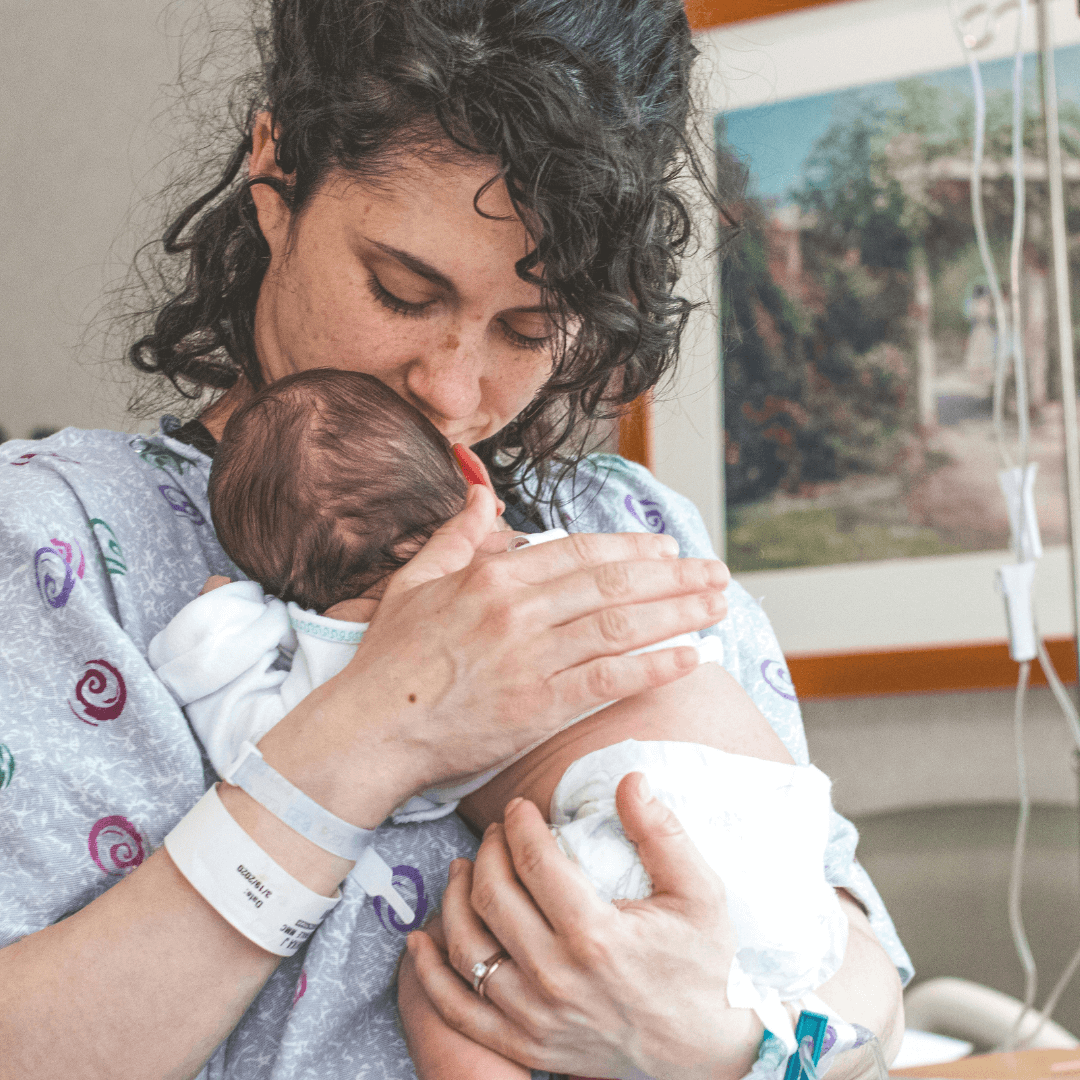
The postnatal period brings significant hormonal shifts that influence how a woman feels physically and emotionally. While these changes are expected, they are often misunderstood or overlooked, leaving many mums unsure whether what they are experiencing is normal or something that needs support.
Understanding how hormones function after pregnancy can help make sense of changes in energy, mood, sleep, and recovery.

Why hormones matter in the postnatal period
Hormones regulate many systems in the body, including metabolism, stress response, mood, and recovery. During pregnancy, hormone levels rise steadily to support the growing baby. After birth, several of these hormones change rapidly.
This transition can affect:
- Energy levels
- Emotional regulation
- Sleep quality
- Muscle recovery
- Weight changes
Hormonal shifts are influenced not only by birth, but also by breastfeeding, sleep disruption, stress, and nutritional status.
Key hormones affected after pregnancy
Several hormones play a particularly important role during the postnatal phase.
Oestrogen and progesterone
After birth, oestrogen and progesterone levels drop sharply. These hormones influence mood, joint stability, and tissue health.
Lower levels may contribute to:
- Mood changes
- Increased joint laxity
- Vaginal dryness
- Changes in temperature regulation
These changes are a normal part of the postnatal transition, especially for breastfeeding mums, though the intensity can vary.
Cortisol
Cortisol is the body’s primary stress hormone. Sleep deprivation, emotional load, and constant caregiving can elevate cortisol levels for extended periods.
Persistently high cortisol may affect:
- Energy and fatigue
- Blood sugar regulation
- Recovery from exercise
- Emotional resilience
Supporting stress regulation and adequate rest plays an important role in postnatal recovery.
Thyroid hormones
Thyroid hormones help regulate metabolism and energy production. Some women experience thyroid changes after pregnancy, including postnatal thyroiditis.
Possible signs of thyroid imbalance include:
- Persistent fatigue
- Sensitivity to temperature
- Changes in weight or appetite
- Brain fog
A simple blood test can help identify whether thyroid support is required.
Insulin
Insulin regulates blood sugar levels. Hormonal changes combined with disrupted sleep and irregular meals may affect insulin sensitivity after pregnancy.
Imbalances may influence:
- Energy crashes
- Cravings
- Difficulty sustaining energy throughout the day
Balanced meals and consistent eating patterns can support blood sugar regulation during this time.
How hormones influence postnatal recovery
Hormonal changes affect how the body responds to movement, training, and recovery. Reduced oestrogen and increased stress hormones may alter tissue healing rates and muscle recovery.
This is why some women notice:
- Slower recovery after exercise
- Increased fatigue with higher intensity training
- Greater sensitivity to stress
Postnatal exercise support benefits from an approach that respects these hormonal realities rather than pushing through symptoms.
Supporting hormonal balance after pregnancy
While hormones naturally shift after birth, lifestyle factors can support steadier regulation.
Helpful strategies may include:
- Prioritising regular meals
- Supporting sleep where possible
- Choosing movement that feels supportive rather than exhausting
- Managing overall stress load
Nutrition, movement, and recovery are closely connected to hormonal health in the postnatal period.
When additional support may be helpful
Hormonal changes can be complex, and persistent symptoms may benefit from professional support.
Referral to a healthcare provider may be appropriate when:
- Fatigue does not improve over time
- Mood changes feel overwhelming
- Recovery feels consistently difficult
- Symptoms interfere with daily functioning
Postnatal care works best when physical, emotional, and hormonal health are considered together.
Hormonal changes are part of the postnatal picture
Hormonal shifts after pregnancy are expected, but they deserve understanding and support. With informed guidance, mums can navigate this phase with greater clarity and confidence.
Recovery is not linear, and support matters during every stage of the postnatal journey.
You Deserve to Feel Supported Through Postnatal Hormonal Changes
Postnatal recovery involves more than time alone.
With the right support, movement and education can help you feel stronger, steadier and more confident as your body adapts.
👉 Find your local MumSafe™ Trainer and feel safe, supported, and confident in your return to exercise. Click here to find a MumSafe™ Trainer near you or online.
Are you a trainer who wants to better support mums through pregnancy, postnatal recovery, and emotional wellbeing?
👉 Learn more about joining the MumSafe™ team. Check this link here.
Mum-focused author, educator and business owner, Jen Dugard is on a mission to ensure every woman is safely and effectively looked after when she becomes a mother. She is a highly qualified trainer and fitness professional educator and has been specialising in working with mums for over a decade. MumSafe is the go-to place online for women to find mum-focused fitness services that are all accredited, experienced and partnered with women’s health physios so you know you are in very safe hands.