
Hypermobility and Exercise for Mums: Supporting Stability and Whole-Body Health

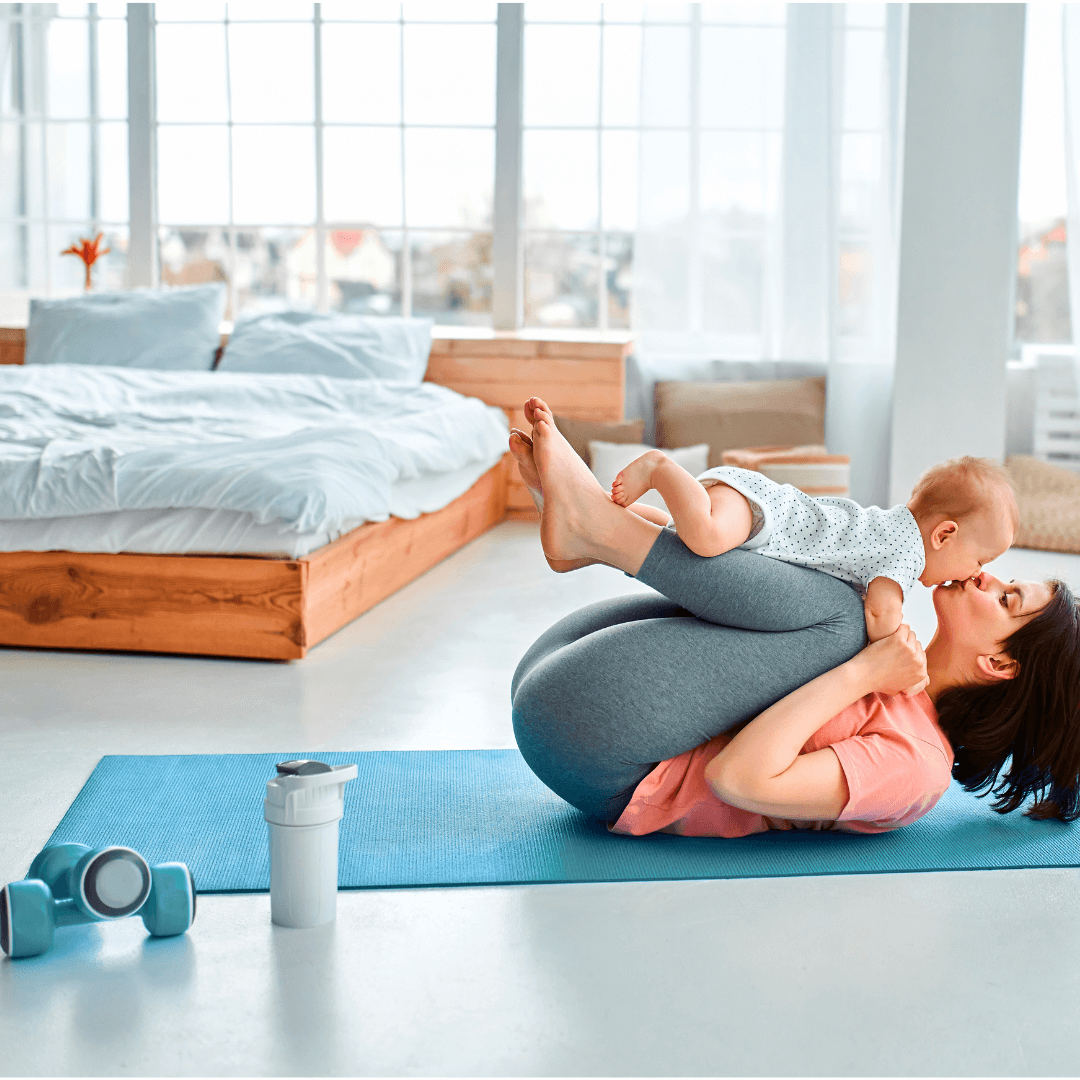
Hypermobility is often thought of simply as being “double-jointed,” but its impact on the body can be far more complex. For some mums, hypermobility is a harmless trait. For others, it’s part of a connective tissue disorder that can affect multiple body systems, influencing not just joint movement, but also digestion, circulation, and overall energy.
Understanding how hypermobility works, and how it interacts with pregnancy, postpartum recovery, and exercise, is key to creating safe, effective movement plans for mums.
What Is Hypermobility?
Hypermobility refers to joints that can move beyond the normal range of motion. This increased flexibility comes from differences in connective tissue, the collagen that provides strength and stability to ligaments, tendons, and fascia.
It can present in different ways:
- Generalised joint hypermobility – affecting multiple joints
- Localised hypermobility – affecting one or two joints
- Hypermobility syndromes – where joint hypermobility is combined with other symptoms such as pain, instability, or systemic effects

How Hypermobility Affects Mums
Pregnancy naturally increases joint laxity due to hormonal changes, especially from relaxin. For women with hypermobility, this can amplify instability and increase the risk of injury or discomfort.
Potential impacts include:
- Joint pain and instability – especially in the hips, knees, and shoulders
- Delayed postpartum recovery – due to slower collagen repair and reduced joint support
- Pelvic floor dysfunction – hypermobile connective tissue may reduce pelvic floor support
- Fatigue – the body works harder to stabilise joints, which can lead to energy drain
Hypermobility and the Body’s Systems
Hypermobility can influence more than just the musculoskeletal system. It may also affect:
- Digestive health – with increased prevalence of reflux, bloating, or IBS-type symptoms
- Circulatory system – contributing to dizziness or faintness from blood pooling
- Nervous system – increasing sensitivity to pain or contributing to fatigue
These systemic effects highlight the need for a whole-person approach, not just a joint-focused one.
Training Considerations for Mums with Hypermobility
Safe, supportive exercise is essential. For hypermobile mums, the focus should be on stability, control, and gradual progression.
Key principles include:
- Prioritise joint stability over end-range flexibility
- Use controlled, slow movements to strengthen supportive muscles
- Incorporate balance and proprioception exercises to improve joint awareness
- Avoid excessive stretching that pushes into hypermobile ranges
- Include breath work and core-pelvic floor connection to protect stability
Everyday Movement Tips
Small daily changes can help protect joints and reduce strain:
- Keep knees slightly soft, not locked, when standing
- Use pillows for support when feeding or sitting for long periods
- Avoid “hanging” on joints in standing or leaning postures
- Break up repetitive tasks with rest or position changes
When to Seek Specialist Support
If hypermobility is causing pain, instability, or symptoms in other body systems, a referral to a women’s health physiotherapist or a GP with knowledge of connective tissue conditions can be valuable. Assessment can help determine if symptoms are part of a hypermobility spectrum disorder or another condition requiring targeted care.
Strong and Supported, Not Stretched
For mums with hypermobility, the goal isn’t to lose flexibility, it’s to gain stability, confidence, and control in movement. With the right approach, you can build strength that supports your joints, protects your pelvic floor, and helps you enjoy the activities you love without fear of injury.
MumSafe™ Trainers are educated in women’s health and postpartum recovery, ensuring your return to movement is safe and personalised.
Click here to find a MumSafe™ Trainer near you or online.
If you’re a trainer ready to support women beyond pregnancy and into every stage of motherhood, express your interest in joining the MumSafe™ check this link here.
Mum-focused author, educator and business owner, Jen Dugard is on a mission to ensure every woman is safely and effectively looked after when she becomes a mother. She is a highly qualified trainer and fitness professional educator and has been specialising in working with mums for over a decade. MumSafe is the go-to place online for women to find mum-focused fitness services that are all accredited, experienced and partnered with women’s health physios so you know you are in very safe hands.