
Missing Periods in Active Women: What Your Body May Be Trying to Tell You

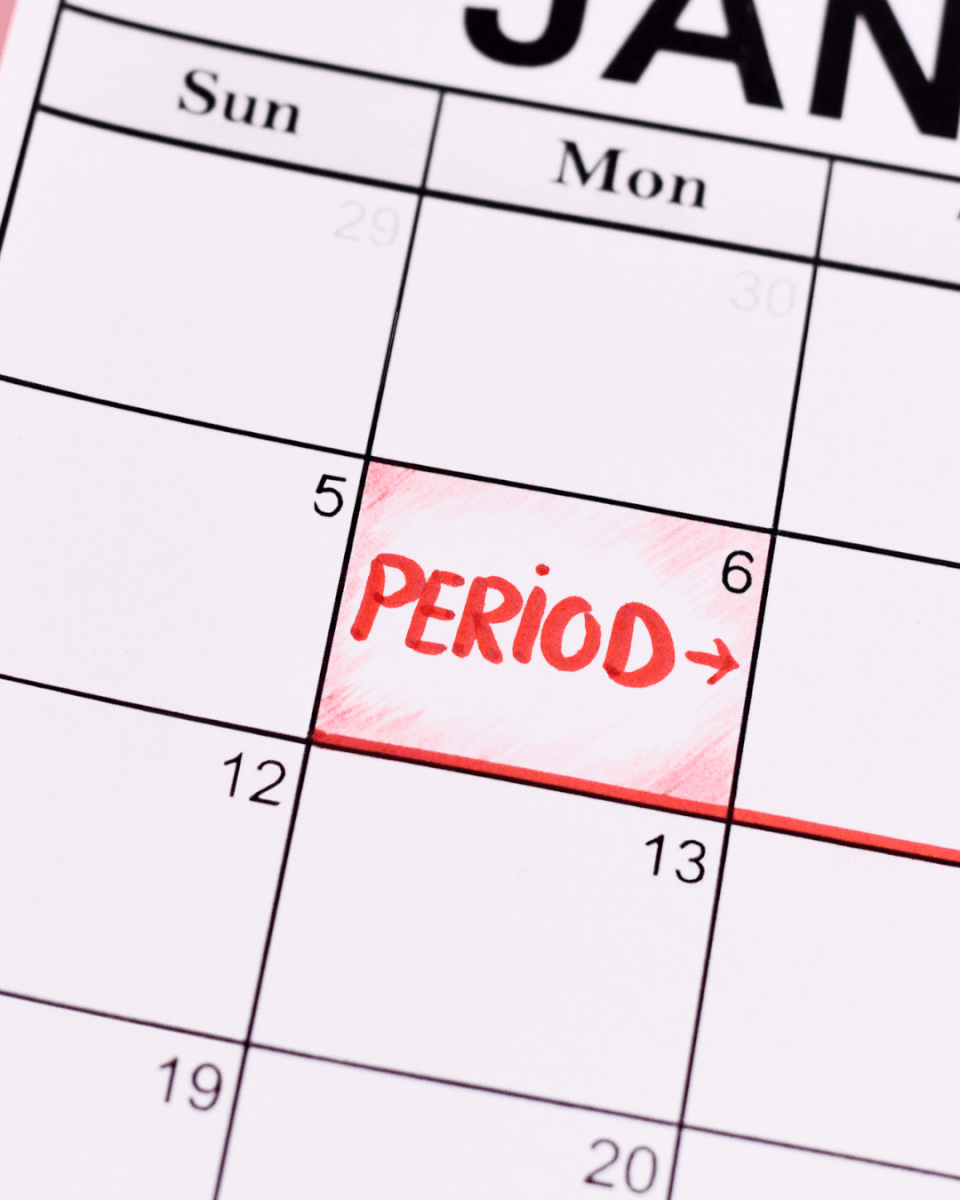
Many women expect changes to their menstrual cycle during pregnancy, after birth, or as they approach menopause. What often comes as a surprise is when periods become irregular or disappear altogether during the years in between.
For active women, particularly those balancing motherhood, work, family responsibilities and exercise, a missing period may be one of the body’s ways of signalling that it needs more support.
It can be easy to dismiss changes in your cycle. Some women feel relieved not to deal with the inconvenience of a monthly period. Others assume that missing periods are simply part of exercising regularly.
The reality is a little more complex.
Your menstrual cycle provides valuable information about your overall health. Changes in your cycle can sometimes offer clues about how your body is coping with stress, recovery, nutrition and daily demands.

Why Your Menstrual Cycle Matters
When we think about periods, fertility is often the first thing that comes to mind. While fertility is certainly important, the menstrual cycle reflects much more than a woman’s ability to become pregnant.
A healthy menstrual cycle involves ongoing communication between the brain, hormones and reproductive system. When everything is working well, it suggests that the body has enough resources to support many of its essential functions.
This is one reason many health professionals refer to the menstrual cycle as a vital sign for women.
Just as blood pressure, heart rate and body temperature can provide information about health, your cycle can offer insight into how your body is functioning behind the scenes.
What Is Low Energy Availability?
One of the most common reasons active women experience changes in their menstrual cycle is something called low energy availability.
This happens when the body does not have enough energy left over to support its normal functions after exercise and daily activities have been accounted for.
This does not always mean someone is deliberately dieting or restricting food.
Low energy availability can develop gradually through a combination of factors such as:
- Increasing exercise without increasing food intake
- Skipping meals due to a busy schedule
- Looking after young children while neglecting personal nutrition
- Chronic stress
- Poor sleep
- Long work hours
- Recovery demands that exceed available energy
Many mums know exactly what this can look like.
You wake up early, get everyone organised, squeeze in a workout, rush out the door, grab a coffee, forget lunch, pick at snacks throughout the day and collapse into bed exhausted.
From the outside it may look like you’re doing everything right. Inside, your body may be working overtime to keep up.
Why Busy Mums Can Be More Vulnerable
Motherhood often brings a unique combination of physical, emotional and mental demands.
Many women spend years caring for everyone around them while placing their own needs at the bottom of the list. Meals become rushed. Sleep becomes fragmented. Stress becomes normalised.
At the same time, there can be pressure to “bounce back” after pregnancy, lose weight, return to exercise or maintain a certain appearance.
When these factors combine, the body may begin conserving energy where it can.
One of the systems that may be affected is the reproductive system.
From the body’s perspective, reproduction requires a significant amount of energy. If resources feel limited, it may prioritise other functions instead.
Understanding Hypothalamic Amenorrhoea
Hypothalamic amenorrhoea, often shortened to HA, occurs when periods stop for three months or longer and the cause is linked to factors such as inadequate energy intake, excessive exercise, psychological stress or a combination of these influences.
The key player is a small area of the brain called the hypothalamus.
The hypothalamus acts as a communication centre, helping regulate many important functions including reproduction.
When the brain senses ongoing stress, insufficient energy or a lack of recovery, it may reduce the hormonal signals required for ovulation.
Without ovulation, periods may become irregular or disappear altogether.
This response is not a sign that the body is malfunctioning.
In many ways, it is a sign that the body is doing exactly what it was designed to do when resources feel stretched.
Signs Your Body May Need More Support
Missing periods are not the only sign that something may be going on.
Many women experience symptoms long before their cycle disappears.
Some common signs include:
- Constant fatigue
- Difficulty recovering from exercise
- Feeling cold more often than usual
- Poor sleep
- Increased irritability
- Reduced exercise performance
- Frequent illness
- Digestive issues
- Irregular periods
- Changes in menstrual flow
- Feeling stuck despite training consistently
These symptoms can be easy to overlook because they often develop gradually.
Many women simply assume that feeling exhausted, overwhelmed or depleted is part of modern life.
Sometimes it is worth stepping back and asking whether your body is getting what it needs to keep up with everything you are asking of it.
Why Missing Periods Should Not Be Ignored
A missing period may seem harmless, especially if pregnancy is not on your radar.
The menstrual cycle influences much more than reproduction.
Long-term disruptions can affect several areas of health including:
Bone Health
Oestrogen plays an important role in maintaining bone strength.
When oestrogen levels remain low for extended periods, bone density may decrease.
This can increase the risk of stress fractures and may contribute to osteoporosis later in life.
Heart Health
Oestrogen also supports cardiovascular health.
Healthy hormone levels help protect the heart and blood vessels throughout a woman’s life.
Exercise Recovery and Performance
Many women continue training hard while struggling with low energy availability.
What they may not realise is that recovery, strength gains and muscle development can all be affected when the body lacks sufficient energy and hormonal support.
Sometimes reducing stress and restoring energy availability can improve long-term training outcomes far more effectively than pushing harder.
What Can You Do If Your Period Has Changed?
If you’ve noticed significant changes in your cycle, the first step is to become curious rather than critical.
Start by looking at the bigger picture.
Consider questions such as:
- Has life been particularly stressful lately?
- Have you increased your exercise volume?
- Are you eating enough throughout the day?
- Have your sleep patterns changed?
- Are you regularly skipping meals?
- Have you been trying to lose weight?
Tracking your cycle can also be helpful.
Patterns often become clearer when you can look back over several months rather than relying on memory.
If your period has been absent for three months or longer, it’s important to seek guidance from an appropriate healthcare professional who can investigate potential causes and provide personalised support.
Supporting Your Body Through Recovery
Recovery looks different for every woman.
For some, it may involve eating more consistently throughout the day.
For others, it may mean reducing exercise intensity, prioritising sleep or finding ways to manage ongoing stress.
Small changes can have a meaningful impact.
This might look like:
- Eating breakfast instead of training on an empty stomach
- Including carbohydrates with meals
- Taking rest days seriously
- Going to bed earlier
- Choosing gentle movement when energy feels low
- Spending time outdoors
- Creating moments of genuine rest during the day
Many women find that the emotional side of recovery is just as important as the physical side.
Letting go of pressure around body shape, weight or exercise performance can be challenging, particularly when those beliefs have been present for years.
Support from qualified professionals can make this process feel far less overwhelming.
A Healthy Body Supports Every Goal
Exercise is one of the most powerful tools we have for supporting physical and mental wellbeing.
At MumSafe™, we believe exercise should help women feel stronger, more capable and more supported in daily life.
That starts with listening to the body’s signals.
A healthy menstrual cycle is one piece of that bigger picture.
If your cycle has changed, it does not automatically mean something is wrong. It may simply be an invitation to slow down, look at the demands on your body and explore what support you might need right now.
Your health is not defined by a number on a scale, a clothing size or how hard you can train.
It’s reflected in how you feel, how you recover, how you move through your day and how well your body is supported to do the many jobs it carries out every single day.
Find Support That Understands Women’s Health
If you’ve noticed changes in your cycle, your energy levels or your recovery and you’d like support from a fitness professional who understands the unique needs of women, MumSafe™ Trainers are here to help.
MumSafe™ Trainers are educated in women’s health, pregnancy, postpartum recovery, pelvic health and exercise programming that supports long-term wellbeing. Click here to find a MumSafe™ Trainer near you or online.
Are You a Trainer Who Wants to Better Support Women?
If you’re a fitness professional who wants to confidently support women through pregnancy, postpartum, perimenopause and beyond, MumSafe™ provides education, mentorship and community to help you grow your skills.
👉 Express your interest in joining the MumSafe™ team. Check this link here.
Mum-focused author, educator and business owner, Jen Dugard is on a mission to ensure every woman is safely and effectively looked after when she becomes a mother. She is a highly qualified trainer and fitness professional educator and has been specialising in working with mums for over a decade. MumSafe is the go-to place online for women to find mum-focused fitness services that are all accredited, experienced and partnered with women’s health physios so you know you are in very safe hands.