
Pelvic Floor and Prolapse Support: What Every Woman Needs to Know Beyond the Basics

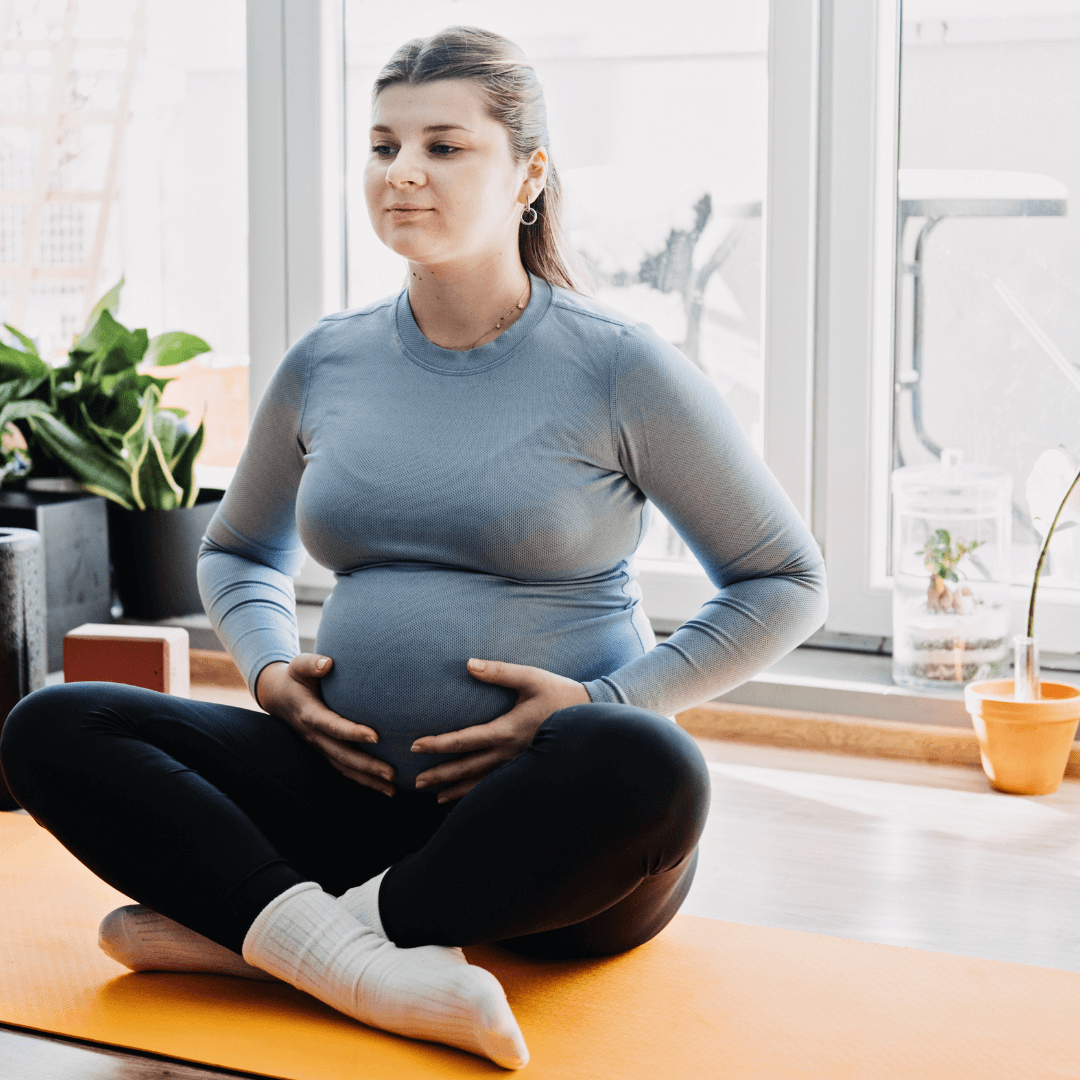
Most women have heard of the pelvic floor. Some have even tried squeezing and lifting exercises. But pelvic floor and prolapse support is about much more than isolated kegels. It involves understanding the whole body, how fascia and pressure interact, and how to build true strength from the inside out.
Whether you are a mum returning to exercise or a trainer supporting clients postnatally, a deeper understanding of the pelvic floor creates more effective, personalised programs.
Why Prolapse and Pelvic Floor Symptoms Are Common, But Not Normal
Prolapse occurs when pelvic organs shift downward, often due to pregnancy, birth, or poor pressure management. While it is common, it is not something women have to “put up with.”
Symptoms to watch for include:
- Heaviness or dragging sensations in the pelvis
- Leaking urine with coughing, sneezing, or lifting
- Bulging at the vaginal opening
- Discomfort with standing or walking for long periods
- Anxiety or fear about returning to movement
Many women do not realise that their symptoms are treatable and that support is available.
Fascia: The Missing Link in Pelvic Floor Recovery
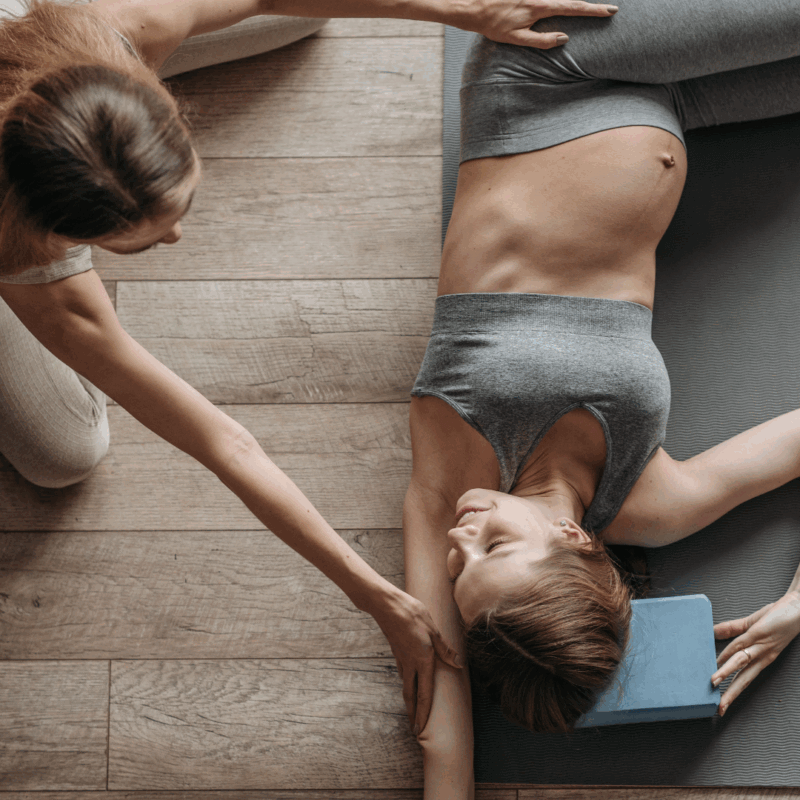
Fascia is the connective tissue that supports the entire body. It surrounds muscles, nerves, and organs, creating a web of tension and support.
If fascia is restricted or scarred, pelvic floor function may be compromised. This includes:
- Abdominal scars from c-sections or surgeries
- Perineal scar tissue from tearing or episiotomies
- Fascial tension from posture or bracing habits
Pressure Management Is Just as Important as Strength
Many women are told to “strengthen their core,” but without understanding pressure, they may be bearing down instead of lifting.
Watch for these signs:
- Bulging in the lower abdomen during exercises
- Holding breath or gripping the ribs
- Straining or pushing during movement
Safe pressure management involves:
- Coordinating breath with movement
- Exhaling on effort
- Avoiding exercises that cause bulging, pain, or leaking
When in doubt, regress the exercise and focus on breath, form, and connection.
Exercise Modifications That Support Healing
Women with prolapse or pelvic floor concerns do not need to avoid exercise. In fact, movement is essential for recovery and confidence. The key is adapting training to meet their current needs.
Suggestions include:
- Prioritising posture and rib cage alignment
- Using elevated surfaces for planks or push-ups
- Starting with functional, low-impact strength training
- Encouraging rest and recovery in between sets
- Avoiding exercises that worsen symptoms or cause fear
Work closely with a Women’s Health Physio to determine individual readiness and pacing.
The Role of Confidence and Emotional Safety
Many women with prolapse feel fear, shame, or disconnection from their bodies. Trainers and coaches play a key role in rebuilding trust.
What helps:
- Validating their experience
- Speaking with clear, reassuring language
- Avoiding phrases like “don’t do that” or “you’ll make it worse”
- Focusing on what they can do and celebrating progress
The goal is not perfection. It is creating a space where women feel strong, safe, and supported to move again.
Pelvic Floor and Prolapse Support Is a Whole-Body Conversation
Supporting pelvic floor and prolapse recovery is about more than one muscle group. It is about how a woman breathes, stands, moves, and feels in her body.
Through informed assessments, collaborative care, and compassionate coaching, we can help women feel confident, capable, and connected again.
Recovering from prolapse, pregnancy, or feeling unsure about your pelvic floor? You are not alone.
MumSafe™ Trainers work in partnership with Women’s Health Physiotherapists to create safe, personalised exercise programs that support your healing and strength.
Want to find a qualified trainer to guide you through pelvic floor recovery and beyond? Click here and search for a trainer close to you or online.
If you are a trainer who wants to specialise in safe, effective movement for women at every stage. Check this link here and express your interest in becoming the go-to pre and postnatal specialist in your local area.
Mum-focused author, educator and business owner, Jen Dugard is on a mission to ensure every woman is safely and effectively looked after when she becomes a mother. She is a highly qualified trainer and fitness professional educator and has been specialising in working with mums for over a decade. MumSafe is the go-to place online for women to find mum-focused fitness services that are all accredited, experienced and partnered with women’s health physios so you know you are in very safe hands.