
Pelvic Girdle Pain During and After Pregnancy: Understanding the Body and Supporting Recovery

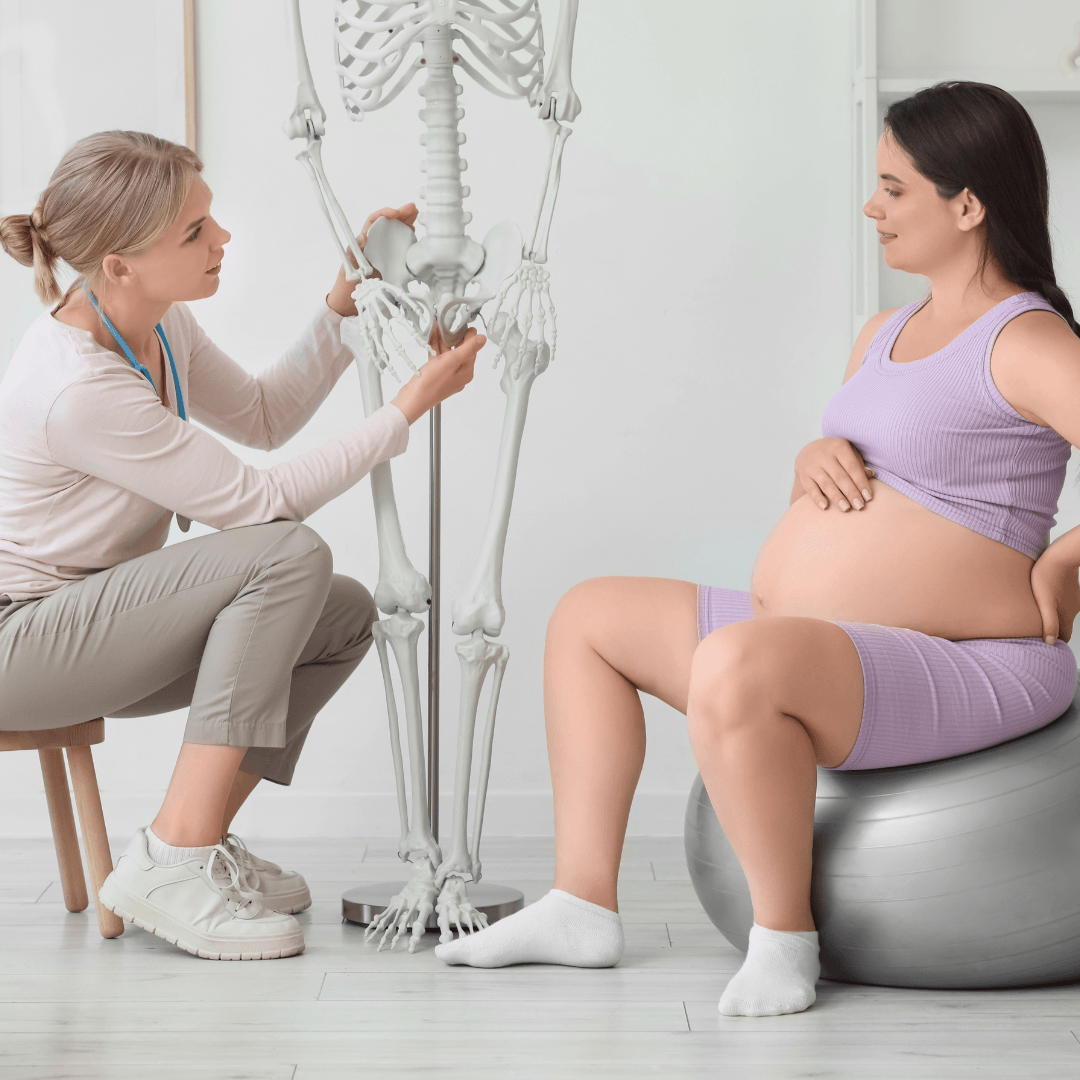
Pelvic girdle pain is a common experience during pregnancy and the postnatal period, yet it is often misunderstood. For many women, pain around the pelvis, hips, or lower back can affect daily movement, sleep, and confidence with exercise.
Understanding what pelvic girdle pain is, how it relates to the pelvic floor, and how it can be supported helps women feel more informed and better supported during recovery.
This article draws on professional education delivered by Jo Murdoch, women’s health physiotherapist, whose work focuses on pelvic health, assessment, and safe return to movement.
What is pelvic girdle pain?
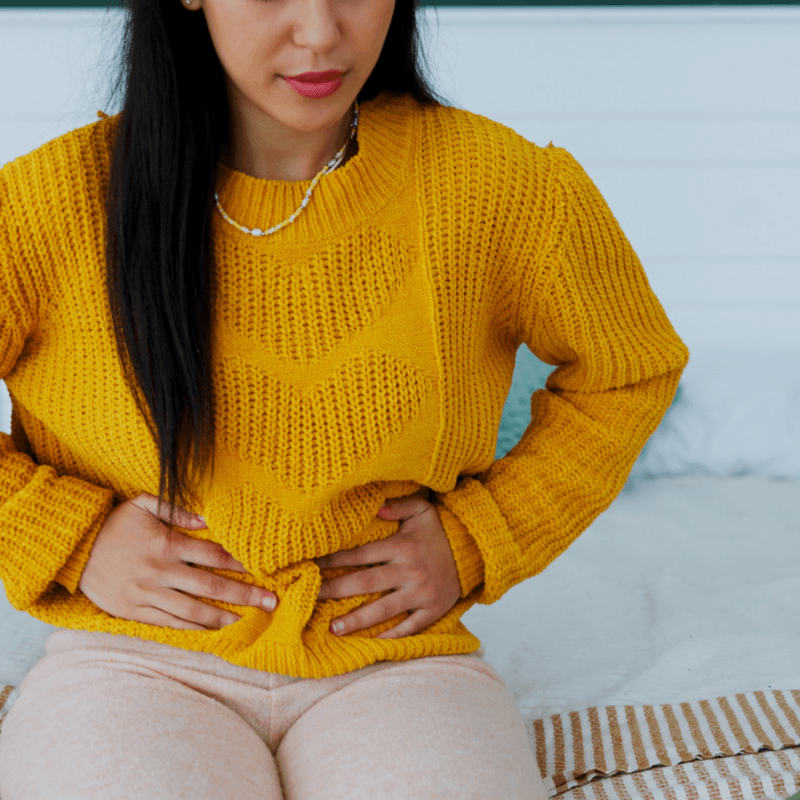
Pelvic girdle pain refers to pain arising from the joints and structures of the pelvis. It may be felt at the front of the pelvis, through the hips, in the lower back, or around the buttocks.
Pain can be influenced by:
- Hormonal changes affecting joint stability
- Altered movement patterns during pregnancy
- Load changes as the body adapts
- Muscle coordination and control
Pelvic girdle pain can present during pregnancy or continue after birth.
Why pelvic girdle pain occurs during pregnancy
During pregnancy, hormonal shifts increase joint mobility to allow for birth. While this is a normal process, increased mobility can affect how load is transferred through the pelvis.
As pregnancy progresses, changes in posture, gait, and muscle activation can place additional strain on pelvic joints. Activities such as walking, standing on one leg, rolling in bed, or lifting may become uncomfortable.
Pelvic girdle pain is not caused by one single factor. It reflects how multiple systems are interacting at the same time.
The role of the pelvic floor
The pelvic floor plays an important role in supporting pelvic stability. Rather than functioning in isolation, it works as part of a system that includes the diaphragm, abdominal wall, hips, and nervous system.
When pelvic floor muscles are not coordinating effectively with movement or load, pelvic discomfort may increase. Both over-tension and reduced activation can influence how force is managed through the pelvis.
Pelvic floor assessment helps determine what type of support is needed rather than assuming strengthening alone is the answer.
How pelvic girdle pain may present after birth
For some women, pelvic girdle pain resolves after pregnancy. For others, symptoms may continue into the postnatal period, particularly when returning to exercise or daily activities.
Postnatal pelvic girdle pain may be influenced by:
- Tissue recovery after birth
- Feeding positions and repetitive load
- Sleep disruption and fatigue
- Returning to higher-load movement too quickly
Recovery timelines vary and benefit from individualised support.
Supporting pelvic girdle pain with movement
Movement remains an important part of recovery, though it often needs to be adapted. Exercise that supports pelvic girdle pain focuses on coordination, control, and gradual load exposure.
Helpful principles may include:
- Reducing asymmetrical loading when symptoms are high
- Supporting hip and trunk coordination
- Progressing load gradually
- Avoiding pain-provoking movement patterns initially
Exercise works best when guided by how the body responds rather than by rigid timelines.
When professional assessment is helpful
Pelvic girdle pain is not something women need to push through alone. Referral to a qualified health professional may be helpful when:
- Pain affects daily movement
- Symptoms persist after birth
- Exercise feels uncomfortable or unsafe
- Confidence with movement is reduced
Assessment helps identify the contributing factors and guide appropriate support.
Pelvic girdle pain deserves informed care
Pelvic girdle pain is common, but it is not something women need to accept without support. With informed guidance, many women are able to move with greater comfort, confidence, and clarity during pregnancy and postnatal recovery.
Understanding the relationship between pelvic joints, muscles, and movement is a key part of supporting recovery.
You Deserve Support When Pelvic Pain Affects Your Movement
Pelvic girdle pain can impact daily life and confidence with exercise.
With the right guidance, movement can feel safer and more supportive.
👉 Find your local MumSafe™ Trainer and feel safe, supported, and confident in your training. Click here to find a MumSafe™ Trainer near you or online.
Are you a trainer who wants to better support clients with pelvic girdle pain and pelvic health considerations?
Education helps trainers support women with confidence and care.
👉 Learn more about joining the MumSafe™ team. Check this link here.
Mum-focused author, educator and business owner, Jen Dugard is on a mission to ensure every woman is safely and effectively looked after when she becomes a mother. She is a highly qualified trainer and fitness professional educator and has been specialising in working with mums for over a decade. MumSafe is the go-to place online for women to find mum-focused fitness services that are all accredited, experienced and partnered with women’s health physios so you know you are in very safe hands.