
Postnatal Depression: What Every Mum Deserves to Know

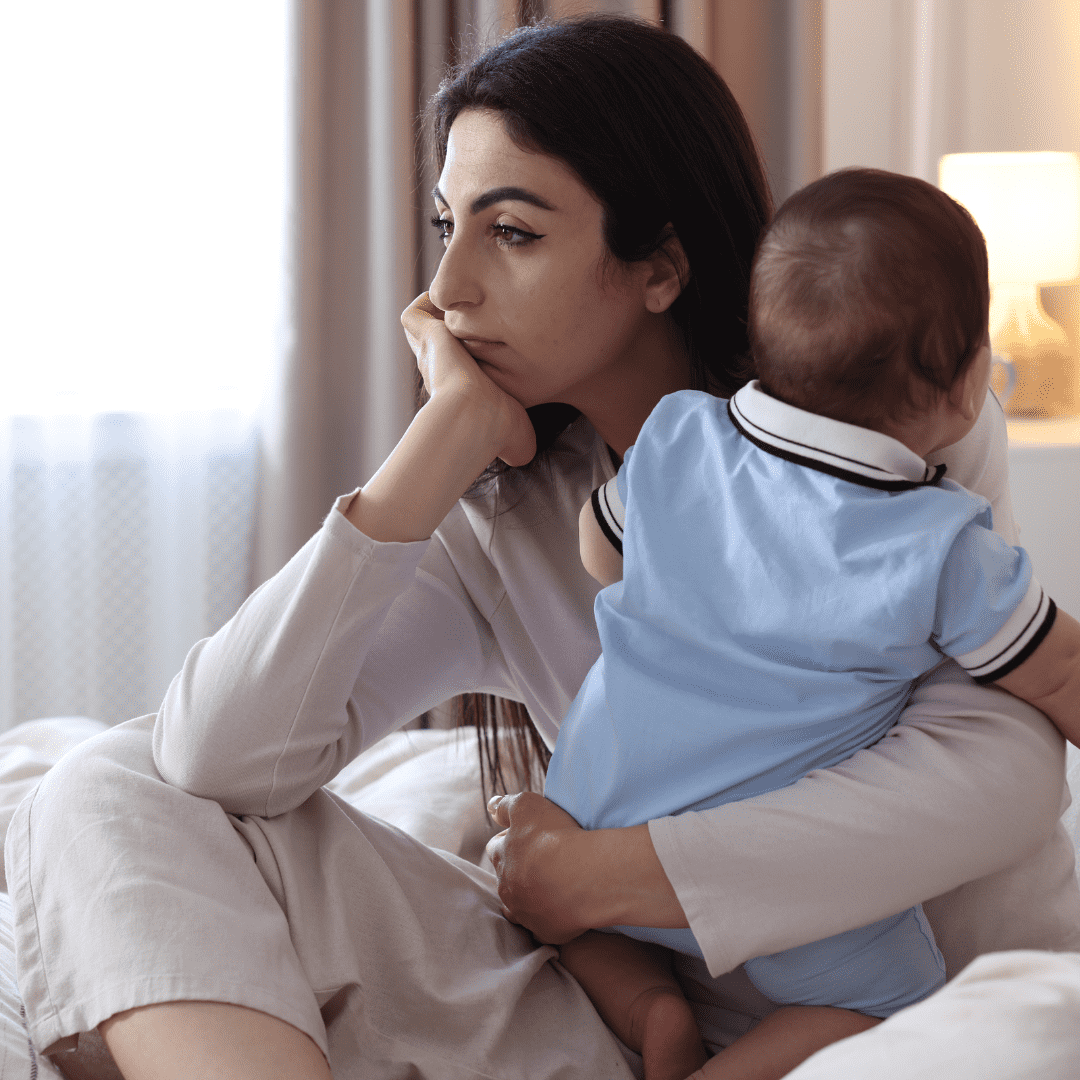
Becoming a mum is often described as a beautiful, magical time… but for many women, it doesn’t feel that way at all.
And if that’s been your experience or even just a quiet worry sitting in the back of your mind, you are not alone.
New research shows that around 1 in 5 women experience depression or anxiety during pregnancy or after birth, and these numbers may be rising. With so many mums affected, it is essential that we talk openly, honestly and compassionately about postnatal mental health.
This article will help you understand what postnatal depression may look like, why it happens, and most importantly, where to find support.
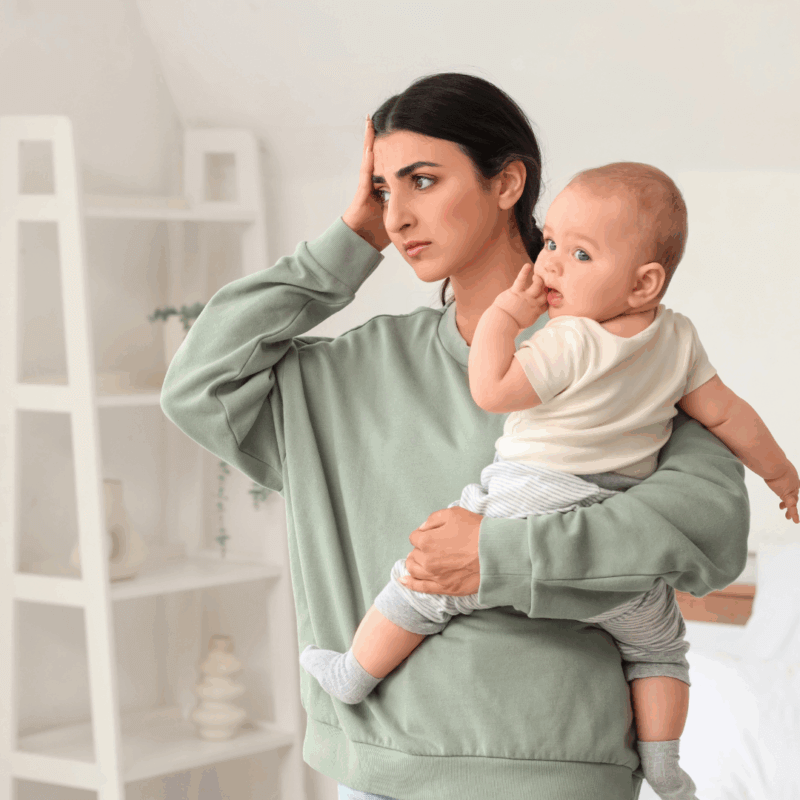
What Postnatal Depression Really Is
Postnatal depression is more than “feeling sad” or having a few bad days.
It’s a mental health condition that can affect your thoughts, emotions, sleep, appetite, energy, and overall ability to cope.
For some women, it begins in pregnancy.
For others, it shows up weeks or months after birth.
And it can affect any mum… first-time mums, experienced mums, single mums, partnered mums, older mums, younger mums. Mental health does not discriminate.
It is not a sign of weakness. It is not your fault. And it is absolutely treatable.
Why Postnatal Depression Happens
There are many reasons why perinatal mental health can shift so dramatically:
1. Hormonal changes
Pregnancy and birth cause big hormonal shifts, which can affect your mood and emotional regulation.
2. Sleep deprivation
Broken sleep and exhaustion make everything harder. For many mums, lack of sleep is the biggest trigger for overwhelm.
3. Unrealistic expectations
We are surrounded by images of “perfect motherhood.” When reality doesn’t match the picture, many mums feel like they are failing, when in truth, they’re doing their best in incredibly challenging circumstances.
4. Birth trauma or a difficult birth
A frightening or disappointing birth can impact emotional wellbeing long after the physical healing is done.
5. Previous mental health history
Women with past anxiety, depression or eating disorders may find these experiences resurface in pregnancy or postpartum.
6. Isolation
Many mums feel alone, misunderstood, or afraid to share what they’re going through.
You may see other mums “coping” and assume you should feel the same. But we rarely see the truth behind the scenes.
How Postnatal Depression Can Feel
Every mum’s experience may look different, but common signs include:
- Feeling sad, hopeless or overwhelmed
- Irritability or emotional numbness
- Loss of interest in things you usually enjoy
- A sense of failure or guilt
- Anxiety, intrusive thoughts or constant worry
- Difficulty bonding with your baby
- Feeling “not like yourself”
- Withdrawing from friends, family or activities
- Trouble sleeping even when the baby sleeps
- Thoughts of harming yourself or believing your family is better off without you
If any of these feel familiar, please know this:
You are not a bad mum. You are a mum who needs support.
And support exists.
Why Speaking Up Matters
Untreated postnatal depression doesn’t just affect mums, it can impact partners, relationships, and even your baby’s bonding and development.
But when mums receive the right support early, whether counselling, medication, community connection or a combination, the outcomes improve dramatically.
You deserve early, compassionate care.
You deserve to feel supported.
You deserve to enjoy motherhood in a way that feels real and grounded, not pressured or lonely.
You Are Not Alone: There Is Help Available
In Australia, there are accessible, evidence-based places to turn for support:
COPE (Centre of Perinatal Excellence)
Offers clear, honest information about pregnancy and postnatal mental health, plus screening tools and a national referral directory.
Ready to COPE
A free, week-by-week email guide that supports your emotional wellbeing through pregnancy and the first year postpartum.
Your GP or Women’s Health Provider
They can help assess what you’re feeling and guide you to appropriate treatment, including medication if needed.
Perinatal counsellors, psychologists and support groups
Talking to someone who truly understands the perinatal period can be incredibly healing.
Reaching out is not weakness, it is the strongest and most loving thing you can do for yourself and your family.
Looking After Your Mental Health as a Mum
Supporting your emotional wellbeing is just as important as caring for your physical recovery. Small steps can make a meaningful difference:
- Protect your sleep where possible
- Set boundaries around visitors and advice
- Lower expectations, not standards of care, just pressure on yourself
- Prioritise nourishing food and hydration
- Move your body gently
- Share how you’re feeling with someone safe
- Ask for help with chores, meals, or childcare
- Stay connected with other mums who “get it”
You don’t have to handle everything alone.
You Deserve Support, Care and Understanding
Motherhood is not meant to be done in silence or isolation.
If you’ve been struggling, or even quietly wondering if something feels “off,” please know this:
Your feelings are valid.
Your experience matters.
And there is help, hope, and healing available.
The sooner you reach out, the sooner you can feel more like yourself again.
Find a Supportive Professional Near You
MumSafe™ Trainers work closely with Women’s Health Physiotherapists and are trained to support mums safely… physically and emotionally.
If you’d like a supportive exercise environment with professionals who understand the realities of motherhood:
👉 Find a qualified MumSafe™ Trainer near you or online. Click here to find a MumSafe™ Trainer near you or online.
If you are a trainer wanting to support mums in a truly evidence-informed way:
👉 Learn more about joining the MumSafe™ team. Check this link here.
Mum-focused author, educator and business owner, Jen Dugard is on a mission to ensure every woman is safely and effectively looked after when she becomes a mother. She is a highly qualified trainer and fitness professional educator and has been specialising in working with mums for over a decade. MumSafe is the go-to place online for women to find mum-focused fitness services that are all accredited, experienced and partnered with women’s health physios so you know you are in very safe hands.