
Postpartum Exercise Research: What Mums and Trainers Need to Know

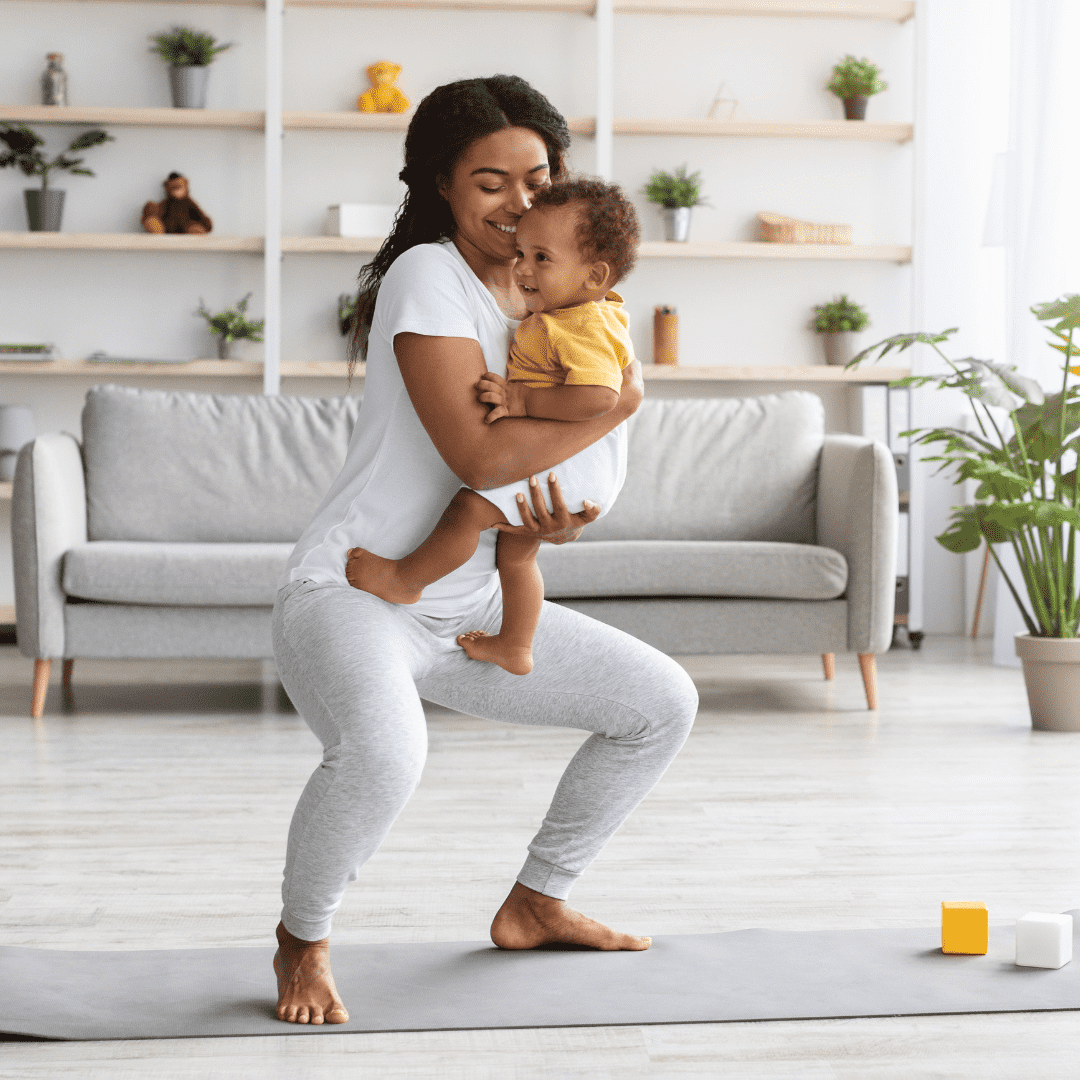
Returning to exercise after birth isn’t just about waiting six weeks and then picking up where you left off. The postpartum body has gone through profound physical, hormonal, and emotional changes, and a safe return to movement requires understanding these changes and supporting recovery, not rushing through it.
In our recent MumSafe™ training with Eliza Bernardi, we explored how current research is reshaping the way we think about postpartum exercise, moving away from generic timelines and toward personalised, evidence-based guidelines. Here’s what mums and trainers need to know.
The Shift from Time-Based to Function-Based Guidelines
For decades, postpartum exercise clearance was tied to a single milestone: the six-week check-up. But new research shows that recovery is more complex and individualised.
A function-based approach focuses on:
- How the mum feels day to day
- Pelvic floor symptoms such as leakage, heaviness, or pain
- Core strength and pressure management
- Energy levels and fatigue
- Mental readiness to return to higher-impact activity
This means clearance is not a green light for all movement; it’s an invitation to progress gradually, with guidance from trained professionals.
Pelvic Floor Recovery Is Central
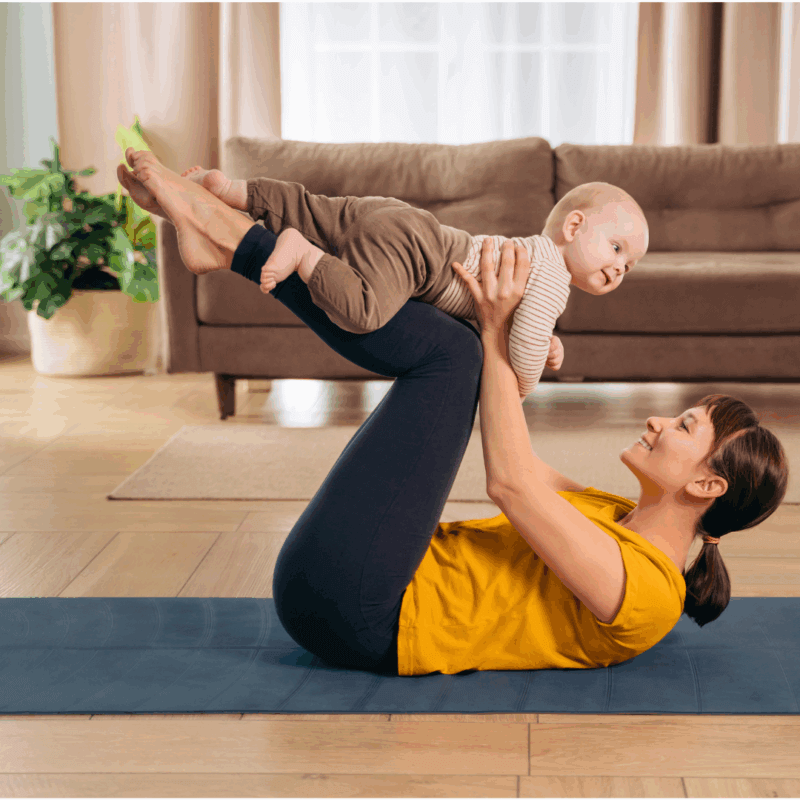
Eliza also emphasised that pelvic floor rehabilitation is at the heart of safe postpartum recovery. Even mums without obvious symptoms may still have underlying weakness or delayed healing.
She reminded us that:
- Returning to high-impact exercise too soon can increase the risk of prolapse, incontinence, or pain.
- Breath work, posture alignment, and gradual loading are essential for safe progression.
- The pelvic floor should be treated like any other muscle group, it requires assessment, specific training, and recovery time before high demand is placed on it.
Postpartum Fatigue and Load Management
In the training, Eliza explained that postpartum fatigue is more than just “being tired.” Hormonal shifts, disrupted sleep, and the demands of caring for a newborn all impact recovery from exercise.
Practical takeaways include:
- Reducing training volume and intensity during periods of sleep disruption
- Prioritising restorative movement like walking, stretching, or gentle core activation
- Adjusting exercise based on the mum’s weekly energy levels instead of following a rigid plan
Return to Running and High-Impact Sports
One of the most practical pieces Eliza shared was around the Return to Running Postnatal Guidelines. The evidence-based recommendations are:
- Waiting at least 12 weeks postpartum before considering running
- Being symptom free of leakage, heaviness, or pain during lower impact activities first
- Building a base of strength and stability through walking, single leg exercises, and impact prep drills
- Working with a women’s health physiotherapist to assess readiness
These guidelines help reduce injury risk and protect long-term pelvic health.
What This Means for Trainers
MumSafe™ aligned trainers can apply research by:
- Collaborating with women’s health physiotherapists for assessment and referral
- Building programs that start with breath, posture, and core-pelvic floor connection
- Progressing impact only when foundational strength and function are established
Educating mums that slower, supported return leads to better long term results
Research Is Evolving and So Should We
As Eliza reminded us, postpartum exercise isn’t about bouncing back, it’s about building forward with a body that’s been through one of life’s most demanding events. By staying informed on the latest research and focusing on individual needs, we can help mums return to exercise feeling strong, confident, and supported.
MumSafe™ Trainers are educated in women’s health and postpartum recovery, ensuring your return to movement is safe and personalised.
Click here to find a MumSafe™ Trainer near you or online.
If you’re a trainer ready to support women beyond pregnancy and into every stage of motherhood, express your interest in joining the MumSafe™ check this link here.
Mum-focused author, educator and business owner, Jen Dugard is on a mission to ensure every woman is safely and effectively looked after when she becomes a mother. She is a highly qualified trainer and fitness professional educator and has been specialising in working with mums for over a decade. MumSafe is the go-to place online for women to find mum-focused fitness services that are all accredited, experienced and partnered with women’s health physios so you know you are in very safe hands.