
Postpartum Research Update: What Every Trainer Needs to Know

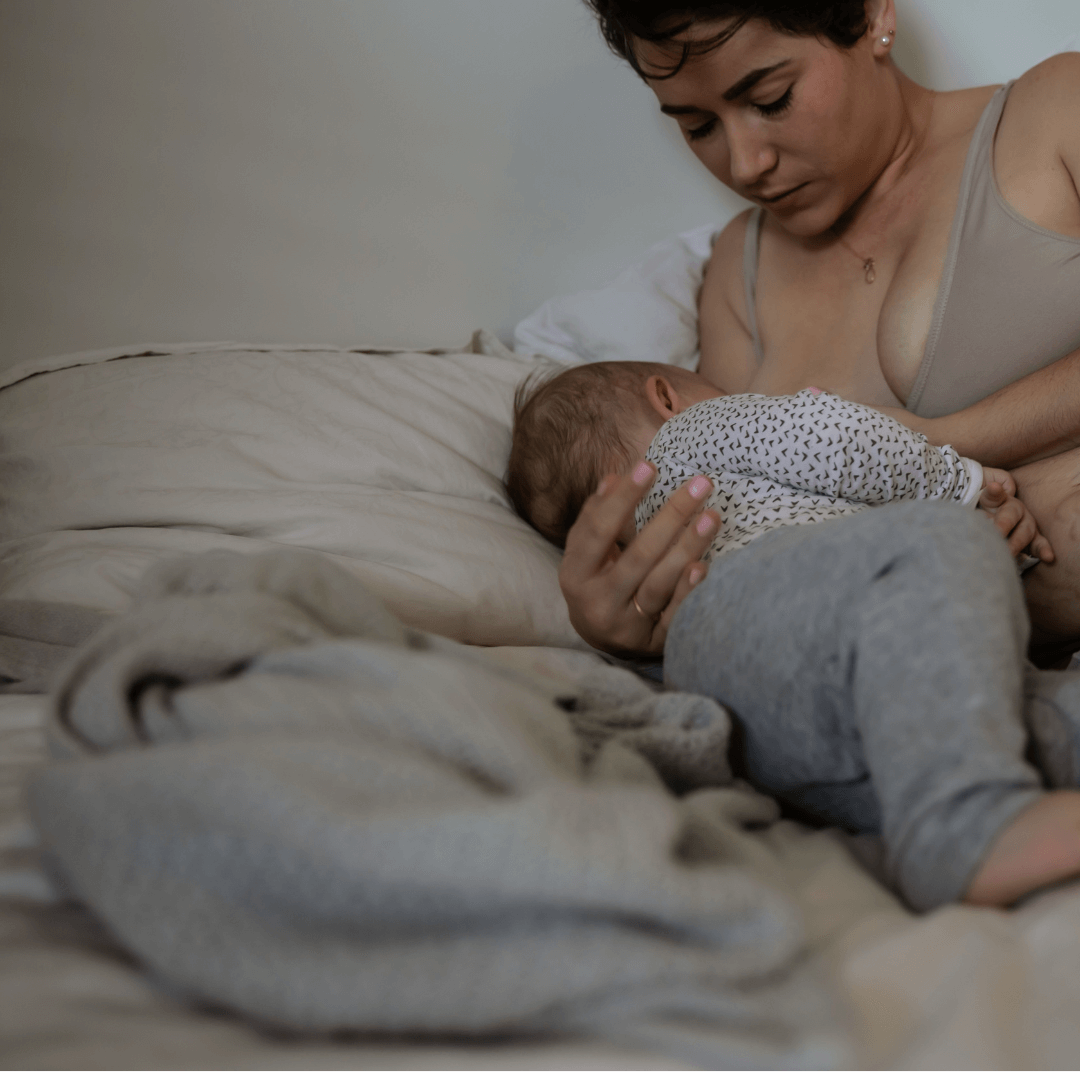
Postnatal recovery is not one-size-fits-all. Each mum’s body, birth and journey back to movement are unique but our understanding of what’s safe and effective is constantly evolving.
In the previous MumSafe™ Education Masterclass, Women’s Health Physiotherapist Aoife Clarke shared new insights from the latest postpartum research, covering three key areas: abdominal separation (DRAM), return to running and prolapse management.
Here’s what every trainer supporting postpartum women needs to know.
1. Return to Running: Strength, Symptoms and Screening
One in four women who ran before pregnancy don’t return to running after birth not always because they can’t, but because they don’t know how to do it safely.
Aoife emphasised that while returning to running earlier than 12 weeks may be possible for some, a gradual, symptom-aware approach remains key. The latest expert consensus recommends:
✅ No pelvic floor or abdominal pain
✅ No urinary or bowel leakage
✅ No heaviness, bulging, or dragging sensations
✅ The ability to complete single-leg strength and impact drills (like hops and running man) without symptoms
In other words, strength and control matter more than time.
Aoife also reminded trainers that “pain-free doesn’t mean ready.” The pelvic floor and abdominal wall need time to adapt to new demands, and jumping straight from rest to high-intensity activity can trigger symptoms later.
Supporting exercises include:
- Single-leg strength drills (sit-to-stands, running man)
- Calf raises and mobility work (to aid shock absorption)
- Gradual walk-jog intervals once criteria are met
Compression garments or pessaries may offer support for women experiencing heaviness or prolapse symptoms when they begin impact training.
2. Abdominal Separation: Finding the Middle Ground
There’s still no single “gold standard” for treating abdominal separation (DRAM). But research continues to reinforce what many experienced trainers already practice: a functional, individualised approach works best.
Key takeaways include:
- Doming isn’t automatically bad. Some degree of abdominal doming can be acceptable if there’s no pain and good core control.
- Form and function matter more than gap size. Depth, tension and coordination of the deeper core are more useful indicators than the number of fingers between the muscles.
- C-section vs vaginal birth makes no difference in abdominal healing outcomes.
Aoife encouraged trainers to move away from rigid “don’t do” rules and instead guide women based on:
- Technique and breath connection
- Symptom awareness (pain, pressure, fatigue)
- Gradual load progression
Realistic conversations also matter. Some women’s separation won’t close fully due to genetics and collagen differences but strength, tension and function can still be restored.
3. Prolapse: Positioning, Pressure and Progression
When it comes to prolapse, symptom-led training is essential. Aoife shared that position, not pressure, may make the biggest difference.
Recent research shows that:
- Lying and seated positions reduce load on the pelvic floor
- Many everyday activities (like standing up or climbing stairs) create similar pressure to moderate strength exercises
- The levator hiatus, the gap in deep pelvic floor muscles… widens more in standing than in lying positions
This means that for women managing prolapse symptoms, starting strength work in lying or seated positions can help build capacity before progressing to upright or loaded movements.
Above all, trainers should focus on:
- Symptom check-ins (heaviness, bulging, pain)
- Coordinating breath and pelvic floor activation
- Collaboration with Women’s Health Physiotherapists for ongoing assessment and support
Postpartum Recovery: The Balance Between Evidence and Experience
The biggest lesson from Aoife’s research update? The science is still evolving, but that doesn’t mean we’re guessing.
Trainers don’t need to have all the answers. What matters most is staying curious, listening to the client’s body and adapting based on symptoms, strength and comfort.
MumSafe™ Trainers already embody this approach, combining evidence, empathy and collaboration to help mums move safely, confidently and sustainably.
Safe, Strong and Supported: That’s the MumSafe™ Way
Postpartum recovery isn’t about perfection, it’s about progression.
With the right guidance, every mum can rebuild her strength, confidence and trust in her body.
Looking for guidance that meets you where you are?
👉 Find a qualified MumSafe™ Trainer near you or online. Click here to find a MumSafe™ Trainer near you or online.
Are you a trainer who wants to support mums through evidence-based recovery and movement?
👉 Learn more about joining the MumSafe™ team. Check this link here.
Mum-focused author, educator and business owner, Jen Dugard is on a mission to ensure every woman is safely and effectively looked after when she becomes a mother. She is a highly qualified trainer and fitness professional educator and has been specialising in working with mums for over a decade. MumSafe is the go-to place online for women to find mum-focused fitness services that are all accredited, experienced and partnered with women’s health physios so you know you are in very safe hands.