
Safe Return to Exercise: What Every Mum Deserves to Know

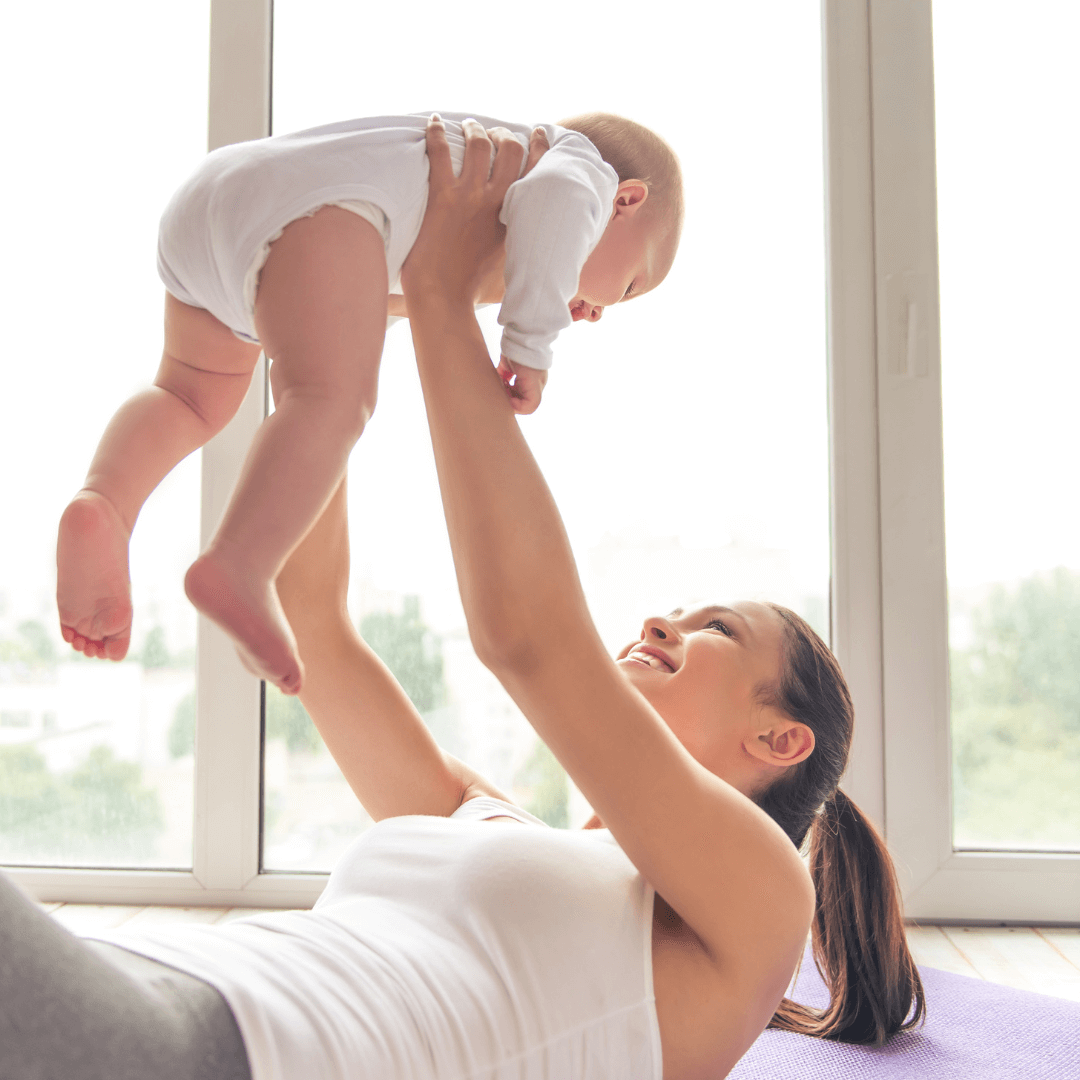
After having a baby, many mums feel unsure about how and when to start exercising again. You might be eager to move your body, rebuild strength, or get back to the routines you once enjoyed—but you also want to make sure your return is safe.
Postnatal recovery is often misunderstood. Mums are commonly cleared at six weeks but given very little guidance about what that actually means for their body. A safe return to exercise requires more than a tick-box appointment—it requires understanding, patience, and the right support.
Here are the key things every mum should know before returning to exercise.
1. Your Six-Week Check Isn’t a Full Assessment
The six-week postpartum check is important, but it mainly focuses on:
- Bleeding
- Stitches
- Feeding
- General wellbeing
What it doesn’t assess:
- Pelvic floor function
- Abdominal wall and separation
- Prolapse symptoms
- Core coordination
- Musculoskeletal changes
So even if you’re feeling fine at this appointment, your body still needs a rebuild phase before returning to higher-intensity exercise.
2. Your Pelvic Floor Needs Individualised Support
Your pelvic floor is a key part of postnatal recovery. Pregnancy and birth can affect its ability to lift, respond, and coordinate with your breath.
Look out for symptoms such as:
- Leaking with coughing or exercise
- Pelvic heaviness or dragging
- Pain during intimacy
- Difficulty emptying your bladder or bowels
- Constipation
- Back, hip or pelvic pain
Research shows many women struggle to activate their pelvic floor correctly with verbal cues alone, some unintentionally bear down instead of lifting.
This is why individual assessment matters.
3. Your Abdominal Wall Needs More Than a “Gap Check”
Most mums have some level of abdominal separation after pregnancy.
But what really matters is:
- How deep the gap feels
- How the tissue responds when you activate your core
- Whether you can generate tension through your midline
Your abdominal wall doesn’t need to look a certain way to function well. What you want is connection, strength and coordination.
4. A Pelvic Health Physiotherapist Is One of the Best Supports You Can Access
Every mum benefits from seeing a pelvic health physio—whether your birth was vaginal, caesarean, smooth, or complicated.
They can:
- Assess your pelvic floor internally
- Check for prolapse
- Guide you with real-time ultrasound
- Support abdominal separation
- Help address pain, leaking, or heaviness
- Provide a personalised rehab plan
They are the “inside look” your trainer can’t provide—and a crucial part of your postnatal team.
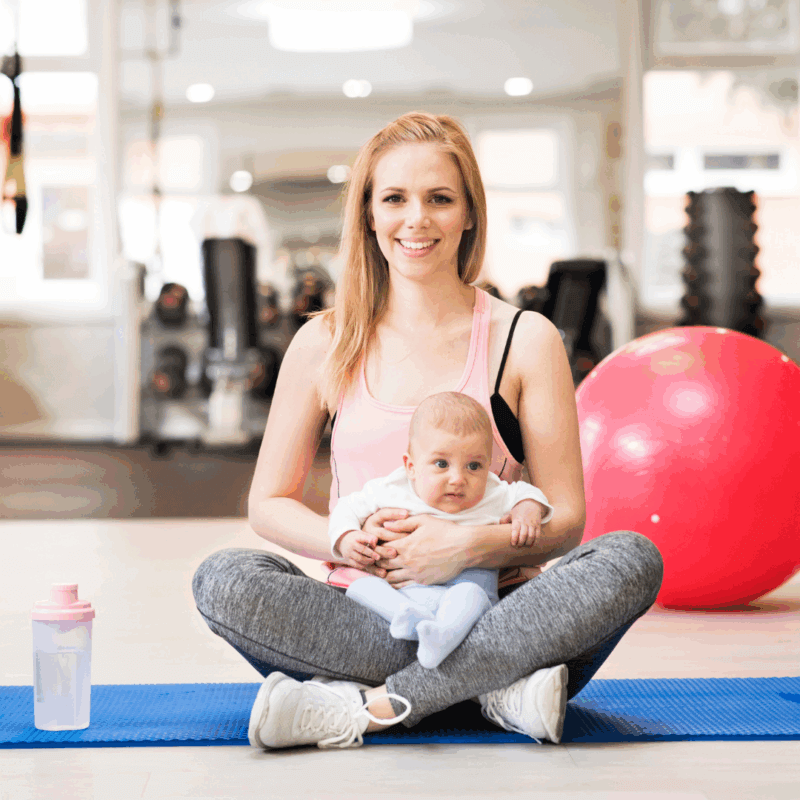
5. Choose a Trainer Who Truly Understands Postnatal Exercise
A safe return to exercise depends on the environment you’re in.
The right trainer will:
- Ask about your pregnancy and birth
- Screen for pelvic floor symptoms
- Assess your abdominal wall
- Adapt movements based on how your body responds
- Work alongside your pelvic health physio
- Build your strength progressively, not rushed
This is exactly why MumSafe™ exists, to ensure mums are supported physically, mentally, and emotionally as they return to movement.
You Deserve a Safe, Supported Return to Exercise
Your postpartum body is strong, adaptable, and worthy of care.
With the right guidance, you can return to exercise feeling confident, connected, and supported, not rushed or overwhelmed.
👉 Find your local MumSafe™ Trainer
and feel safe, supported, and confident in your return to exercise. Click here to find a MumSafe™ Trainer near you or online.
Are you a trainer who wants to better support mums through pregnancy, postnatal recovery, and emotional wellbeing?
👉 Learn more about joining the MumSafe™ team. Check this link here.
Mum-focused author, educator and business owner, Jen Dugard is on a mission to ensure every woman is safely and effectively looked after when she becomes a mother. She is a highly qualified trainer and fitness professional educator and has been specialising in working with mums for over a decade. MumSafe is the go-to place online for women to find mum-focused fitness services that are all accredited, experienced and partnered with women’s health physios so you know you are in very safe hands.