
Tips for a Safe Return


Running can feel like freedom, strength, and stress relief all at once. But returning to running after pregnancy is not as simple as lacing up your shoes and heading out the door.
The postnatal body has gone through significant change. From core and pelvic floor function to joint stability and energy levels, many factors affect how and when a mum can safely run again.
Whether you are a mum itching to get back to running or a trainer supporting her, this guide outlines what to look for, what to build first, and how to protect the body for long-term health and confidence.
Why You Should Not Rush Back
Running is a high-impact activity that places load on the pelvic floor, hips, and spine. After birth, these areas may still be healing. Even if a woman feels fine, her tissues and fascia might not be ready for repetitive impact.
Going back too soon can lead to:
- Pelvic organ prolapse
- Leaking urine
- Joint pain or instability
- Fatigue and burnout
Instead of focusing on when you can run, shift the focus to what the body needs in order to run safely.
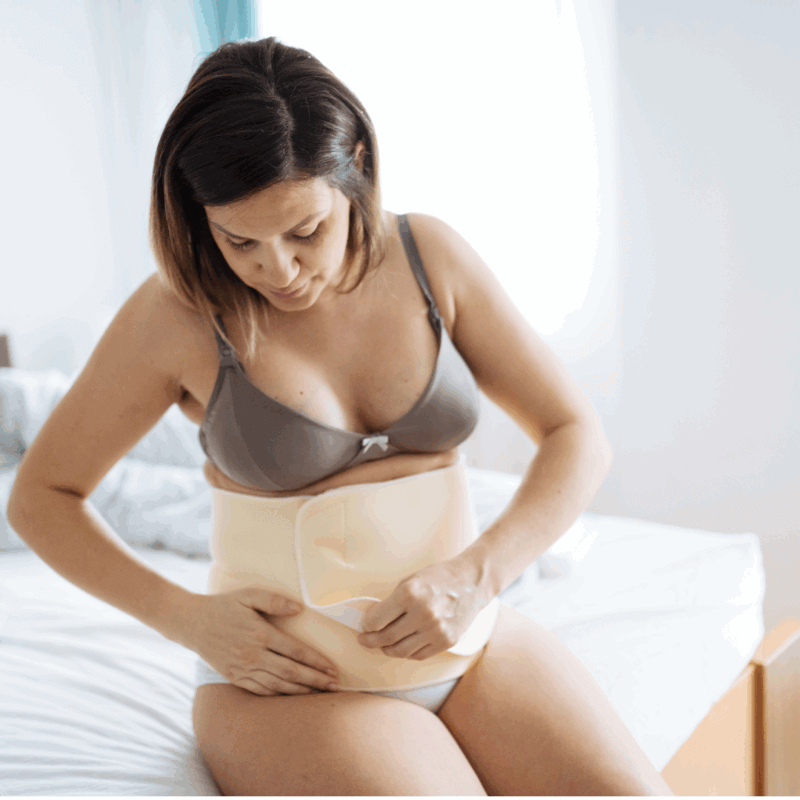
Signs You May Not Be Ready to Run Yet
The general guideline is to wait at least 12 weeks postpartum, but every woman is different. Before introducing impact, check for:
- Leaking with walking, coughing, or lifting
- A sense of heaviness or bulging in the pelvis
- Unstable or painful hips, knees, or feet
- Poor sleep, low energy, or fatigue that does not improve with rest
- Abdominal separation that feels uncoordinated or domes with pressure
If any of these are present, refer to a Women’s Health Physio for assessment.
Laying the Groundwork Before Returning to High Impact
Before returning to running, it’s important to focus on rebuilding foundational strength and coordination. This includes:
- Restore pelvic floor function and coordination
- Reconnect with breath and pressure control
- Rebuild postural strength and endurance
- Improve walking gait and single-leg stability
Start with gentle movements that support your foundational systems.
- Heel slides and bridges to re-engage the glutes and hamstrings
- Deep core breathing and connection exercises
- Standing balance and bodyweight squats
- Gentle hill walks or incline treadmill walks to simulate running mechanics without full impact
When You’re Ready: How to Reintroduce Running Gently and Safely
Once you’ve been cleared by your physio and you’re not experiencing any red flags (like pain, leaking, or heaviness), a walk-run approach is a gentle way to begin.
Key principles:
- Alternate walking and running in short intervals (e.g., 1 minute run, 2 minutes walk)
- Keep runs low volume and non-consecutive for the first few weeks
- Prioritise posture and cadence over speed or distance
- Wear a supportive sports bra and well-fitted shoes
- Monitor for any signs of leaking, heaviness, or discomfort
If any symptoms return, reduce impact, add more rest days, and revisit foundational work.
Emotional Readiness Matters Too
Running often holds emotional value. For some, it is a way to reclaim identity and independence after birth. For others, pressure to “get fit again” may feel overwhelming.
Tune in:
- Is she excited, or is she feeling pressure to perform?
- Does she feel safe and strong, or fearful and hesitant?
- Is this the right time, or would another form of movement feel better?
Holding space for these questions helps build not just physical readiness, but emotional resilience as well.
Yes, You Can Run When You’re Ready, and with Support
Ready to return to movement but unsure if running is right for now? You are not alone.
MumSafe™ Trainers are educated in safe, evidence-informed postnatal exercise and work closely with Women’s Health Physios to guide you every step of the way.
Want to find a qualified trainer who can help you return to running safely? Click here and search for a trainer close to you or online.
If you are a trainer ready to lead the way in postnatal recovery, check this link here and express your interest in becoming the go-to pre and postnatal specialist in your local area.
Mum-focused author, educator and business owner, Jen Dugard is on a mission to ensure every woman is safely and effectively looked after when she becomes a mother. She is a highly qualified trainer and fitness professional educator and has been specialising in working with mums for over a decade. MumSafe is the go-to place online for women to find mum-focused fitness services that are all accredited, experienced and partnered with women’s health physios so you know you are in very safe hands.