
Training with Your Menstrual Cycle: How to Support Hormones, Energy, and Performance

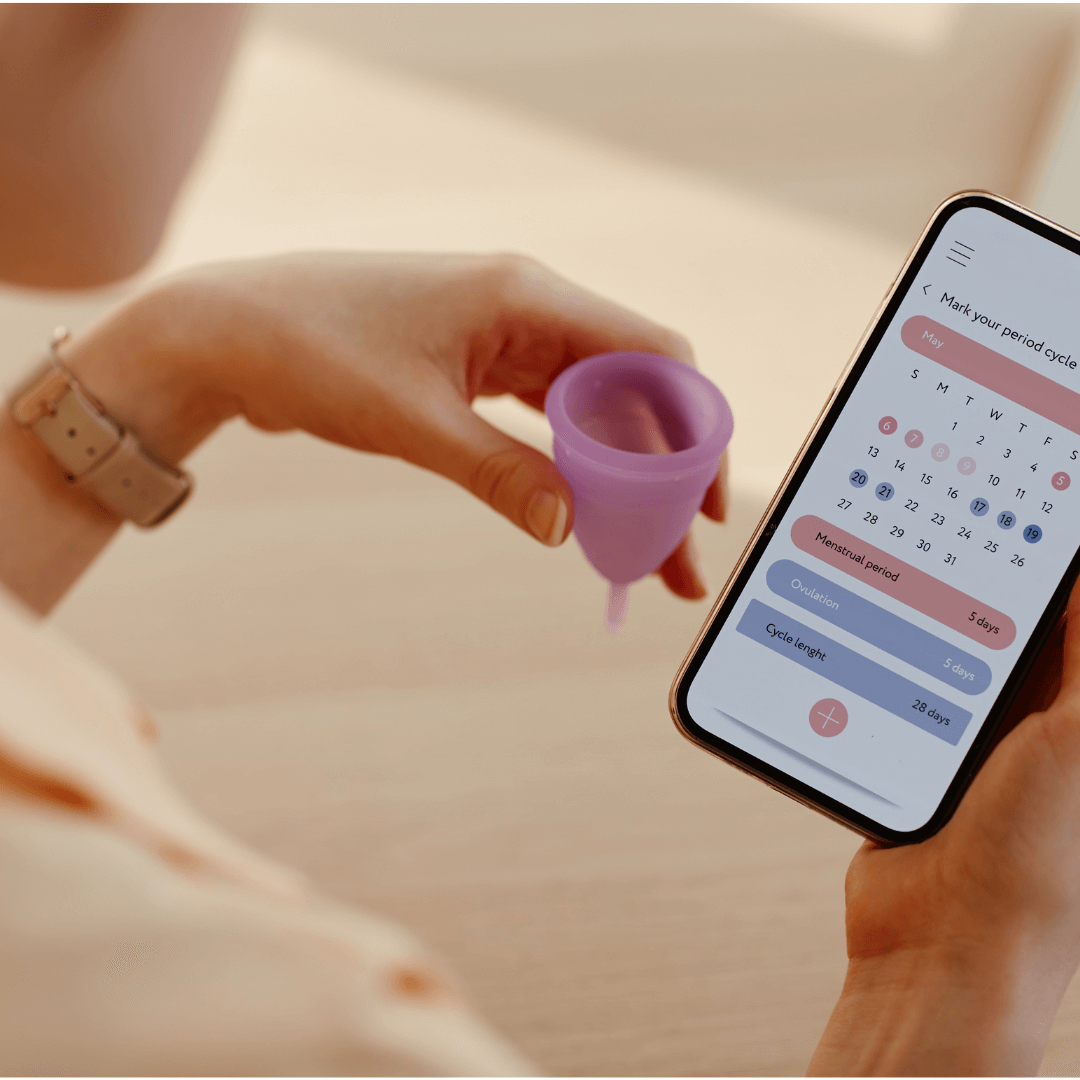
For too long, women have been told to push through fatigue, ignore their symptoms, or follow fitness plans designed for men. But the truth is, training with your menstrual cycle can help women get more from their workouts, avoid burnout, and honour what their bodies truly need.
From improved performance to smarter recovery, syncing training with hormonal changes empowers women to feel stronger and more in control, not just of their fitness, but of their overall wellbeing.
Why Cycle-Aware Training Matters
The traditional fitness model has been built around male physiology. Most exercise research has been conducted on men, and as a result, many women have been left out of the conversation, especially when it comes to how hormones impact strength, energy, and recovery.
Women experience significant hormonal fluctuations throughout the month. These shifts influence:
- Mood and motivation
- Appetite and energy levels
- Sleep and recovery
- Strength, coordination, and endurance
- Injury risk and pelvic floor function
Cycle-aware training is not about holding back. It is about working with your body, not against it.
Understanding the Four Phases of the Menstrual Cycle
Each phase of the cycle brings its own hormonal profile. Here is how to recognise them and adjust movement accordingly.
1. Early Follicular Phase (Days 1–7)
This is when menstruation begins. Estrogen and progesterone are at their lowest.
Training tip: Keep it gentle and supportive. Focus on mobility, light strength, walking, or rest if energy is low. Pain, fatigue, and digestive discomfort are common. Honour how you feel and prioritise recovery.
2. Late Follicular Phase (Days 8–14)
Estrogen begins to rise, bringing improved mood, energy, and pain tolerance.
Training tip: This is the best time to lift heavier, increase intensity, and build strength. Take advantage of higher motivation and faster recovery. This is a great time for strength training, interval sessions, and progress testing.
3. Ovulation (Around Day 14)
Estrogen peaks and luteinising hormone triggers ovulation. Some women feel energised, others feel more sensitive.
Training tip: Continue training at a higher intensity if it feels good, but remain mindful. Increased joint laxity may raise injury risk in some women.
4. Luteal Phase (Days 15–28)
Progesterone rises, leading to increased hunger, body temperature, and fatigue. Estrogen begins to drop.
Training tip: This is the time to dial down intensity and focus on form, function, and rest. Support cravings with balanced meals, add rest days, and reduce volume if motivation dips. Think strength maintenance, low-impact cardio, or skill-based movement.
Common Signs That Your Training Should Shift
If a woman is feeling:
- Exhausted or sore after light workouts
- Irritable or overwhelmed
- More bloated or heavy than usual
- Less coordinated or stable
- Increased pelvic floor symptoms
These are signals to adapt training. Ignoring them may lead to burnout, injury, or hormonal disruption.
How Trainers Can Integrate Cycle-Aware Programming
Trainers do not need to be experts in hormones to make a big difference. Start by asking the right questions and building trust.
- Ask about their cycle in your intake forms: “Do you have a menstrual cycle? Is it regular?”
- Encourage tracking: Recommend a cycle tracker app so clients can connect their energy and training patterns.
- Educate and empower: Share that it is normal to feel stronger at some points and slower at others.
- Periodise programs: Use strength and intensity phases during weeks 2 and 3, with recovery and form focus in weeks 1 and
Cycle-aware training works best when clients are involved. Teaching women to notice their own rhythms creates sustainable progress, not just quick wins.
Strength Comes From Self-Awareness
Training with your menstrual cycle is not a trend. It is a return to listening, adapting, and training smarter. For mums in particular, whose energy and hormonal load is already high, syncing exercise with the cycle creates better results, fewer injuries, and greater self-trust.
Ready to feel strong and supported throughout your cycle? You do not have to do it alone.
MumSafe™ Trainers are educated in female physiology and cycle-aware movement and can support you at every stage of life.
Want to find a qualified trainer who understands how to train with your cycle? Click here and search for a trainer close to you or online.
If you are a trainer ready to support women beyond pregnancy and into all phases of womanhood, check this link here and express your interest in becoming the go-to pre and postnatal specialist in your local area.
Mum-focused author, educator and business owner, Jen Dugard is on a mission to ensure every woman is safely and effectively looked after when she becomes a mother. She is a highly qualified trainer and fitness professional educator and has been specialising in working with mums for over a decade. MumSafe is the go-to place online for women to find mum-focused fitness services that are all accredited, experienced and partnered with women’s health physios so you know you are in very safe hands.