
Training Women Safely: What Every Fitness Professional Needs to Know

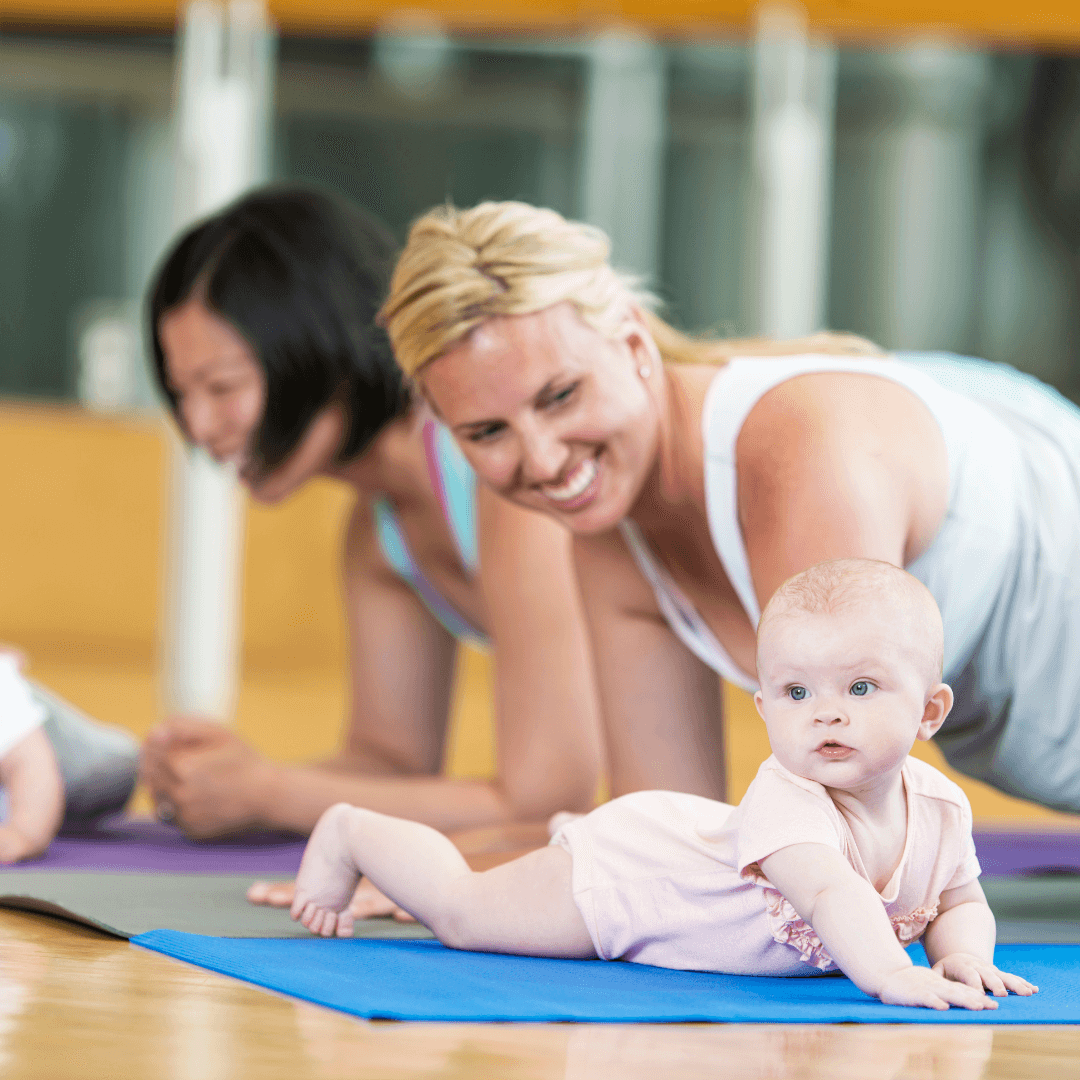
Most exercise science is built on research done with men. As a result, women have often been given training advice that does not reflect their bodies, their hormones, or their lived experiences. Training women safely means understanding more than muscles and movements, it means seeing the whole person and the context she moves in.
For women in all life stages, especially during pregnancy and postpartum, safe training involves education, empathy, and evidence-informed programming.
Why Training Women Is Not the Same as Training Men
Women are not small men. From puberty to postmenopause, female physiology goes through hormonal cycles, physical changes, and life experiences that impact how they respond to stress, recovery, and movement.
Key differences include:
- Monthly hormonal fluctuations
- Greater risk of pelvic floor dysfunction
- Higher incidence of autoimmune conditions and chronic pain
- Different responses to fasting, high-intensity training, and long-term stress
When trainers ignore these factors, women are more likely to feel exhausted, frustrated, or injured. When trainers acknowledge them, women are more likely to thrive.
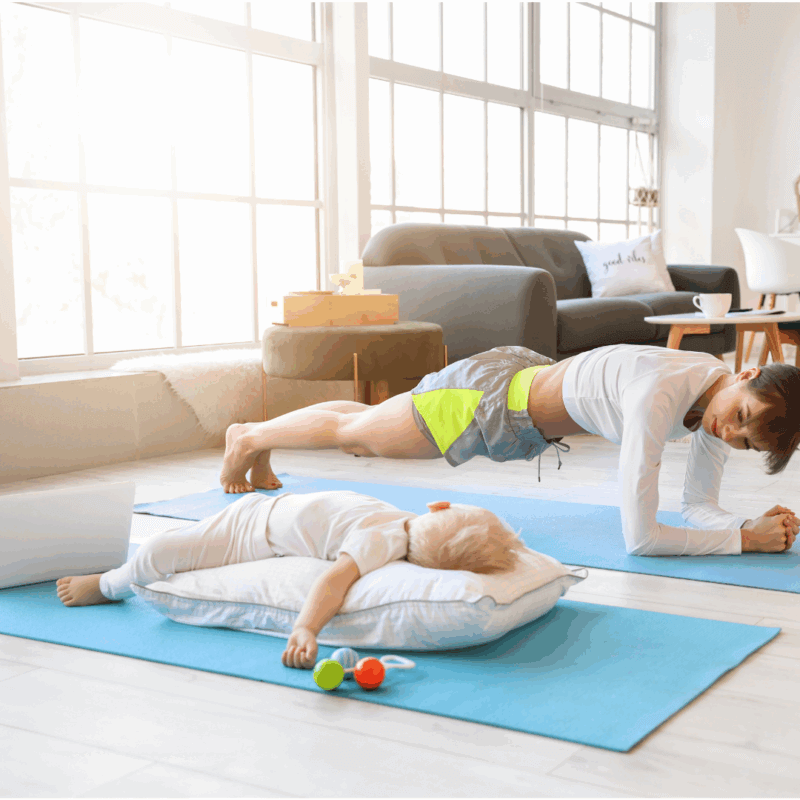
Training Should Be Trauma-Aware and Person-Centred
Many women have experienced physical or emotional trauma that influences how they feel in their body. For others, their relationship with exercise has been shaped by comparison, shame, or pressure.
Safe training includes:
- Asking for consent before touch or physical cues
- Avoiding triggering language about weight or appearance
- Offering options, not commands
- Creating space to talk about goals, fears, and preferences
Respecting how a woman feels in her body today, not pushing her toward someone else’s idea of progress
The Role of Education and Language
The words you use matter. Trainers do not need to know everything, but they should commit to learning about pelvic health, hormonal health, and inclusive practices.
Helpful language swaps:
- “Let’s find what feels good today” instead of “no pain, no gain”
- “We can build from here” instead of “you need to work harder”
- “You’re doing great” instead of “that’s not enough”
Language can empower or shame. Choose words that invite trust and confidence.
Consider Life Load, Not Just Training Load
For many women, training is just one part of their physical and emotional output. Mums in particular may be navigating:
- Broken sleep
- Feeding schedules
- Postnatal recovery
- Emotional and mental load
- Work and household responsibilities
If a client is already carrying a heavy load, adding intensity without recovery can backfire. Sometimes the strongest thing she can do is rest, stretch, or breathe.
Ask questions like:
- “How’s your energy today?”
- “What does your body need most right now?”
- “Do you feel ready to train, or do you need something softer today?”
These questions help you coach the person, not just the plan.
What Safety Looks Like in Practice
Safe training is not soft or ineffective. It is strategic, compassionate, and results-driven.
It includes:
- Understanding female anatomy and physiology
- Screening for pelvic floor symptoms
- Modifying for menstrual cycles, breastfeeding, or menopause
- Providing options without shame
- Collaborating with allied health professionals
Whether you are working with a new mum, a peri-menopausal woman, or someone recovering from injury, your ability to adapt and support is what builds lasting results.
Training Women Safely Is an Ongoing Commitment
Training women safely is not a one-size-fits-all model. It is a practice of listening, adjusting, and continuing to learn. Women deserve fitness spaces that see them fully, support their bodies, and honour their strength at every stage.
Looking for a trainer who understands your body and your life load? You deserve to feel strong and supported.
MumSafe™ Trainers are specially trained in how to work with women safely, across all life stages, and always in collaboration with Women’s Health Physiotherapists.
Want to find a qualified trainer who can support you with confidence and care? Click here and search for a trainer close to you or online.
Are you a trainer ready to specialise in safe, evidence-informed training for women? check this link here and express your interest in becoming the go-to pre and postnatal specialist in your local area.
Mum-focused author, educator and business owner, Jen Dugard is on a mission to ensure every woman is safely and effectively looked after when she becomes a mother. She is a highly qualified trainer and fitness professional educator and has been specialising in working with mums for over a decade. MumSafe is the go-to place online for women to find mum-focused fitness services that are all accredited, experienced and partnered with women’s health physios so you know you are in very safe hands.