
Training Women Safely: Why Understanding the Female Body Changes How We Coach

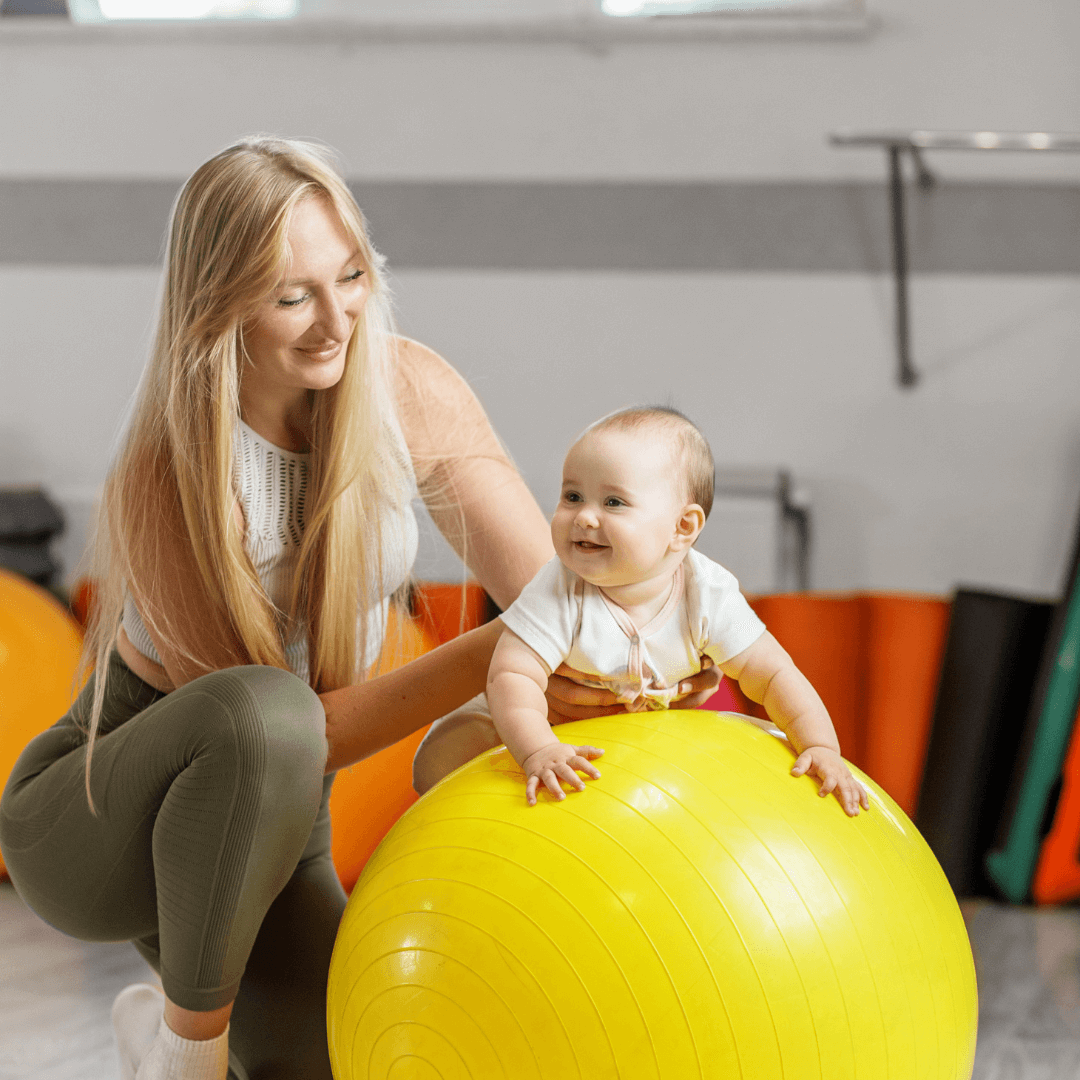
Training women requires more than applying general exercise principles. Hormonal fluctuations, life stages, pregnancy, postpartum recovery and nervous system demands all influence how women respond to movement.
When these factors are overlooked, training can feel mismatched, exhausting, or unsupportive. When they are understood, exercise becomes a tool for strength, confidence, and long-term wellbeing.
This article draws on education shared by Nardia Norman, exercise physiologist and women’s health educator, whose work focuses on helping professionals train women with greater insight and care.
Why women respond differently to training
Women’s bodies are dynamic. Hormonal shifts across the menstrual cycle, pregnancy, postpartum, and perimenopause influence strength, recovery, coordination, and fatigue.
These changes may affect:
- Energy levels across the week or month
For example, you might feel strong and capable one week, then flat, heavy, or easily fatigued the next — even though nothing else has changed. - Joint stability and connective tissue response
Some days movements feel smooth and controlled, while other days your hips, knees, or shoulders feel a bit “looser” or less stable, especially postpartum or around certain times in your cycle. - Stress tolerance and recovery capacity
A session that felt manageable last week might suddenly feel harder to recover from, particularly during periods of poor sleep, high mental load, or hormonal shifts. - How the nervous system responds to load
This can show up as feeling coordinated and confident one day, then clunky, slow, or overwhelmed the next — even with familiar exercises.
Understanding these patterns allows training to support the body rather than work against it.
The role of hormones in training outcomes
Hormones influence how women adapt to exercise. Oestrogen, progesterone, cortisol, and insulin all play roles in tissue recovery, muscle response, and energy availability.
Training that does not account for hormonal context may contribute to:
- Persistent fatigue
- Reduced recovery between sessions
- Increased injury risk
- Frustration or loss of confidence
This does not mean training needs to be complicated, but it does benefit from flexibility and awareness.
Pregnancy and postnatal considerations in training
During pregnancy and after birth, the body undergoes significant structural and hormonal change. Core function, pelvic floor support, breathing mechanics, and load tolerance all shift.
Postnatal recovery may be influenced by:
- Mode of birth
- Feeding demands
- Sleep disruption
- Stress load
- Previous training history
Progression works best when it is individualised and responsive rather than time-based.
Nervous system load and recovery
Women often carry high cognitive and emotional load alongside physical demands. This can influence how the nervous system responds to exercise.
Signs that training load may need adjusting include:
- Feeling depleted rather than energised after sessions
- Difficulty recovering between workouts
- Increased emotional reactivity
- Ongoing aches or niggles
Training that supports nervous system regulation can help build consistency and confidence over time.
Coaching women with clarity and care
Effective coaching for women involves:
- Clear communication
- Flexibility in programming
- Awareness of life stage demands
- Respect for recovery needs
Rather than pushing through, informed coaching adapts to what the body is communicating. This approach supports long-term engagement with movement rather than short bursts followed by burnout.
Why education matters for trainers
Training women well requires ongoing education. Understanding female physiology allows trainers to:
- Modify sessions confidently
- Communicate more effectively
- Support clients through change
- Build trust and long-term relationships
Education helps bridge the gap between intention and impact in women’s fitness.
Supporting women through informed training
Women deserve training environments that feel supportive, safe, and responsive. When exercise professionals understand the female body across life stages, movement becomes a source of strength rather than stress.
Informed training supports not only physical outcomes but also confidence and consistency.
You Deserve Training That Respects Your Body
Exercise should support your strength, recovery, and confidence at every stage of life.
With the right guidance, movement can feel empowering and sustainable.
👉 Find your local MumSafe™ Trainer and feel safe, supported, and confident in your training. Click here to find a MumSafe™ Trainer near you or online.
Are you a trainer who wants to better support women through pregnancy, postnatal recovery, and beyond?
Education builds confidence and better outcomes for clients.
👉 Learn more about joining the MumSafe™ team. Check this link here.
Mum-focused author, educator and business owner, Jen Dugard is on a mission to ensure every woman is safely and effectively looked after when she becomes a mother. She is a highly qualified trainer and fitness professional educator and has been specialising in working with mums for over a decade. MumSafe is the go-to place online for women to find mum-focused fitness services that are all accredited, experienced and partnered with women’s health physios so you know you are in very safe hands.