
How Weight Loss Medications Are Changing the Way Women Feel About Their Bodies

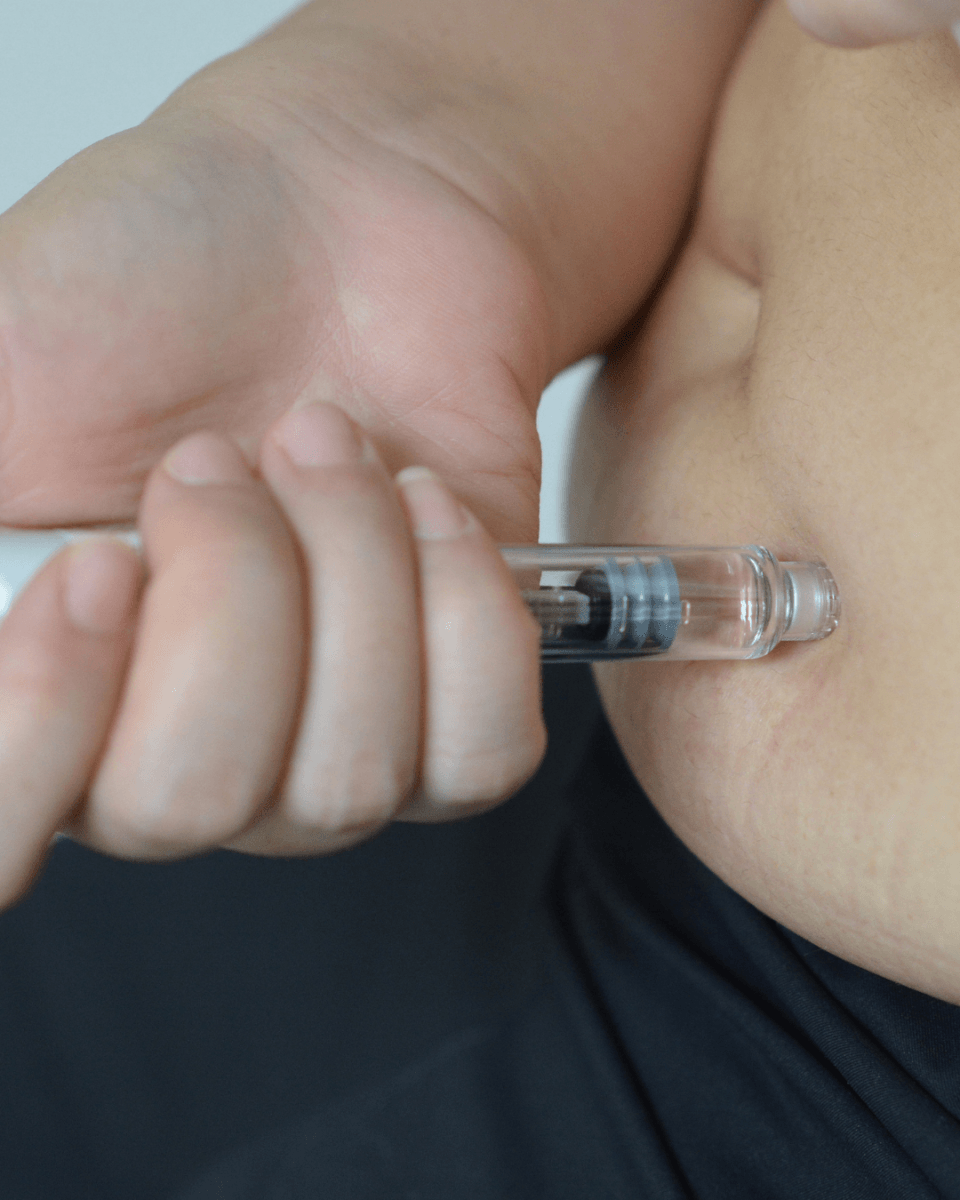
It feels like everywhere you look, someone is losing weight.
A celebrity appears on your social media feed looking noticeably smaller than they did a few months ago.
A friend mentions they have started a weight loss medication.
Someone at work is talking about their latest results.
A family member casually asks if you’ve ever considered trying it too.
The conversation around weight loss has changed rapidly over the past few years and many women are finding themselves caught in the middle of it.
For some people, weight loss medications have been genuinely life changing. They have helped improve health outcomes, supported medical conditions and opened doors that previously felt closed.
At the same time, the growing visibility of these medications is influencing the way many women think about their own bodies, regardless of whether they ever plan to use them.
That influence deserves a conversation of its own.
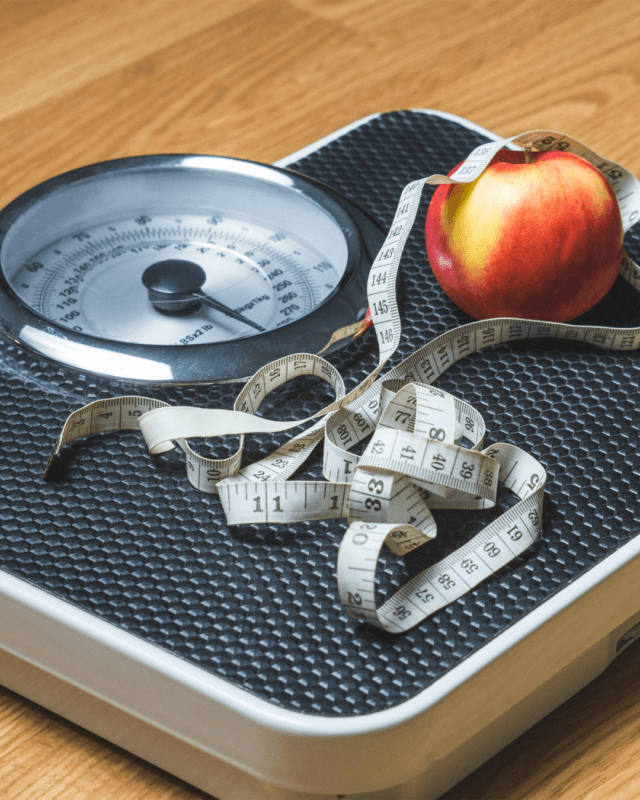
When Weight Loss Starts To Feel Like The New Normal
Most of us understand that comparing ourselves to others isn’t particularly helpful.
That doesn’t stop comparison from happening.
Human beings naturally look around to understand where they fit in the world. We compare parenting, careers, relationships and appearance.
Body image has always been vulnerable to comparison.
What feels different now is the speed at which bodies appear to be changing.
For years, women have been exposed to edited images, unrealistic beauty standards and messages about shrinking themselves.
Now there is an added layer.
Many women are seeing dramatic physical changes happening in real time. Not over several years. Not after a long fitness journey. Sometimes over a matter of months.
When those changes become more visible, they can quietly shift our perception of what is normal.
A weight loss journey that once seemed gradual may now feel slow.
A healthy rate of progress may suddenly feel disappointing.
Women who were feeling proud of their efforts can begin questioning whether they’re doing enough.
The Pressure That Often Goes Unspoken
One of the more difficult parts of this conversation is that the pressure doesn’t always come from obvious places.
Sometimes it comes from social media.
Sometimes it comes from conversations with friends.
Sometimes it comes from family members who genuinely believe they are being helpful.
A comment such as “Have you thought about trying Ozempic?” may be intended as support.
For the person receiving it, the message can feel very different.
It can reinforce the belief that their body is a problem that needs solving.
It can create the impression that weight loss should now be easier, faster or more achievable than before.
For some women, particularly those who have spent years navigating body image challenges, these messages can land heavily.
The Emotional Side Of Weight Loss Is Often Overlooked
One assumption that frequently appears in conversations about weight loss is that losing weight automatically leads to confidence, happiness and self-acceptance.
Many women know from experience that life is rarely that simple.
Body image isn’t created by a number on the scale.
It is shaped by years of experiences, beliefs, relationships and messages about what our bodies should look like.
A woman who struggles with body image today may continue to face those same challenges after weight loss.
The size of her body may change while the way she speaks to herself remains exactly the same.
That doesn’t mean weight loss goals are wrong.
It simply reminds us that body image and body weight are not the same thing.
Why This Conversation Matters For Mums
Motherhood can already place women under significant pressure.
There is pressure to recover after birth.
Pressure to return to exercise.
Pressure to regain confidence.
Pressure to balance family life while still looking after yourself.
Many mums are carrying responsibilities that leave very little time or energy for themselves.
When messages about rapid weight loss become part of that environment, it can create another layer of expectation.
Some women may begin wondering why their bodies don’t look a certain way.
Others may question whether they’re doing enough.
Some may feel guilty for wanting to lose weight while others may feel guilty for not wanting to.
None of these experiences are unusual.
They are a reflection of the complex relationship many women have with their bodies.
A Smaller Body Does Not Automatically Mean Better Health
One of the challenges Louise discussed in her presentation is how easy it becomes to assume that weight loss and health are the same thing.
In reality, health is much broader.
Health includes strength.
It includes energy.
It includes sleep, mobility, mental wellbeing, confidence and quality of life.
A woman may lose weight and become healthier.
A woman may also improve her health without significant weight loss.
Both experiences are valid.
This is one reason MumSafe focuses so heavily on what your body can do rather than what it looks like.
Your ability to pick up your child without pain, feel strong during daily life, enjoy movement and have the energy to participate in life matters.
Those things deserve attention too.
Supporting Yourself Through The Noise
The conversation around weight loss medications is unlikely to disappear anytime soon.
As their use becomes more common, women will continue hearing different opinions, experiences and stories.
The challenge is learning how to stay connected to your own values while all of that information is swirling around you.
That might mean:
- Taking breaks from accounts that trigger comparison
- Paying attention to how certain conversations make you feel
- Focusing on health behaviours rather than outcomes you cannot fully control
- Setting goals around strength, energy and consistency
- Celebrating progress that has nothing to do with body size
- Seeking support from professionals who understand women’s health
Most importantly, it means remembering that your worth has never been determined by your weight.
Creating A Different Definition Of Success
One of the most powerful things we can do is broaden the way we define progress.
Weight may be one part of someone’s health journey.
It is rarely the whole story.
Progress might look like feeling stronger after having a baby.
It might look like sleeping through the night for the first time in months.
It might be returning to exercise after a difficult season.
It might be walking into a room without criticising yourself.
Those wins deserve recognition too.
The goal isn’t to ignore body image concerns or pretend they don’t exist.
The goal is to create enough space for other measures of success to matter as well.
Find Support That Looks Beyond The Scale
At MumSafe™, we believe women deserve support that recognises the whole person, not just a number on the scale.
Whether your goal is to build strength, improve confidence, return to exercise after having children or simply feel more at home in your body, working with the right support team can make all the difference.
👉 Click here to find a MumSafe™ Trainer near you or online.
Are You A Trainer Who Wants To Better Support Women?
If you’re a fitness professional who wants to confidently support women through pregnancy, postpartum, perimenopause and beyond, MumSafe™ provides education, mentorship and community.
👉 Express your interest in joining the MumSafe™ team here.
Mum-focused author, educator and business owner, Jen Dugard is on a mission to ensure every woman is safely and effectively looked after when she becomes a mother. She is a highly qualified trainer and fitness professional educator and has been specialising in working with mums for over a decade. MumSafe is the go-to place online for women to find mum-focused fitness services that are all accredited, experienced and partnered with women’s health physios so you know you are in very safe hands.