
When Postpartum and Perimenopause Collide

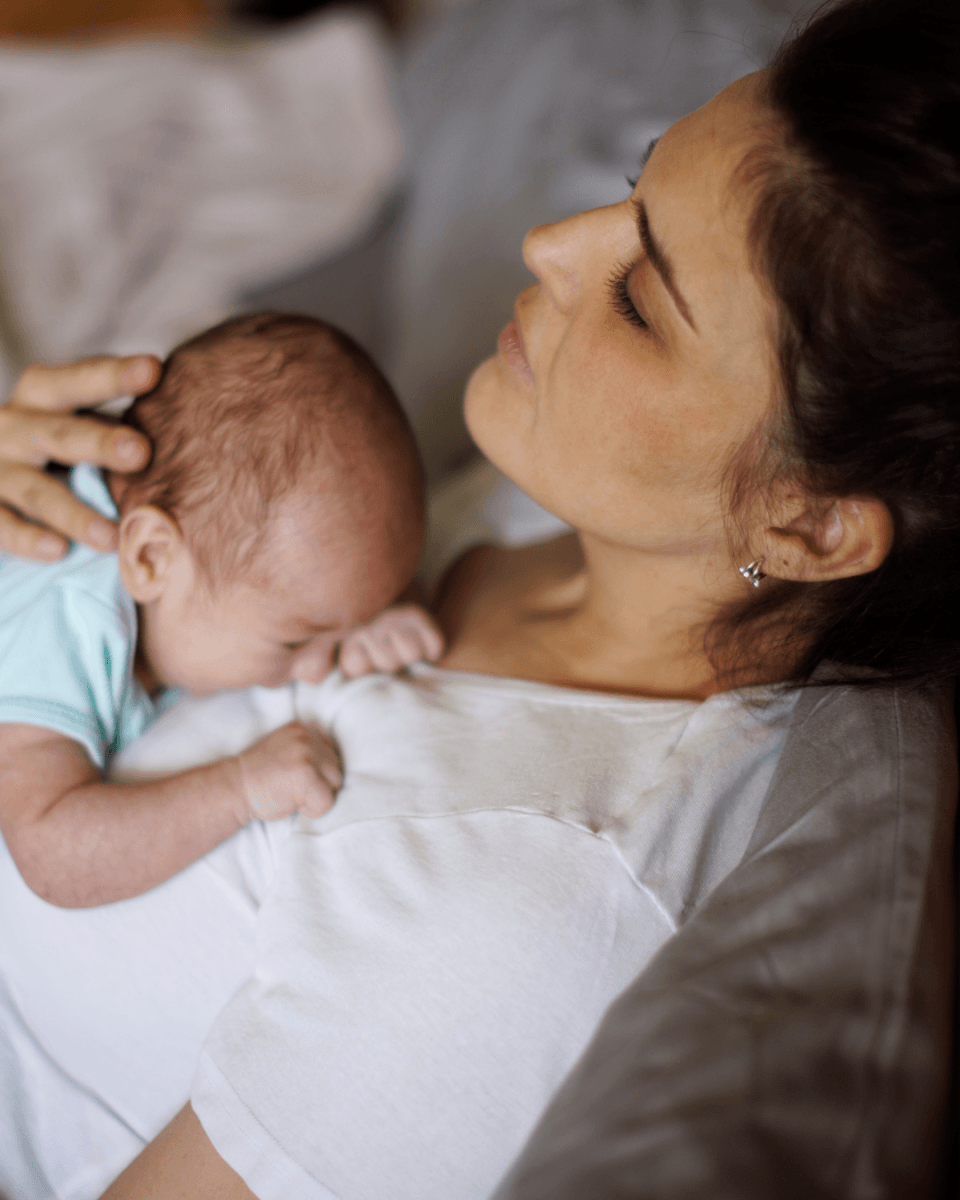
More mums than ever are having babies in their late thirties and forties, which means a growing number of women are navigating something rarely talked about. Postpartum recovery and the early stages of perimenopause showing up at the same time.
Educator Mish Wright, drawing on the latest research from neuroscientist Lisa Mosconi, describes it as messy, because it doesn’t follow a neat timeline. There’s no clean point where postpartum ends and perimenopause begins. For some women, the two genuinely overlap.
Why This Is So Easy to Miss
Perimenopause typically begins somewhere between 46 and 47 on average, though it can start up to ten years earlier for some women. If you’re mothering a baby or toddler in your early forties, it’s entirely possible your body has already begun that transition without you realising, because so many of the symptoms look remarkably similar to ordinary postpartum exhaustion.
Poor sleep. Brain fog. Mood shifts. Aching joints. Low libido. Every one of these can be explained away as “just being a new mum,” when for some women, hormonal changes linked to perimenopause are also playing a role. Separating the two can be genuinely difficult, even for the woman living through it.
The Brain Connection Nobody Talks About
One of the more fascinating threads in Mosconi’s research is what happens in the brain during both postpartum and perimenopause. Brain imaging shows a similar pattern of reduced connectivity in both phases, dimming down after birth, and again during perimenopause, before gradually recovering.
That “mummy brain” so many women describe after having a baby isn’t dismissible fog. It shows up on a scan. And the same appears to be true of the brain fog reported by roughly 62 percent of women during perimenopause. Neither condition has historically been taken seriously in general medicine, partly because women’s health research has focused overwhelmingly on fertility and reproduction, leaving everything else, including brain health, chronically under-studied.
What’s Actually Happening Hormonally
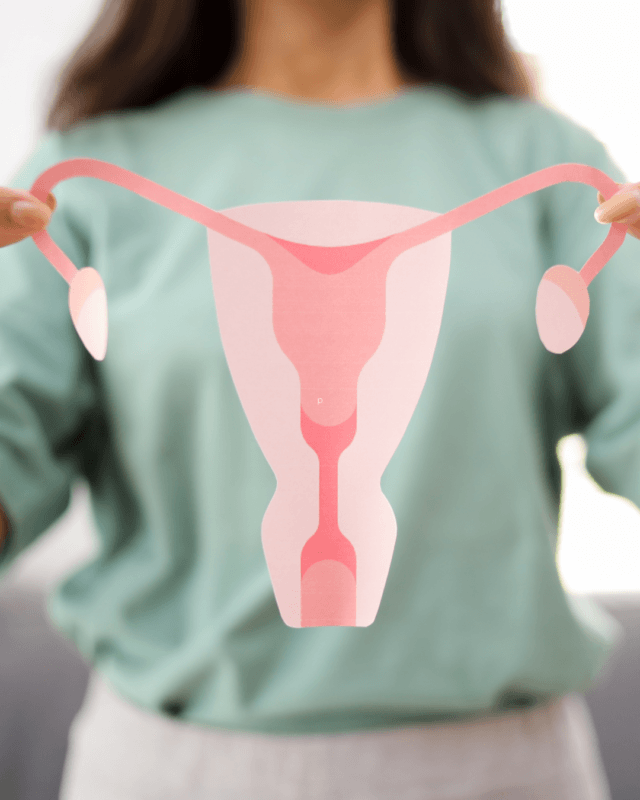
Estrogen does far more than regulate the reproductive cycle. It plays a role in temperature regulation, memory, skin and tissue elasticity, bone density, liver function, and even heart health. When estrogen drops, whether temporarily postpartum or more significantly during perimenopause, all of these systems can be affected.
This is part of why prolapse risk increases during perimenopause specifically. Lower estrogen means lower collagen production, and less elasticity throughout connective tissue. It’s also why recovery from exercise can suddenly feel harder and more painful than it used to, since estrogen has a natural anti-inflammatory effect that lessens as levels decline.
For women navigating postpartum recovery while also entering perimenopause, these effects can compound. It’s not simply tiredness from having a newborn. There may be a genuine hormonal shift happening underneath it.
Hormone Therapy: What the Research Actually Says
For decades, fear around hormone therapy and breast cancer has kept many women from considering an option that could meaningfully improve their quality of life. Much of that fear traces back to a large study from the early 2000s involving mostly postmenopausal women aged 50 to 79, findings that were widely reported without important context.
The actual numbers are worth sitting with. A woman’s baseline risk of breast cancer between ages 50 and 60 sits around 2.33 percent. Even with the increase reported in that study, the risk moves to roughly 2.94 percent. Compare that to the known increased risk from regular alcohol consumption or smoking, both considerably higher, and the picture looks quite different to the one that’s persisted in public conversation for twenty years.
Updated 2022 guidelines from the North American Menopause Society now state that most healthy women under 60, or within ten years of their last period, can consider hormone therapy without the fear that’s shaped the conversation for so long. It’s approved for hot flushes, osteoporosis and genital urinary symptoms including prolapse and incontinence, and increasingly recommended for sleep disturbance, mood symptoms and brain fog too.
Hormone therapy isn’t the only option, and it doesn’t work for everyone. But it deserves to be discussed as a legitimate one, not dismissed out of outdated fear.
Why Movement Still Matters, Even When Everything Feels Harder
Women in their forties are statistically among the least consistent exercisers, often because life at this stage is genuinely full. Young children, ageing parents, more responsibility at work, and the mental load of running a household all compete for the same limited energy.
Yet this is exactly the stage where movement matters most. Strength and resistance training support mood, muscle and bone density. Cardiovascular exercise has been shown to help with hot flushes and brain fog specifically. Flexibility work like yoga supports stress reduction and sleep. None of it needs to be extreme. Moderate, consistent movement appears to offer real benefit, and the type that actually gets done consistently will always outperform the perfect plan that doesn’t.
A Different Way to Frame It
Not every culture views this stage of life the way it’s often framed in the West. In Japan, the word for menopause translates roughly to renewal and energy, rather than ending or decline. Women who hold a more positive view of menopause tend to report milder symptoms and an easier transition through it, which says something meaningful about how much mindset shapes experience here.
If you’re currently in the thick of early motherhood and something feels different to what you expected, more than tiredness, more than the usual chaos of a new baby, it may be worth having a conversation with a doctor who understands perimenopause specifically, not just general practice. Asking your own mother about her experience can also offer useful clues, since patterns often run in families.
Postpartum and perimenopause colliding isn’t common territory in most conversations about motherhood, but it’s real for a growing number of women. Naming it is often the first step toward getting the right support.
Find a MumSafe™ Trainer near you or online and train with someone educated in women’s health, postnatal recovery and safe, progressive exercise. Sessions are designed to support your recovery, your strength and your wellbeing as a whole person, not just your fitness goals.
👉 Click here to find a MumSafe™ Trainer near you or online.
Are you a trainer who wants to better support women through every life stage?
If you’re a fitness professional wanting to deepen your understanding of how postpartum recovery and perimenopause can overlap, and how to support women through hormonal changes at every stage of motherhood, MumSafe™ provides education, mentorship and community to help you feel confident guiding women through it all.
👉 Express your interest in joining the MumSafe™ team here.
Mum-focused author, educator and business owner, Jen Dugard is on a mission to ensure every woman is safely and effectively looked after when she becomes a mother. She is a highly qualified trainer and fitness professional educator and has been specialising in working with mums for over a decade. MumSafe is the go-to place online for women to find mum-focused fitness services that are all accredited, experienced and partnered with women’s health physios so you know you are in very safe hands.