
Breathwork for Trainers: The Missing Link Between Movement, Mind, and Recovery

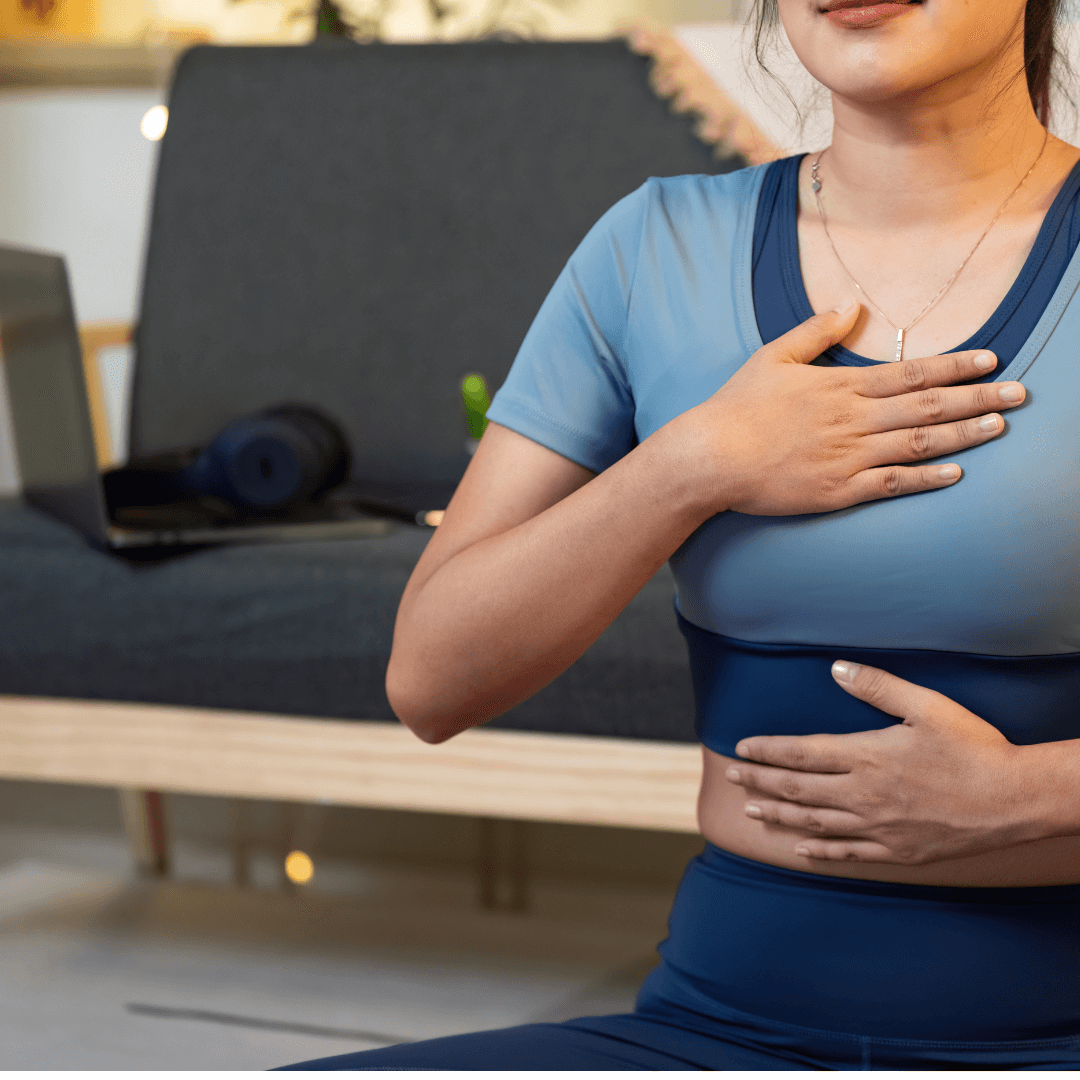
In the fitness industry, we often talk about posture, strength, and technique, but not enough about the one thing that supports them all: the breath.
Breathwork is one of the simplest and most powerful tools for improving performance, recovery, and emotional balance. Yet, many people, trainers and clients alike, spend their days over-breathing and missing the benefits of breathing well.
In the recent MumSafe™ Education Masterclass, Advanced Breathwork Facilitator and Coach Amy Stuth shared how something as natural as breathing can completely change how we move, train, and feel.
Why Breathwork Matters for Trainers
Unlike other automatic body functions, breathing is unique, it happens on its own, but we can also consciously control it. This makes breathwork a powerful bridge between the body and mind, allowing trainers and clients to:
- Regulate stress and energy
- Support recovery and focus
- Enhance cardiovascular endurance
- Reduce anxiety and promote calm
- Improve sleep and emotional resilience
When women learn how to use their breath intentionally, they gain access to greater stability, control, and confidence, both in exercise and in everyday life.
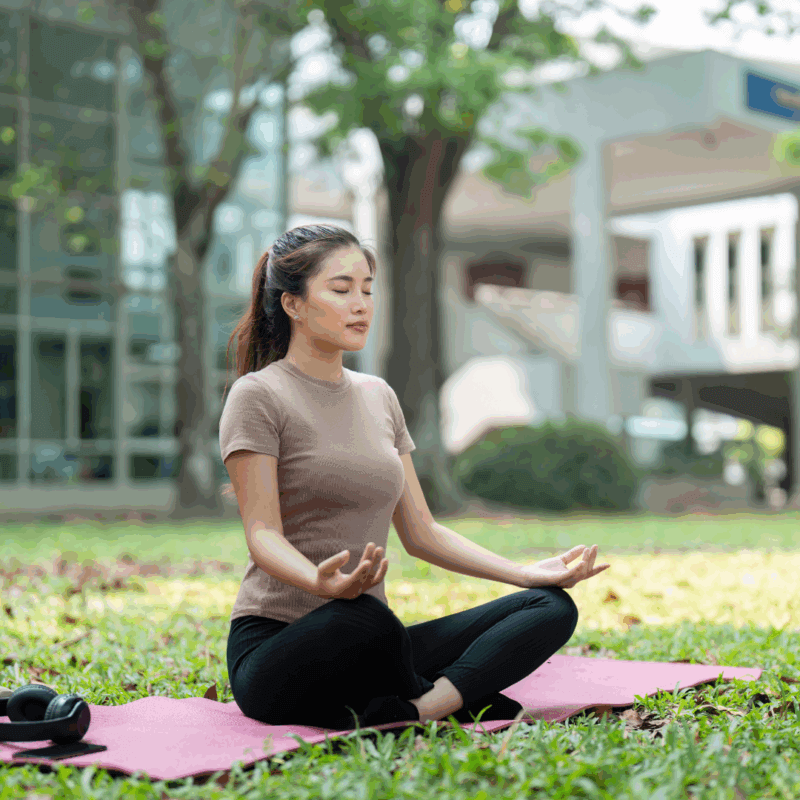
The Problem: Over-Breathing and Mouth Breathing
Around half of the population chronically over-breathes, taking shallow, rapid breaths into the chest instead of deep, rhythmic breaths into the belly.
Over time, this pattern can lead to:
- Increased stress and anxiety
- Poor oxygen and carbon dioxide balance
- Decreased endurance and faster fatigue
- Type 2 diabetes
- Poor posture and core activation
Mouth breathing is another common issue. When we breathe through the mouth, we bypass the natural filtration, temperature control, and nitric oxide production that happens during nasal breathing. This affects oxygen efficiency, energy levels, and even sleep quality.
The Power of Nasal Breathing
Nasal breathing is the foundation of optimal performance and recovery. Research shows it improves oxygen uptake, increases nitric oxide (a natural vasodilator), and supports better cardiovascular health.
For clients, especially postnatal mums rebuilding their core… diaphragmatic (belly) breathing helps connect the respiratory system to the pelvic floor. Each inhale lengthens the core; each exhale contracts it, laying the groundwork for safe strength training.
When training or walking, encourage nasal breathing where possible. It may slow the pace initially, but it builds endurance, reduces over-breathing, and enhances long-term fitness efficiency.
Breath and the Nervous System
Breath is one of the fastest ways to shift the nervous system.
- Inhalation activates the sympathetic (“fight or flight”) response, energising the body.
- Exhalation activates the parasympathetic (“rest and digest”) response, calming the body.
That means if a client feels anxious, overwhelmed, or fatigued, simply extending the exhale (for example, breathing in for four counts and out for eight) can instantly calm their system.
If they need energy, faster, rhythmic breathing (such as “breath of fire”) can quickly awaken the body and sharpen focus without relying on caffeine or overstimulation.
Simple Breathwork Practices Trainers Can Teach
While deep breathwork journeys require specialist facilitation, trainers can safely guide clients through basic techniques to enhance movement quality and mindfulness.
- Belly Breathing – Encourage slow, full breaths into the belly and ribs. This helps release tension and improves posture and core coordination.
- 4-8 Breathing – Inhale for four counts, exhale for eight. A quick reset to calm nerves before or after exercise.
- Nasal Walking – Go for a short walk breathing only through the nose. It builds carbon dioxide tolerance and reduces over-breathing.
- Awareness Pause – Notice where the breath sits (chest or belly) before each session. This helps clients tune into their body and slow down.
Even two minutes of focused breathing can shift how a woman moves, lifts, and feels.
Why Breath Matters for Safe, Strong Movement
For mums, breathing isn’t just about oxygen, it’s about connection. Diaphragmatic breathing supports the pelvic floor, helps manage intra-abdominal pressure, and lays the groundwork for rebuilding strength safely after pregnancy.
Breath also plays a vital role in emotional regulation, giving women tools to manage stress, overwhelm, and the mental load that often comes with motherhood.
Breathwork for Trainers Is a Game-Changer
When trainers understand and teach breathwork, they help clients access more than fitness, they help them access calm, clarity, and confidence.
The breath is always available. It costs nothing, takes seconds to use, and can transform how women move through exercise and through life.
Breathwork Is the Foundation of Every Safe Movement
Breathwork isn’t a new trend, it’s a return to what our bodies were designed to do. By reconnecting women to their breath, we create stronger, calmer, and more capable movers for life.
👉 Find your local MumSafe™ Trainer here and take the next step towards feeling strong and supported. Click here to find a MumSafe™ Trainer near you or online.
Are you a trainer ready to specialise in safe, evidence-informed training for women in midlife?
👉 Learn more about joining the MumSafe™ team. Check this link here.
Mum-focused author, educator and business owner, Jen Dugard is on a mission to ensure every woman is safely and effectively looked after when she becomes a mother. She is a highly qualified trainer and fitness professional educator and has been specialising in working with mums for over a decade. MumSafe is the go-to place online for women to find mum-focused fitness services that are all accredited, experienced and partnered with women’s health physios so you know you are in very safe hands.