
Hypermobility and Pelvic Health: What Every Trainer (and Mum) Should Know

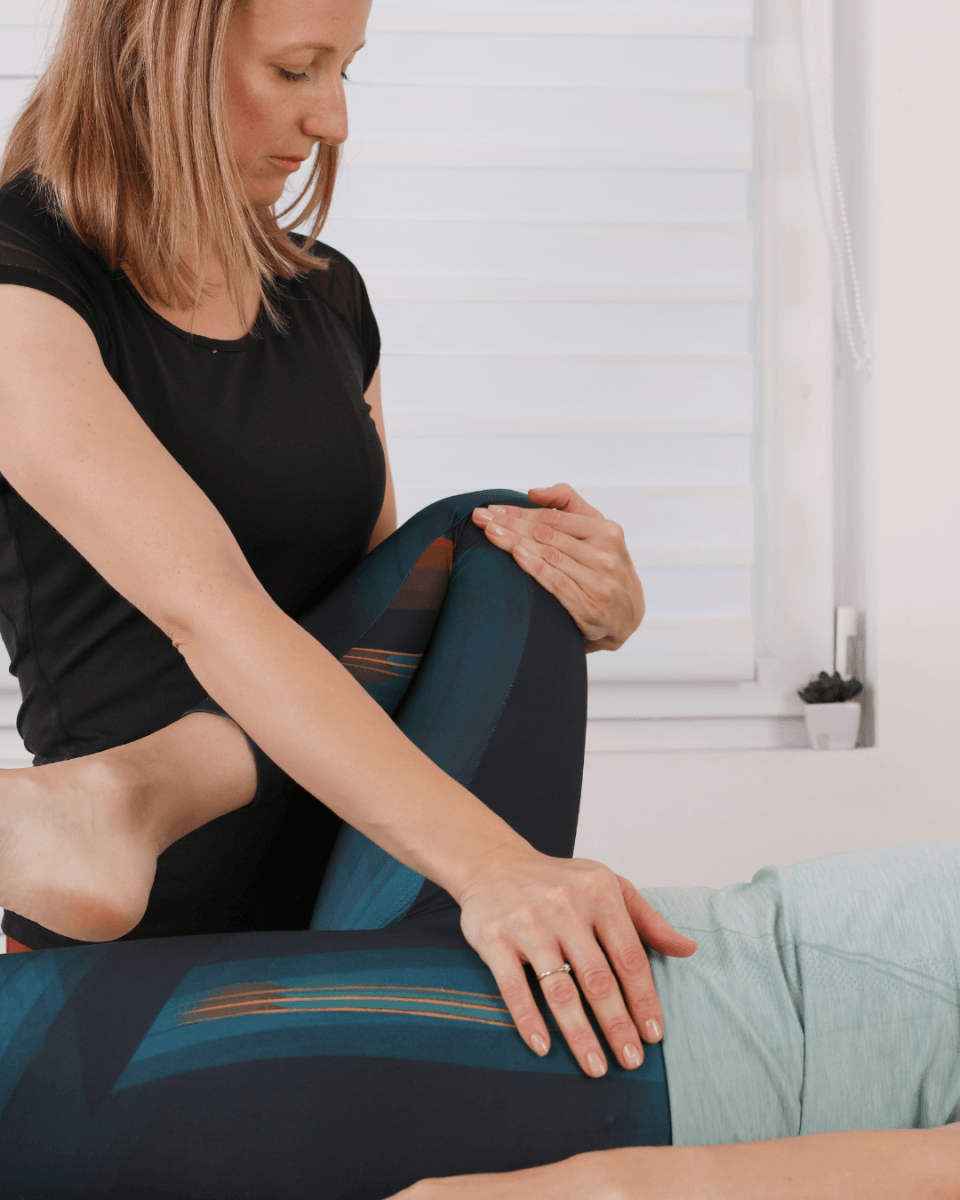
Hypermobility and Pelvic Health: What Every Trainer (and Mum) Should Know
If you’ve ever had a client with a long list of seemingly unrelated symptoms, tired joints, digestive issues, dizziness when standing up, slow healing after a tear or episiotomy, it might not be a coincidence. It could all be connected to one thing: hypermobility.
Most people think of hypermobility as simply being flexible. Bendy elbows, party trick joints, maybe a background in dance or gymnastics. But according to pelvic health physiotherapist Jamie, that’s only a small piece of the picture. Hypermobility is increasingly understood as a connective tissue disorder that can affect the whole body, not just the joints.
What’s Actually Happening in the Body
Hypermobility is usually genetic, linked to how the body produces collagen. Collagen isn’t just in joints and ligaments. It’s found in skin, blood vessels, the gut lining and the tissue of the vagina and mouth. When collagen production is affected, all of these tissues can end up more fragile and less supported than they should be.
That’s why hypermobility rarely shows up as one isolated issue. It can affect digestion, causing constipation or slower gut transit. It can affect the bladder, leading to urgency or incontinence, because a heavier, more stretchy bladder makes the pelvic floor work harder to manage it. It can affect healing, meaning tears, episiotomies and caesarean scars may take longer to recover and are more prone to complications. And it can affect the cardiovascular system too, with symptoms like low blood pressure, dizziness on standing, cold hands and feet, and a nervous system that stays in a slightly higher state of alert than it should.
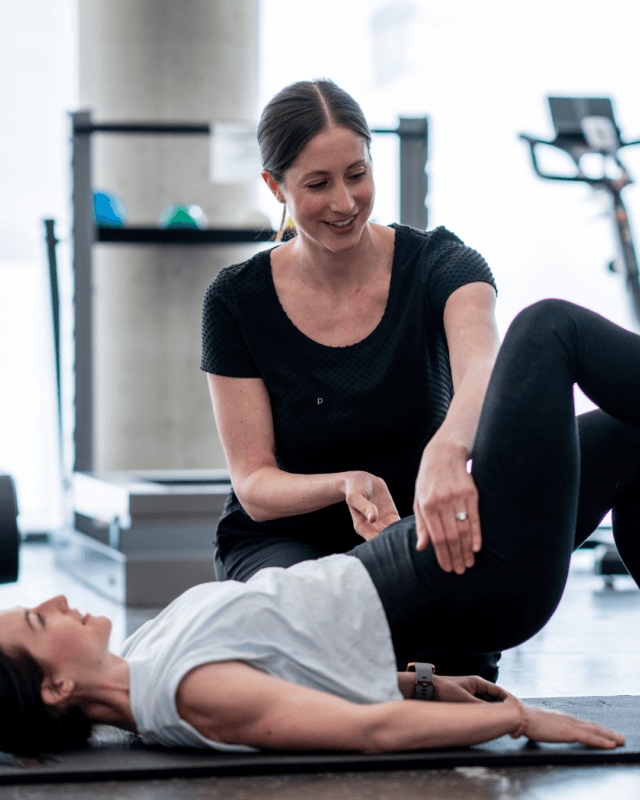
Why This Matters in Pregnancy and Postpartum
Pregnancy and birth already place real demand on connective tissue. Add hypermobility into the mix, and several areas can be affected more significantly. Pelvic girdle pain tends to be more common and more pronounced. Abdominal separation may not close as readily, because the same collagen deficiency that affects joints also affects the linea alba. Prolapse risk can increase, along with a higher chance of postpartum haemorrhage and slower healing of tears or caesarean incisions.
None of this means every mum with a stretchy joint or two needs to worry. Hypermobility exists on a spectrum, and plenty of people sit comfortably at the mild end of it. What matters is recognising the pattern when it shows up. A client who mentions fatigue, digestive troubles, joint pain, slow healing and a general sense that something isn’t adding up may be describing exactly this.
What This Looks Like for Trainers
You’re not expected to diagnose anyone, and that’s not the role. But being aware of the signs means you can ask better questions and refer appropriately when something seems worth a closer look.
A few practical things to keep in mind when working with a client who may be hypermobile:
- Favour low impact movement, especially early on, while she builds better joint control and body awareness
- Prioritise hydration and consider gentle reminders around adequate salt intake if she’s prone to dizziness or low blood pressure, something worth discussing with her doctor rather than prescribing yourself
- Build in regular rest and pacing, rather than pushing straight through a session
- Focus on balance and proprioception work, since joint position sense is often less reliable in hypermobile bodies
- Support nervous system regulation with breathwork or a calmer close to sessions, since hypermobile clients often run with a more activated sympathetic nervous system
- Keep an eye on her throughout every session, since fatigue and injury can creep up more easily than expected
When to Refer On
If a client is showing signs beyond what feels like general flexibility, frequent dizziness or fainting, digestive symptoms that don’t resolve, slow wound healing, or a pattern of pelvic floor symptoms that doesn’t fit the usual picture, it’s worth encouraging her to see her GP or a pelvic health physiotherapist. A referral doesn’t need to feel alarming. Simply having a name for what’s going on, and understanding why so many seemingly separate symptoms are connected, can be genuinely reassuring for a mum who has been told for years that nothing seems to explain how she feels.
The Bigger Picture
Hypermobility is often underdiagnosed and poorly understood, partly because it doesn’t fit neatly into one specialty. A joint issue here, a digestive issue there, a pelvic floor concern somewhere else. Bringing awareness to the connections between them is often the first step toward a client finally getting the right support, and training that’s actually built around what her body needs.
Find a MumSafe™ Trainer near you or online and train with someone educated in women’s health, postnatal recovery and safe, progressive exercise. Sessions are designed to support your recovery, your strength and your wellbeing as a whole person, not just your fitness goals.
👉 Click here to find a MumSafe™ Trainer near you or online.
Are you a trainer who wants to better support breastfeeding and postpartum mums?
If you’re a fitness professional wanting to deepen your understanding of postpartum recovery, breastfeeding considerations and safe programming for mums, MumSafe™ provides education, mentorship and community to help you feel more confident supporting women through every stage of motherhood.
👉 Express your interest in joining the MumSafe™ team here.
Mum-focused author, educator and business owner, Jen Dugard is on a mission to ensure every woman is safely and effectively looked after when she becomes a mother. She is a highly qualified trainer and fitness professional educator and has been specialising in working with mums for over a decade. MumSafe is the go-to place online for women to find mum-focused fitness services that are all accredited, experienced and partnered with women’s health physios so you know you are in very safe hands.