
Navigating Nutrition Through Perimenopause: Supporting Hormones, Energy, and Wellbeing

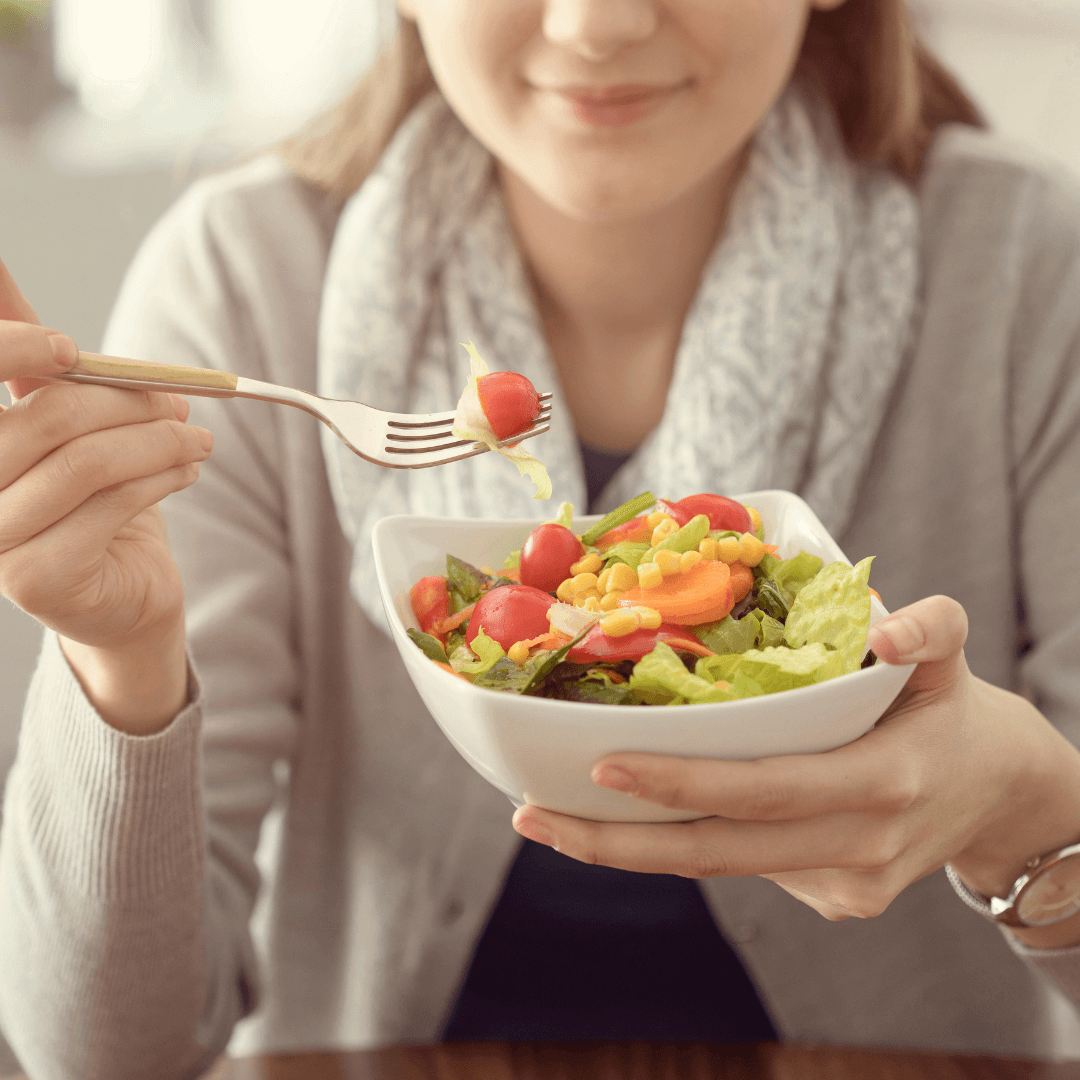
Perimenopause is a natural transition that can start years before menopause, bringing shifts in hormones that affect everything from mood and energy to bone health and muscle strength. While every woman’s experience is different, nutrition plays a key role in supporting the body through this time of change.
Rather than seeing perimenopause as a time of loss, it can be an opportunity to focus on nourishment, strength, and long-term health.
Understanding Perimenopause
Perimenopause is the stage leading up to menopause when hormone levels, especially estrogen and progesterone begin to fluctuate. This can last anywhere from a few years to over a decade.
Common symptoms include:
- Irregular periods
- Hot flushes and night sweats
- Mood swings or anxiety
- Sleep disturbances
- Weight changes, particularly around the midsection
- Reduced muscle mass and bone density
These changes mean the body’s nutritional needs also shift.

Key Nutrition Priorities During Perimenopause
1. Protein for Muscle and Metabolism
Lower estrogen levels can lead to a loss of muscle mass and reduced metabolic rate. Aim for 20–30g of protein at each meal to support strength, recovery, and satiety.
Sources: lean meats, fish, eggs, Greek yogurt, legumes, and tofu.
2. Calcium and Vitamin D for Bone Health
Bone loss can accelerate during perimenopause. Include calcium-rich foods daily, and ensure you’re getting enough vitamin D through safe sun exposure or supplementation if needed.
Sources: dairy products, fortified plant milks (examples: almond milk, soy milk, oat milk, etc) , leafy greens, salmon, and sardines.
3. Healthy Fats for Hormone Support
Omega-3 fatty acids help reduce inflammation, support brain function, and may ease mood changes.
Sources: oily fish, walnuts, chia seeds, flaxseeds, and olive oil.
4. Fibre for Digestion and Blood Sugar Balance
Hormonal fluctuations can affect digestion and increase the risk of blood sugar spikes. Aim for a variety of fibre from vegetables, fruits, legumes, and whole grains.
5. Hydration for Energy and Symptom Relief
Staying hydrated can help reduce hot flushes, improve concentration, and support digestion. Aim for 2 litres of water per day, more if you’re active or in hot weather.
Lifestyle Factors That Work With Nutrition
Nutrition is powerful, but it works best alongside supportive lifestyle habits:
- Strength training to preserve muscle and protect bone density
- Regular movement like walking, swimming, or cycling for cardiovascular health
- Stress management through mindfulness, breathwork, or gentle stretching
- Sleep hygiene to help regulate mood and energy
Avoiding Common Pitfalls
Restrictive diets during perimenopause, especially those that cut out entire food groups can backfire, leading to low energy, nutrient gaps, and muscle loss. A better approach is to focus on adding nourishing foods and creating balanced, satisfying meals to keep your energy stable.
Nourishment as a Form of Self-Care
Perimenopause isn’t about “fixing” your body, it’s about supporting it through a new phase of life. With the right nutrition and lifestyle choices, you can feel strong, energised, and empowered.
MumSafe™ Trainers are educated in women’s health and postpartum recovery, ensuring your return to movement is safe and personalised.
Click here to find a MumSafe™ Trainer near you or online.
If you’re a trainer ready to support women beyond pregnancy and into every stage of motherhood, express your interest in joining the MumSafe™ check this link here.
Mum-focused author, educator and business owner, Jen Dugard is on a mission to ensure every woman is safely and effectively looked after when she becomes a mother. She is a highly qualified trainer and fitness professional educator and has been specialising in working with mums for over a decade. MumSafe is the go-to place online for women to find mum-focused fitness services that are all accredited, experienced and partnered with women’s health physios so you know you are in very safe hands.