
Pelvic Floor Support Machines: What Mums Need to Know Before Investing

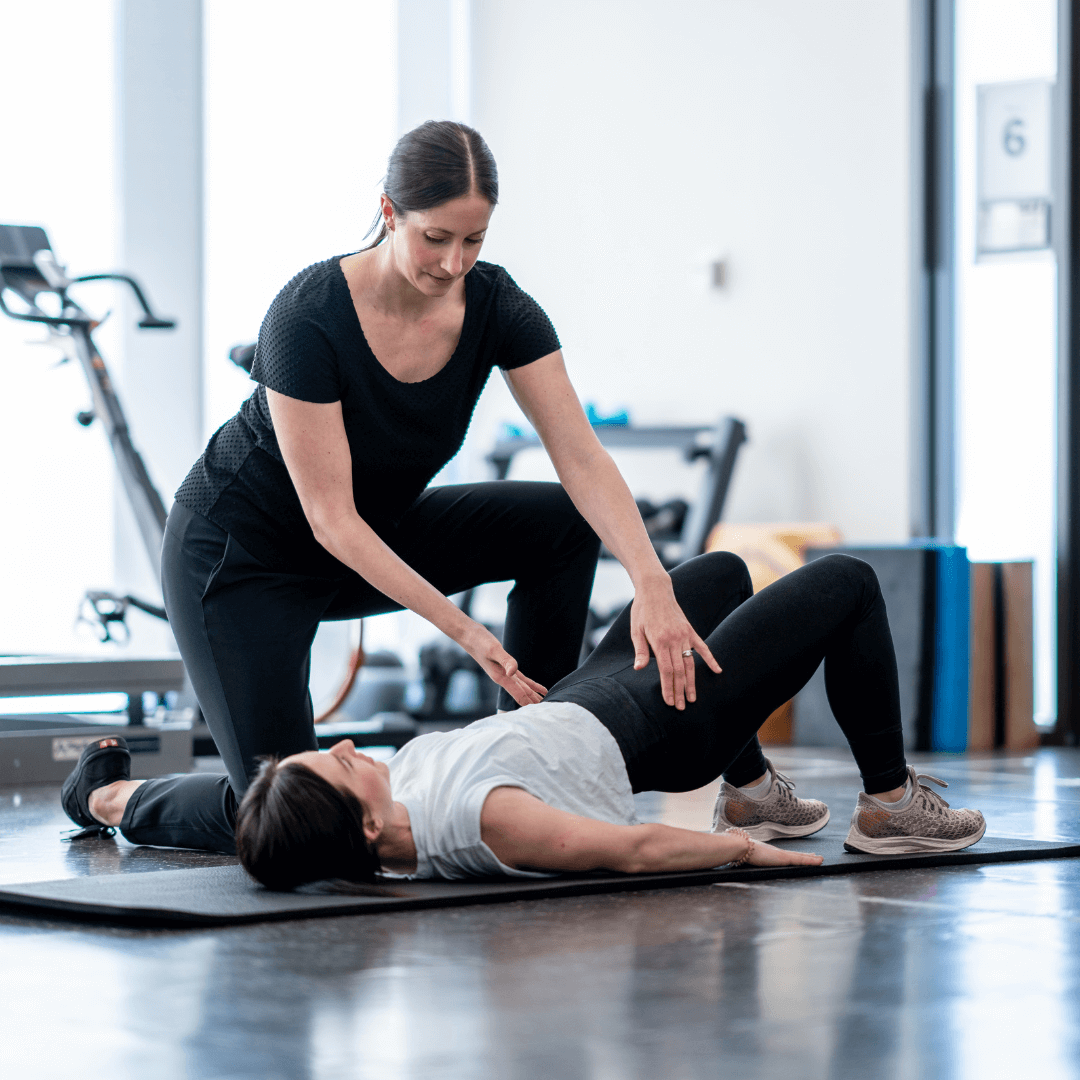
From high-tech electrical stimulation devices to at-home gadgets promising to “fix” leakage in weeks, pelvic floor support machines are becoming more widely marketed to women. While they may sound appealing especially for busy mums, the reality is more complex.
Pelvic floor health is not just about one muscle. It’s about how your core, breath, posture, and daily movement habits all work together. Before spending money on a device, it’s worth understanding how these machines work, what research says, and when they might be appropriate.
How Pelvic Floor Support Machines Work
Pelvic floor support machines vary widely, but many fall into these categories:
- Electrical stimulation devices – send a mild current to activate pelvic floor muscles
- Biofeedback trainers – measure muscle contraction and give visual or audio feedback
- Weighted devices or resistance tools – provide a load for pelvic floor muscles to contract against
The idea is to strengthen the pelvic floor by helping you contract muscles more effectively, or by stimulating them when voluntary contraction is difficult.

The Limitations of a Machine-Only Approach
While machines can be a useful tool in some cases, they are not a complete solution for pelvic floor dysfunction.
Research and clinical experience show that:
- Pelvic floor issues often involve coordination, not just strength, a machine can’t teach you how to manage pressure when you cough, lift, or run.
- Some women experience overactivity (tightness) rather than weakness. In these cases, adding more contractions can make symptoms worse.
- Without addressing posture, breath mechanics, and whole-body movement patterns, gains made with a device may not transfer into daily life.
When a Pelvic Floor Support Machine May Help
These devices may be beneficial if:
- You have difficulty identifying or activating your pelvic floor muscles on your own
- You’re working under the guidance of a women’s health physiotherapist
- You’re recovering from surgery or birth and need a starting point for muscle engagement
- You use the machine alongside a full rehabilitation program, not as a replacement
When to Be Cautious
Avoid or seek professional advice before using a pelvic floor support machine if you:
- Experience pain, heaviness, or worsening symptoms when using it
- Have unresolved pelvic floor overactivity
- Have not been assessed by a women’s health physiotherapist
- Are pregnant or in early postpartum without clearance
The Whole-Body Approach to Pelvic Floor Health
Pelvic floor function is influenced by:
- Breathing patterns – your diaphragm and pelvic floor work together with every breath
- Core coordination – deep abdominal muscles provide essential support
- Posture and alignment – affect how load travels through the pelvic floor
- Daily habits – like lifting technique, toileting posture, and activity choices
A machine can be one small part of the solution, but lasting improvement comes from integrating pelvic floor-friendly strategies into your whole lifestyle.
A Tool, Not a Magic Fix
Pelvic floor support machines can help some mums, but they’re not a stand-alone answer. The most effective path to pelvic floor health is assessment, education, and a personalised exercise plan that considers your whole body.
MumSafe™ Trainers are educated in women’s health and postpartum recovery, ensuring your return to movement is safe and personalised.
Click here to find a MumSafe™ Trainer near you or online.
If you’re a trainer ready to support women beyond pregnancy and into every stage of motherhood, express your interest in joining the MumSafe™ check this link here.
Mum-focused author, educator and business owner, Jen Dugard is on a mission to ensure every woman is safely and effectively looked after when she becomes a mother. She is a highly qualified trainer and fitness professional educator and has been specialising in working with mums for over a decade. MumSafe is the go-to place online for women to find mum-focused fitness services that are all accredited, experienced and partnered with women’s health physios so you know you are in very safe hands.