
Creating Safe, Supportive Exercise Spaces for Mums Navigating Birth Trauma

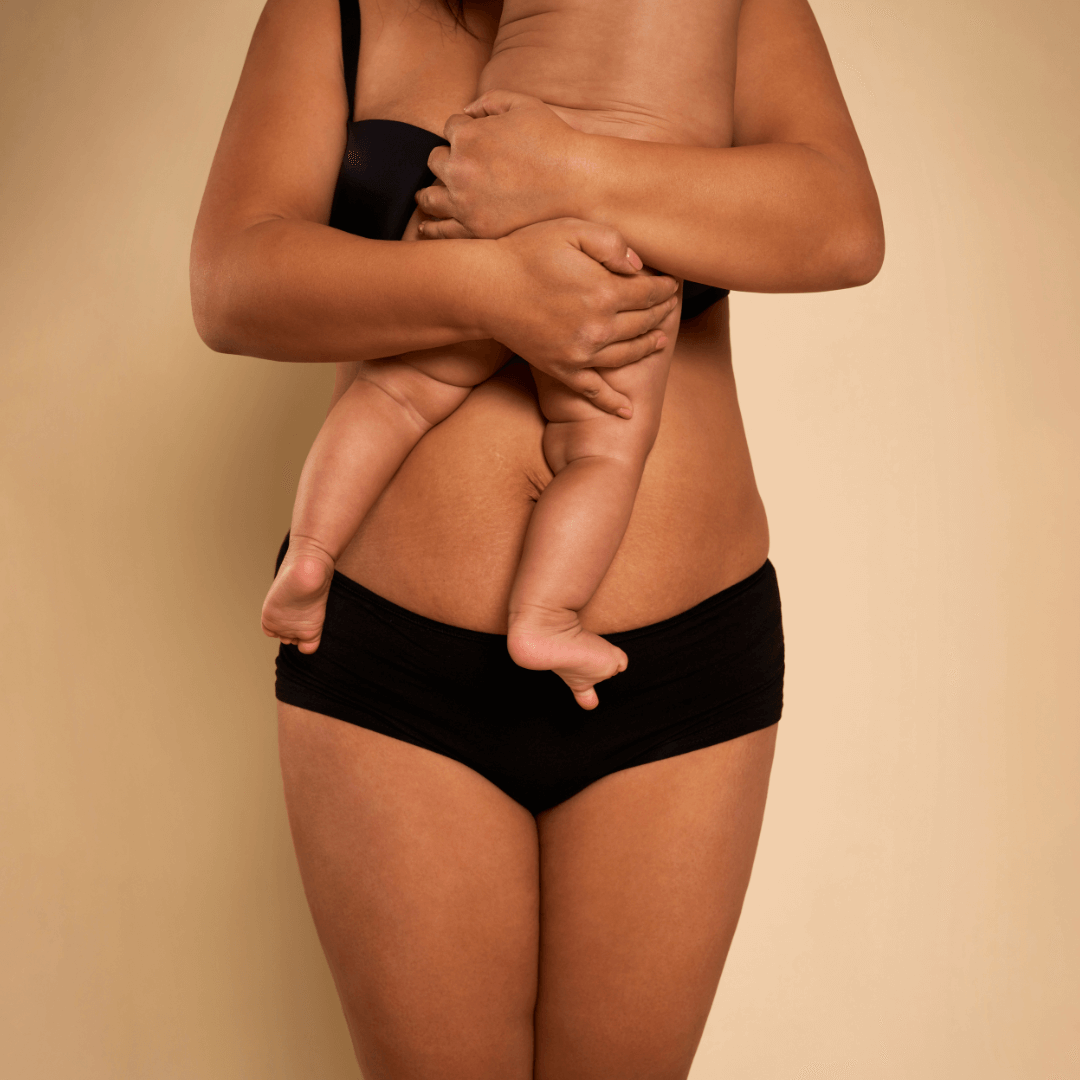
Birth trauma is something many mums quietly carry, long after the moment of birth has passed.
For some, the memory is clear and sharp.
For others, it only shows itself later as anxiety, overwhelm, physical symptoms, or a sense that something about their experience “just wasn’t right.”
And while birth trauma is more common than most people know, far too many mums move through early motherhood believing they have to “get over it” because their baby is healthy.
In this article, I want to help you understand what birth trauma actually is, how it may be affecting your day-to-day, and why safe, supportive movement environments can play a meaningful role in your healing.
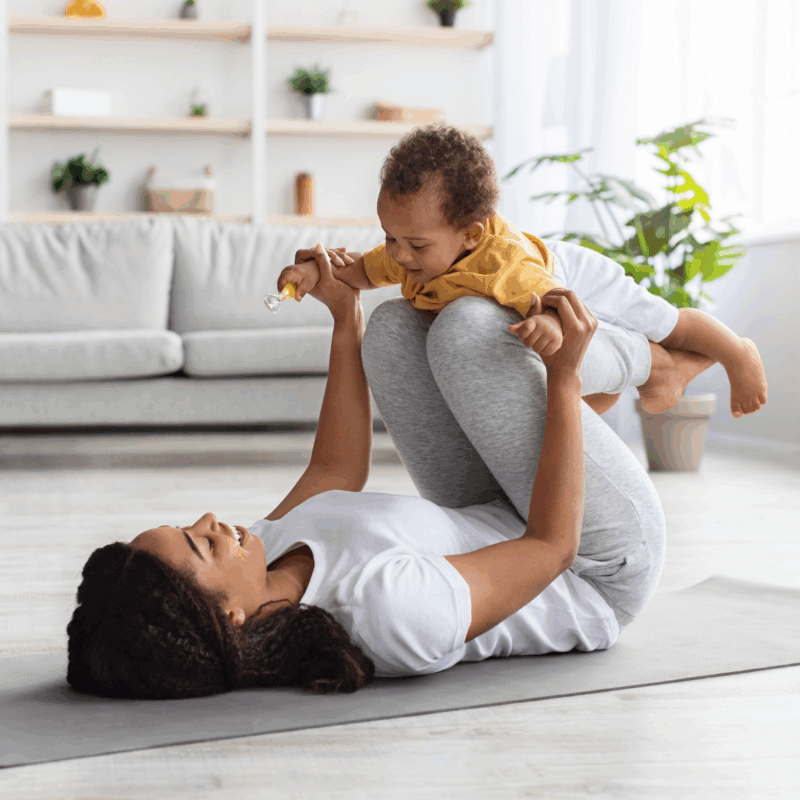
What Birth Trauma Really Is
Birth trauma can be physical, psychological, or a mix of both.
And importantly, trauma is defined by how the experience felt to you, not by how it looked to anyone else.
Physical Birth Trauma
Physical trauma may include:
- Perineal tears
- Pelvic floor injuries
- Prolapse
- Caesarean complications
- Pain that lingers long after birth
- Difficult wound healing
- Medical interventions that felt frightening or unexpected
These are the things most mums feel “allowed” to talk about — because they feel concrete, medical, factual.
But for many women, the deepest impact sits below the surface.
Psychological Birth Trauma
Psychological trauma is just as real, and often much harder for mums to recognise or speak about.
It may begin during pregnancy, during labour, or in the early postnatal period.
Common triggers include:
- Feeling unheard or unsupported during birth
- Feeling rushed, pressured, or out of control
- Fear for your baby’s health
- Unexpected interventions
- Obstetric violence
- Feeling judged or dismissed
- Grief over a birth that went differently than you hoped
These experiences can show up later as:
- Anxiety or panic
- Flashbacks or intrusive thoughts
- Feeling on edge or easily overwhelmed
- Trouble sleeping
- Low mood or hopelessness
- Guilt or self-blame
- Avoiding conversations about birth
- Difficulty bonding with your baby
- Feeling disconnected from your body
None of these responses are signs of weakness.
They are normal reactions to an experience that felt unsafe or overwhelming.
Why Birth Trauma Matters in Motherhood
When a mum carries birth trauma, it doesn’t stay in the delivery room.
It can influence:
- How confident she feels
- How she responds to stress
- Her sense of identity
- Her ability to rest
- Her connection with her baby
- Her relationship with movement and exercise
- Her emotional and physical wellbeing
And because society often tells mums to “focus on the healthy baby,” many women ignore or minimise their own needs — sometimes for months or years.
But you matter.
Your healing matters.
Your story matters.
How Birth Trauma Can Affect Exercise
Movement can be healing, grounding, and empowering — but only when the environment feels safe.
Many mums navigating birth trauma experience:
1. Guilt for taking time for themselves
You may feel torn between caring for your baby and caring for yourself.
But your wellbeing supports your whole family.
2. Feeling overwhelmed or “stuck”
Leaving the house, joining a class, or trying something new can feel huge.
This is a completely valid response to trauma.
3. Perfectionism or a strong need for control
Some mums throw themselves into exercise as a way to manage uncertainty.
A safe environment helps you move with awareness rather than pressure.
4. Disconnection from your body
Trauma can make it hard to sense what your body needs or when something doesn’t feel right.
Gentle, mindful movement supports reconnection.
5. Avoidance of environments that feel triggering
Bright lights, loud equipment, or clinical settings may bring up difficult memories.
Warm, calm spaces make a difference.
Why Safe, Supportive Exercise Spaces Matter
A trauma-aware trainer creates an environment where you can:
- Move at your own pace
- Take breaks without explanation
- Ask questions without judgement
- Express emotions safely
- Feel seen, not dismissed
- Be supported, not compared
- Build trust in your body again
This is not about “bouncing back.”
It’s about rebuilding confidence and connection… gently, slowly, and with care.
Movement as Part of Healing
Exercise is more than physical strength. It can:
Help regulate your nervous system
Breathing, grounding, and gentle activation can help you feel calmer and more centred.
Support emotional wellbeing
Moving in a safe environment helps create moments of peace, presence, and self-connection.
Build confidence in your body
You slowly rediscover strength, stability, and trust in your body — on your own timeline.
Offer community and connection
Being around other mums who understand can be deeply healing.
Your birth experience matters, not because it defines you, but because it shaped what you’ve carried forward.
And while you can’t change what happened, you can be supported as you heal.
You deserve:
- To feel safe
- To be heard
- To move without fear
- To rebuild trust in your own body
- To receive care, not judgement
- To take up space in your own recovery
Birth trauma support for mums is not about fixing you.
It’s about supporting you — emotionally, physically, and compassionately.
You Don’t Have to Navigate This Alone
MumSafe™ Trainers are specially educated in women’s health and postnatal recovery.
Many are also trained to understand the emotional reality of birth trauma and work closely with Women’s Health Physiotherapists.
We’re here to help you move safely, gently, and confidently — at your pace, in your time.
👉 Find a qualified MumSafe™ Trainer near you or online. Click here to find a MumSafe™ Trainer near you or online.
If you’re a trainer wanting to support women through safe, trauma-informed postnatal exercise:
👉 Learn more about joining the MumSafe™ team. Check this link here.
Mum-focused author, educator and business owner, Jen Dugard is on a mission to ensure every woman is safely and effectively looked after when she becomes a mother. She is a highly qualified trainer and fitness professional educator and has been specialising in working with mums for over a decade. MumSafe is the go-to place online for women to find mum-focused fitness services that are all accredited, experienced and partnered with women’s health physios so you know you are in very safe hands.