
Exercise in Perimenopause: A Critical Window for Women’s Health

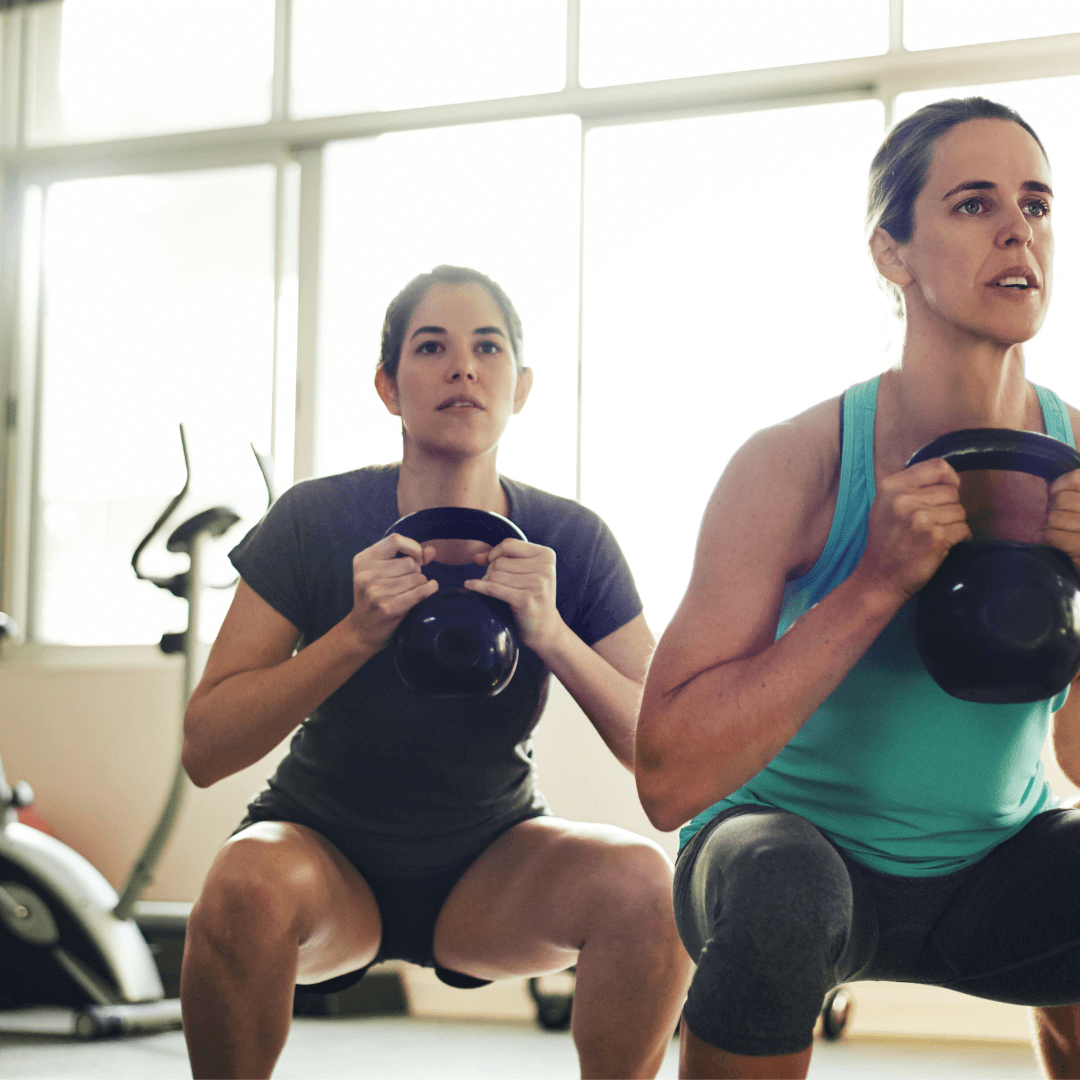
Perimenopause is often called the “messy middle.” It’s the transition between a woman’s reproductive years and menopause, and while it is a natural stage of life, it brings profound hormonal shifts that affect the whole body.
For women, this phase can start as early as the late 30s and may last up to a decade. Despite being a universal experience, too many women enter perimenopause without guidance or support. And yet, this period is one of the most important windows of opportunity for health interventions.
What Is Perimenopause?
Perimenopause is the time leading up to menopause, marked by fluctuating hormones and irregular cycles. The ovaries start working on a “part-time” basis, sometimes producing hormones smoothly, other times skipping ovulation altogether.
Common signs of perimenopause include:
- Changes in menstrual cycles (shorter, longer, heavier)
- Night sweats and disrupted sleep
- Mood swings or brain fog
- Weight gain without changes to diet or activity
- New migraines or breast tenderness
It’s often described as a “second puberty” because of the unpredictable hormonal changes.
Why This Stage Matters
Perimenopause is more than symptoms, it’s a turning point in long-term health. Within 10 years of menopause, women face increased risk of:
- Osteoporosi
- Dementia
- Cardiovascular disease
- Type 2 diabetes
- Certain cancers
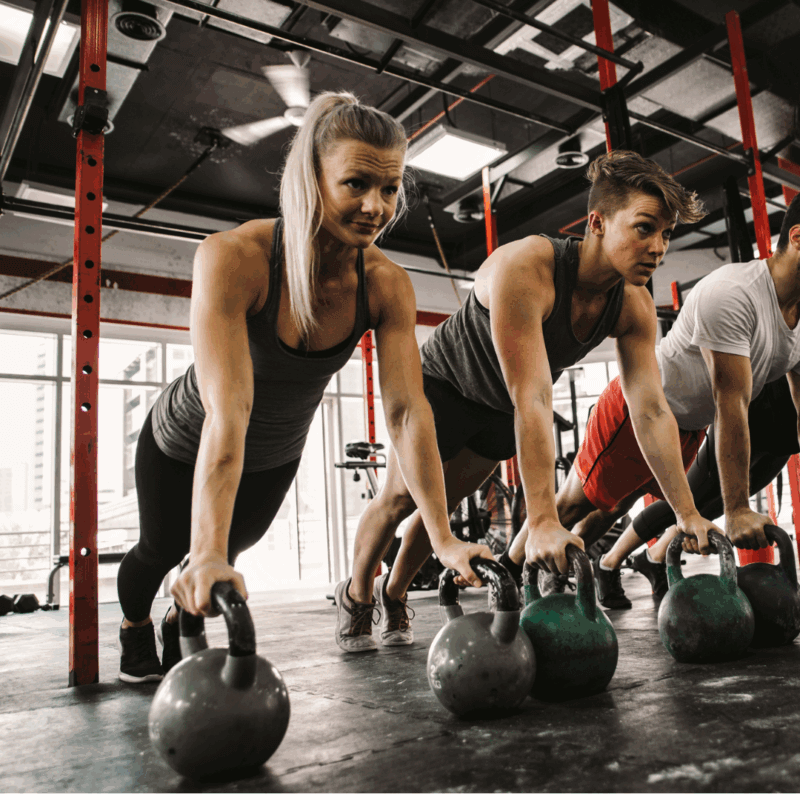
The good news? Exercise is one of the most powerful tools to lower these risks and improve quality of life.
The Role of Exercise in Perimenopause
Movement is not optional, it’s essential. But it’s not about doing more; it’s about doing what works best for the changing body.
Key exercise goals during perimenopause include:
- Preserving lean muscle mass – Strength training helps offset the natural loss of muscle that accelerates in midlife.
- Protecting bone density – Resistance training, impact work (like jumps or step-ups), and multidirectional movement are crucial to reduce fracture risk.
- Supporting cardiovascular health – Interval training (HIIT or SIT) improves heart and metabolic health without excessive stress.
- Improving balance and mobility – Functional, ground-up training reduces fall risk and supports daily life.
- Managing stress and sleep – Gentle movement, restorative exercise, and recovery strategies are just as important as intensity.
Beyond the Workout
Perimenopause doesn’t happen in isolation. It overlaps with careers, parenting, aging parents, and life’s heaviest loads. Trainers and women alike need to consider:
- Sleep quality
- Stress management
- Nutrition
- Emotional wellbeing
Tracking cycles and symptoms can also empower women to notice patterns, have informed conversations with their GP, and make lifestyle choices that support them through this transition.
Exercise in Perimenopause Is a Lifelong Investment
Perimenopause is not the end of strength, vitality, or joy in movement. It is a call to shift how we train, recover, and support women. With the right approach, this stage can be a launchpad for a strong, healthy, and fulfilling second half of life.
Mums deserve fitness spaces that acknowledge this transition, not dismiss it. They deserve trainers who understand the hormonal changes shaping their energy, mood, and recovery.
MumSafe™ Trainers are specially trained to support women safely through perimenopause and beyond, always in collaboration with Women’s Health Physiotherapists.
👉 Find your local MumSafe™ Trainer here and take the next step towards feeling strong and supported. Click here to find a MumSafe™ Trainer near you or online.
Are you a trainer ready to specialise in safe, evidence-informed training for women in midlife?
👉 Learn more about joining the MumSafe™ team. Check this link here.
Mum-focused author, educator and business owner, Jen Dugard is on a mission to ensure every woman is safely and effectively looked after when she becomes a mother. She is a highly qualified trainer and fitness professional educator and has been specialising in working with mums for over a decade. MumSafe is the go-to place online for women to find mum-focused fitness services that are all accredited, experienced and partnered with women’s health physios so you know you are in very safe hands.